
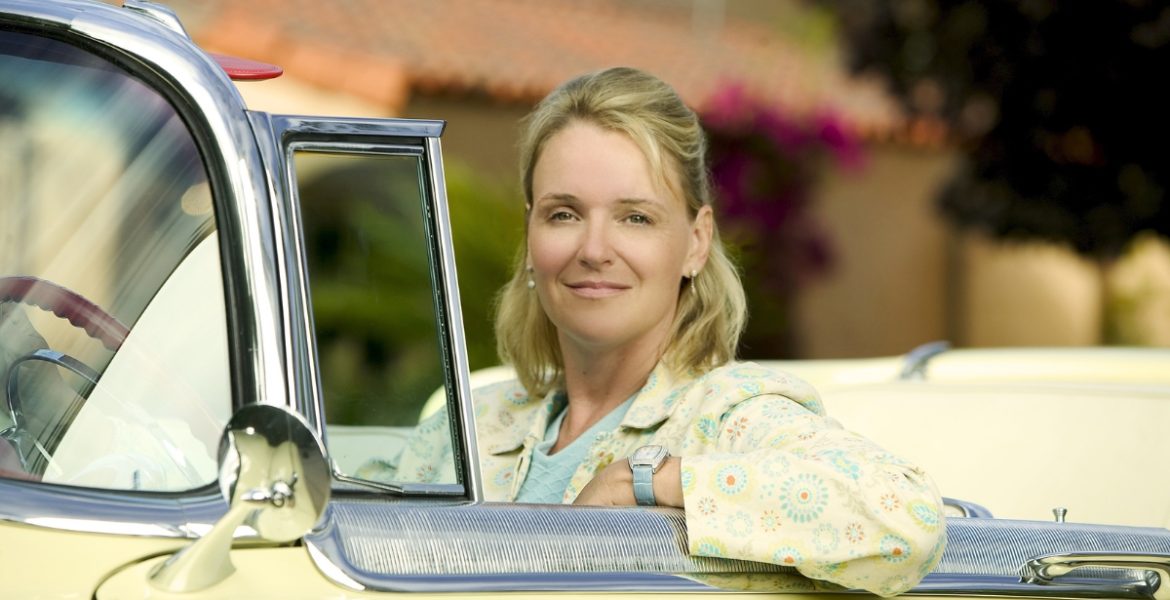
This month marks a significant turning point for the Pebble Beach Concours d’Elegance, as Sandra Button officially steps down as Chairman, and Vince Finaldi formally assumes the role. But titles, of course, are the last thing that defines a legacy.
In my opinion, the real mark of genuine impact goes far beyond a prestigious job title, a position of power, or even global recognition. It’s based on the foundation of your character, the positive influence you create in the world around you, and the mission you’ve committed to throughout your life and career.
For forty years, Sandra Button devoted her career to leading and growing what is arguably the most prestigious automotive event on earth. Over the course of that time, she helped the Concours evolve into a global institution that has since become the very foundation upon which Monterey Car Week was born.
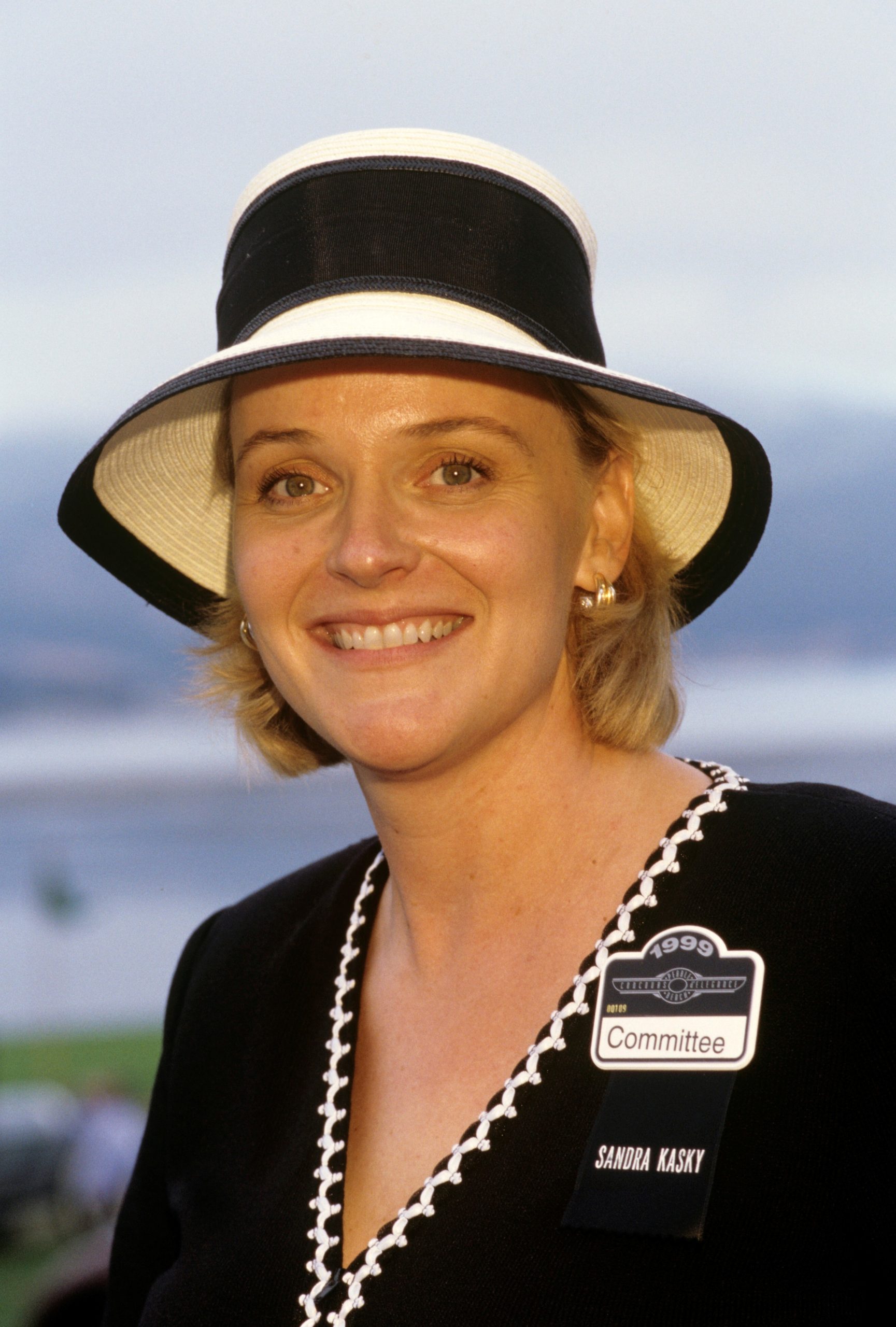
Leading the organization (a small but mighty team of industrious, dedicated employees), she helped turn a one-day exhibit into a week of events that culminates in the grand finale on the famed fairway of the Pebble Beach Golf Links. But she’s done so much more than just become an icon in the automotive industry. As I’ve learned, her background shows she’s an adventurer at heart, as passionate about beautiful cars as she is about people.
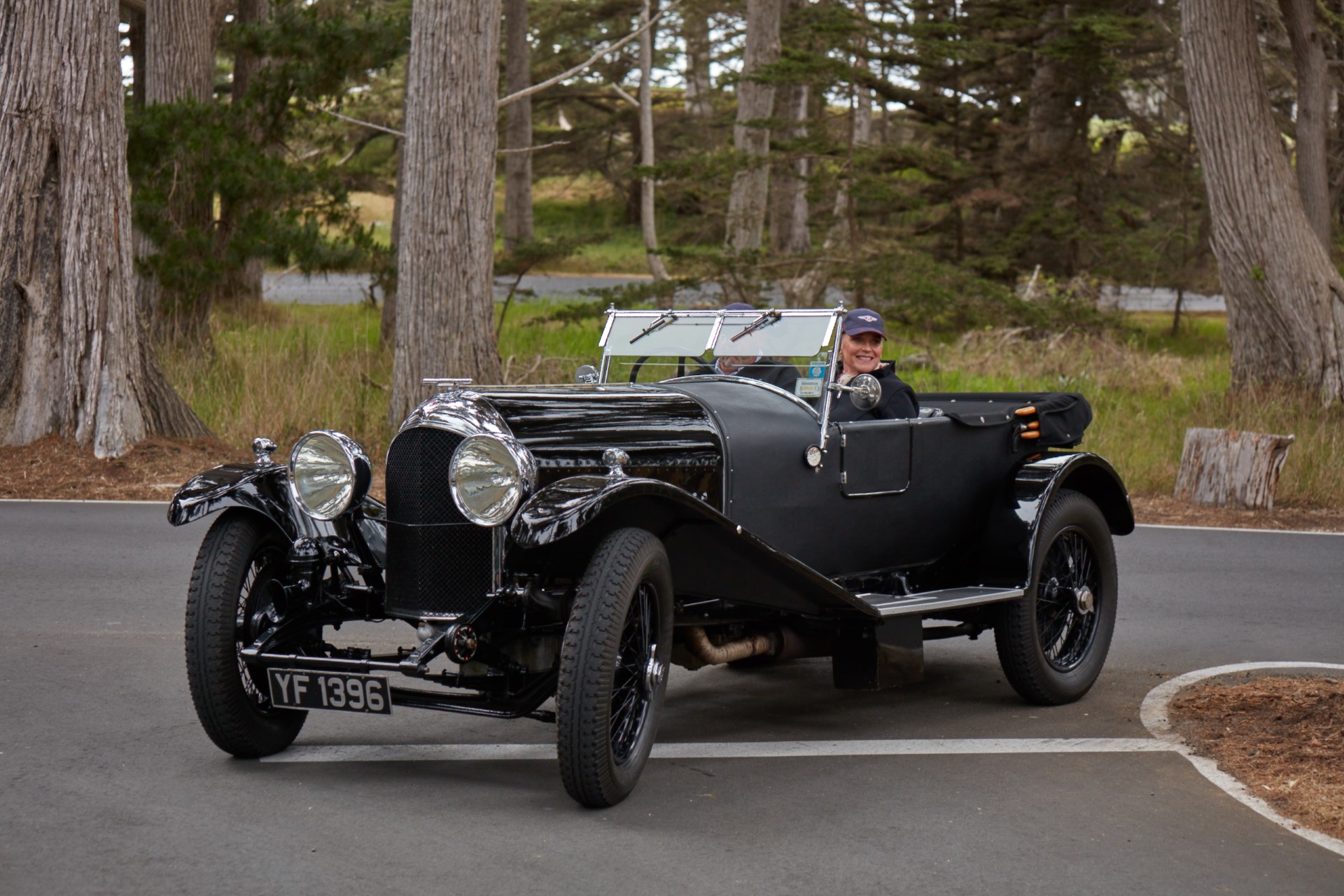
She drove a Bugatti Veyron alone through France, competed in the Mille Miglia, and crossed six continents behind the wheel. And through all of it, she never lost sight of the principle she discovered on the very first day she set foot on that 18th fairway: that the cars matter, but the people matter more.
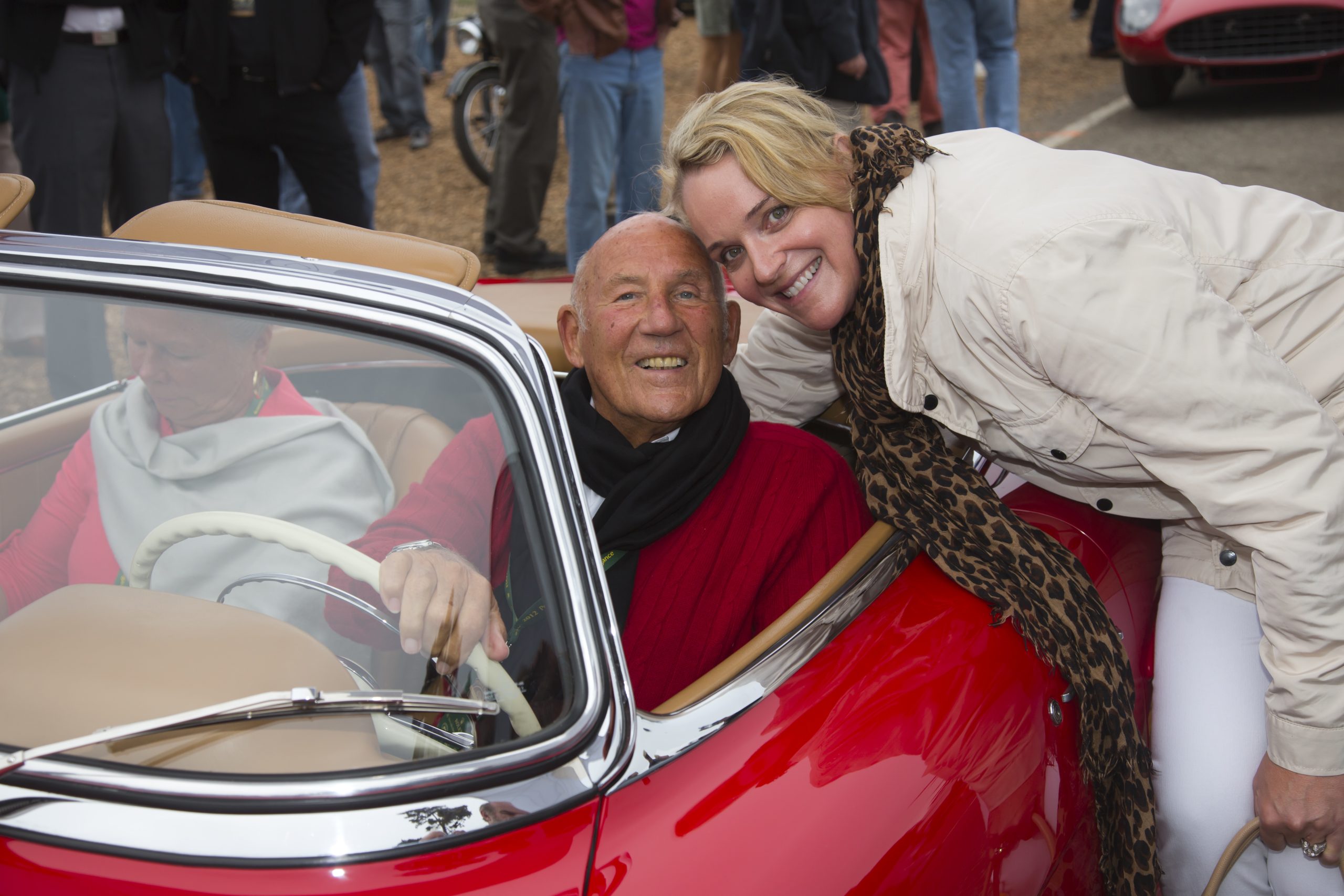
For decades, we’d say hello before heading into our respective offices (as the Concours HQ is up the hallway from my family’s office), but we had never had the time to do an in-depth Q&A until now. I’ve always admired her quiet tenacity, her resilience and strength, and her determined spirit. Having attended Concours d’Elegance since childhood and having covered Monterey Car Week as a journalist for over a decade, it brings me great honor to spotlight her in today’s tribute.
Sandra Button grew up in Seattle, Washington, where, as a teenager, she fell in love with the freedom that cars represented. Her first love was a Mustang. She went on to study at Washington State University before eventually finding her way to the Monterey Peninsula, where in 1986 she was hired to organize dog shows, polo matches, golf events, and prize-giving dinners at Pebble Beach. She had no idea that a single Sunday car show would change the course of her life.
By 1991, she had created the role of Executive Director (the first full-time steward the Concours had ever had) and submitted a plan to fill it herself. That plan was accepted. In 2002, she joined Glenn Mounger as co-chairman, and in 2005, she took on the position of sole Chairman, a role she has held ever since. In between, she built the Pebble Beach Tour d’Elegance, RetroAuto, the Classic Car Forum, and a charitable giving program that, as of this year, has surpassed $50 million in donations to Monterey County nonprofits. She’s a collector herself, with a personal garage of nearly 30 cars, and she’s competed in rallies on six continents, on top of that.
From head designers and automotive executives to car collectors, everyone knows her name, and they all respect the massive impact her life’s work has created. She’s become one of the most consequential figures in the history of the global automotive world, to put it frankly. But if you ask her what she’s most proud of – she’ll tell you it’s the people.
CLP: You arrived at Pebble Beach in the mid-1980s to organize dog shows, polo matches, golf events and prize-giving dinners, and you stayed for 40 years to build the world’s most prestigious automotive event. Was there a specific moment when you knew this was your life’s work?
SB: “From the moment I first viewed it, the Pebble Beach Concours d’Elegance made a distinct impression on me. The competitive aspect was clear from the air of tension intermixed with anticipation and excitement, but the atmosphere was calm and genteel; music was playing, and the camaraderie and community were evident. Power and beauty were everywhere — in the setting, in the cars, in the rank and station and elegance of the people gathered there. And I knew immediately that I wanted to be a part of it.
At that same event, Maryalice Ritzmann, a powerhouse PR person with Mercedes-Benz, invited me to meet racing great Juan Manuel Fangio, stressing that while the cars are important, you need to make the time to meet the people behind them. People create and care for and race the cars — and a concours is an event where people come together to share and celebrate great cars.
Soon after, I began to dream about how I might better support the event and work to improve it, and somewhere along the way, that became my focus. I submitted a plan to become the Executive Director of the event, and that plan was accepted. Lorin Tryon and Jules Heumann served as early mentors, and Don Williams, Glenn Mounger and many others guided me along the way. Glenn brought me alongside him as Co-Chairman, and when he stepped down, I continued on in that role.”
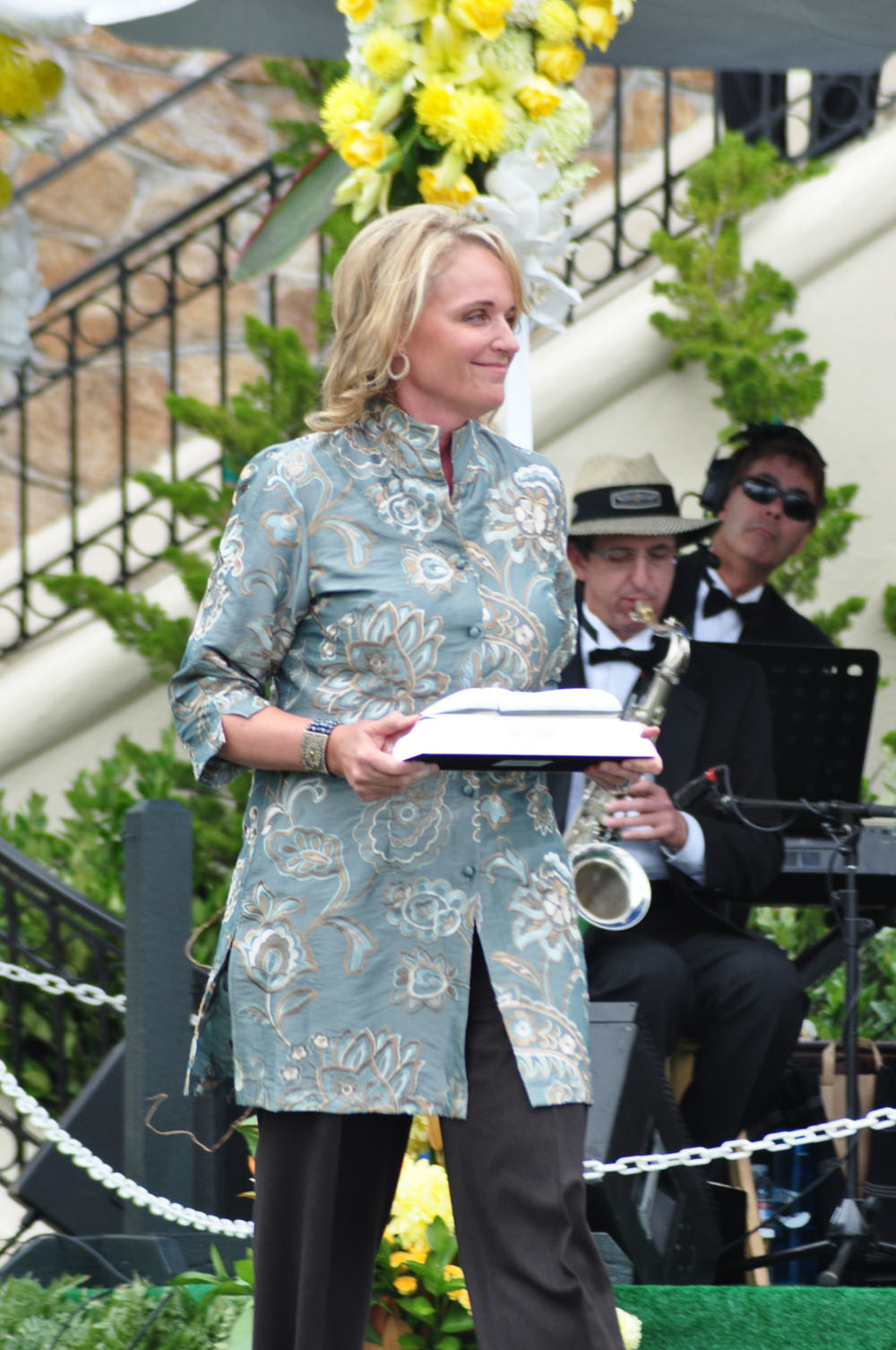
CLP: In 1991, you became the first full-time Executive Director of the Concours — a role you essentially created. What did you have to do to convince leadership that this event deserved its own dedicated steward, and what would have happened if you hadn’t made that case?
SB: “The Concours clearly needed — in fact, it almost demanded — attention on a full-time basis twelve months of the year. I made the case for it, and I asked to oversee it.
The event requires long-term planning. Exhibits often take 18 to 24 months to come together, or more — and we need to be able to put them in their best light, with proper signage, a program explaining them, a thoughtful field layout, a fitting awards show. We also needed to better plan for all the people who come together to celebrate the cars, providing the facilities they needed, the related events and venues that would draw them together as a community, with time and space to get to know each other, to share what they love and what they know.”
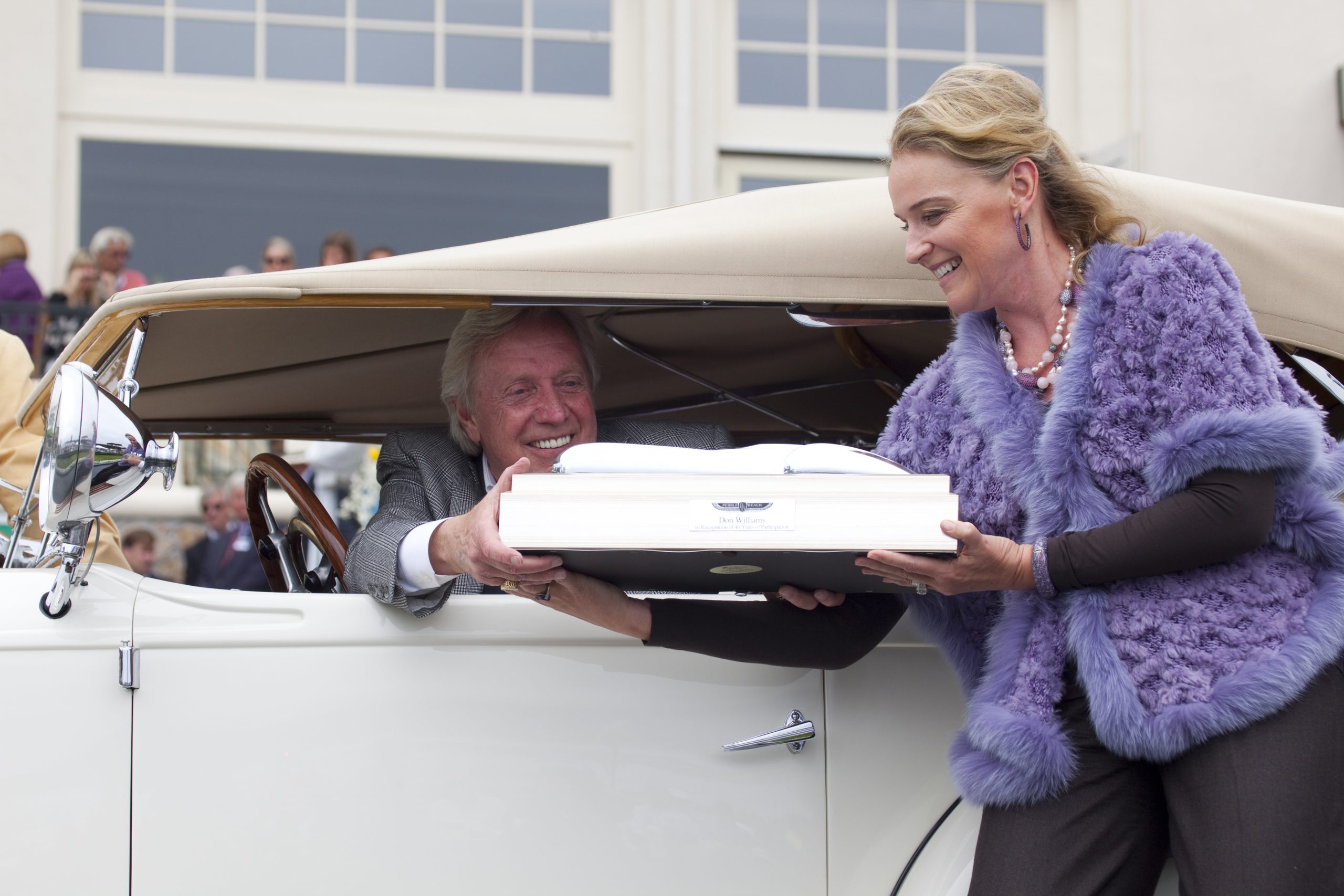
CLP: You have led this institution for four decades in a world that has always been (and largely remains) male-dominated. What did it actually take to command authority, earn respect, and build lasting relationships in that environment?
SB: “Initially it was a matter of hard work; I had to prove myself. And then I had to give people time to recognize my knowledge and expertise.
Along the way I learned to trust my instincts and build on my strengths, and that’s not easy.
Many ‘car guys’ come at cars from a mechanical aspect, but that is not the only way to love cars. I love cars for their beauty, their strength, the fact that they are often steeped in history, their ability to transport me around the world, and for the community they bring. I think the car world is slowly coming around to that realization. Cars are increasingly built with women in mind. There are new programs to funnel women into racing. There are tours and rallies for women. And there is certainly more room for women in the Concours world.”
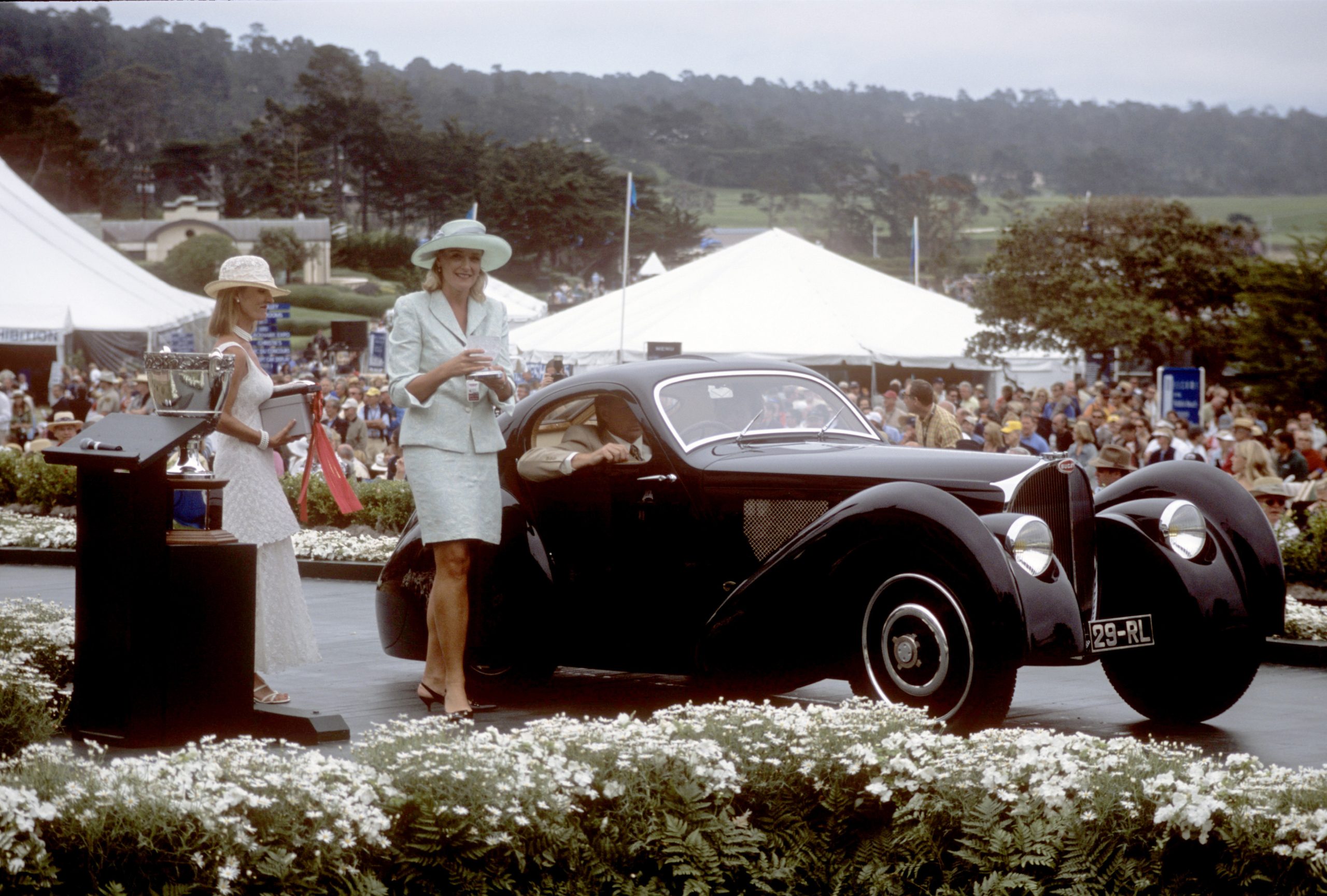
CLP: The Concours you inherited was beloved but regional. The Concours you are handing over is a weeklong global automotive summit. What were the two or three pivotal decisions that drove that transformation?
SB: “In all honesty, the Pebble Beach Concours was already in the midst of the transformation from regional to international event when I first joined it. Just before I started at Pebble Beach, the Concours showcased all six of the Bugatti Royales — the first time they were ever together — and they came from around the country and Europe. Two required grants of diplomatic immunity while on US soil. That gathering drew international interest. In the years since, we’ve done everything we can to build on that.
Gatherings of interesting groupings of cars have become a hallmark of this event, and we often have a related designer or racing great on hand to greet them. I think such groupings also make the Concours much more interesting, bringing forward things that haven’t been seen before or seen together. We consciously try to push the envelope a bit each year with new features and special displays.
This flexibility also allows us to quickly mirror changes that are happening and new interests that are emerging in the enthusiast community. We are and always have been enthusiast-driven. The Pebble Beach Concours is not driven from the top — it is driven by the community.”
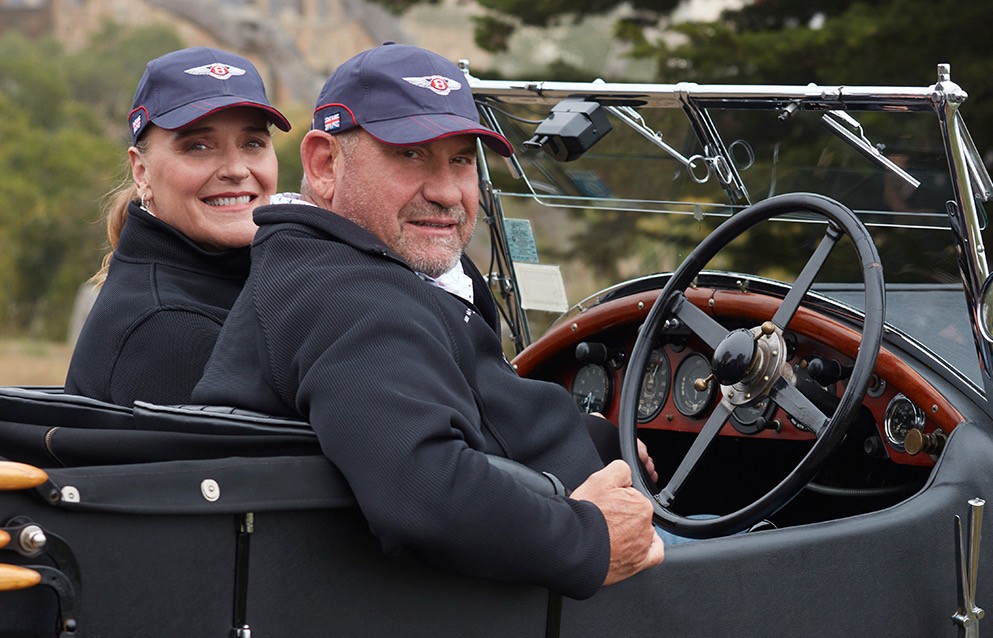
CLP: You created the Pebble Beach Tour d’Elegance, RetroAuto, the Motoring Classic, and the Classic Car Forums — essentially building an entire week around a single Sunday event. Where did that vision come from, and what were some of the challenges you had to overcome?
SB: “The vision stems in large part from the desire to be the best possible host to car enthusiasts coming here from around the world. I’ve also very consciously sought to focus on building a community — recognizing and celebrating not only the cars but the people who love them. To do that well, we have needed to offer a variety of ways for people to meet and get to know each other.
Some of the growth in specific car-related events, such as the addition of the first Pebble Beach Auction in 1990, tied into specific needs or desires. As collectors gathered here to share their cars, some naturally want to buy or sell or trade them. Other events stem from things we felt we needed to stress. The Pebble Beach Tour, for example, was instituted in part to stress that cars are meant to be driven. Some entrants were more than a bit hesitant to put their beauties on the road, so we gave them an incentive, integrating the Tour into our Concours judging system.”
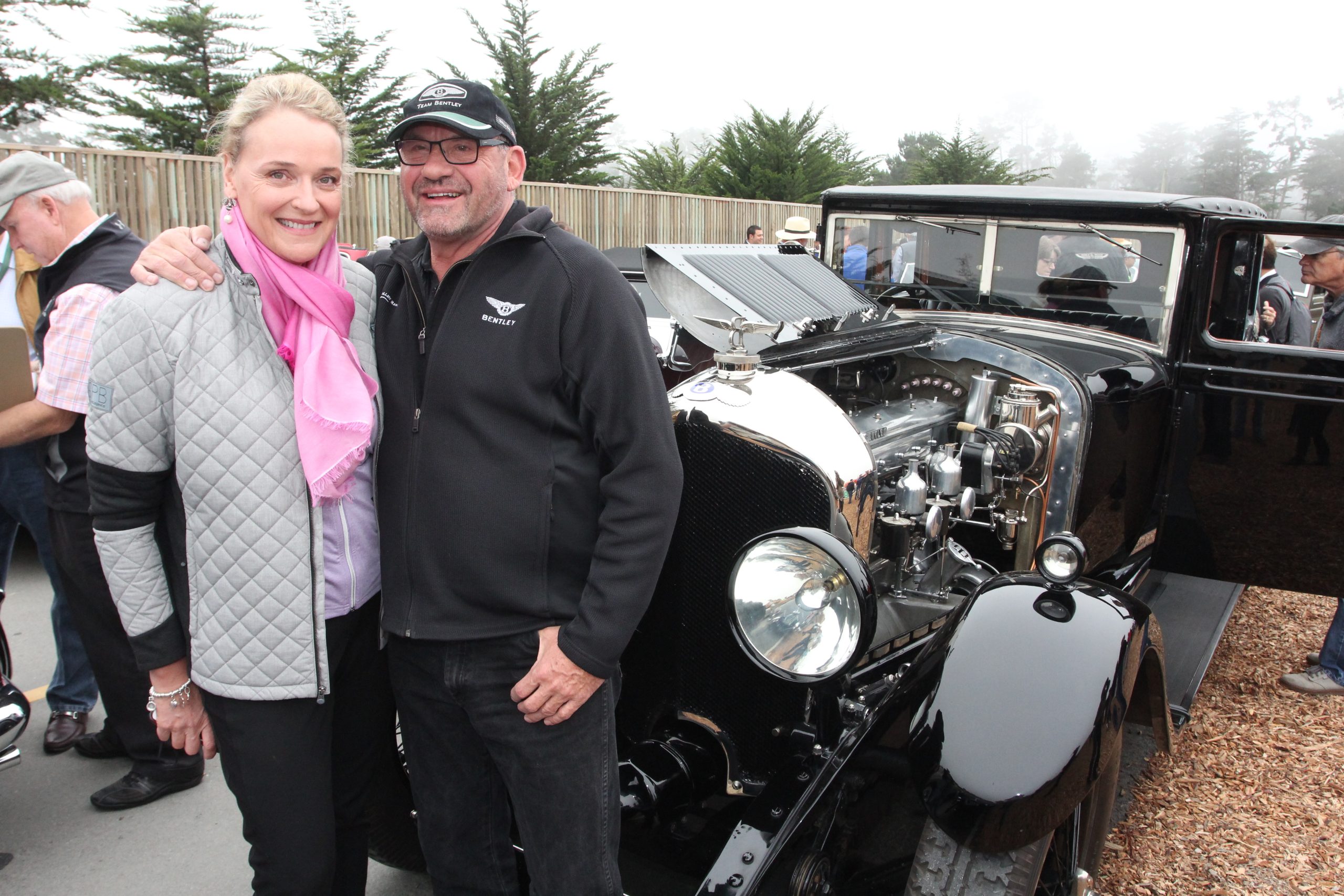
CLP: You have driven a Bugatti Veyron alone through France, competed in the Mille Miglia, and participated in rallies across six continents — all while running this event. How has being in the driver’s seat yourself shaped the way you curate what appears on the lawn?
SB: “As a teenager, I fell in love with cars for the freedom they offered; they could take me where I wanted to go. And they still do! Cars serve as a passport of sorts, enabling me to travel the world, meeting other people who love cars wherever they are. I can be anywhere in the world on any weekend of the year and connect with car people.
Cars draw us together. Cars have built a community that crosses all borders. The reverse is also true: it is that worldwide community of car lovers that brings all of the great cars to us. Cars don’t get here by themselves!
Sharing my passion around the world has helped ignite a passion for cars in others. And I’ve been fortunate enough to work with enthusiasts around the world, helping to initiate, guide and support new concours events. Now they often share their cars with us. So traveling to be with other enthusiasts is important. A growing car community strengthens our Concours. Amidst all of this travel, there is something pure and joyful about the act of driving itself, being on the road, feeling and hearing the push of the engine — I’m an analog fan — and seeing all there is to see.”
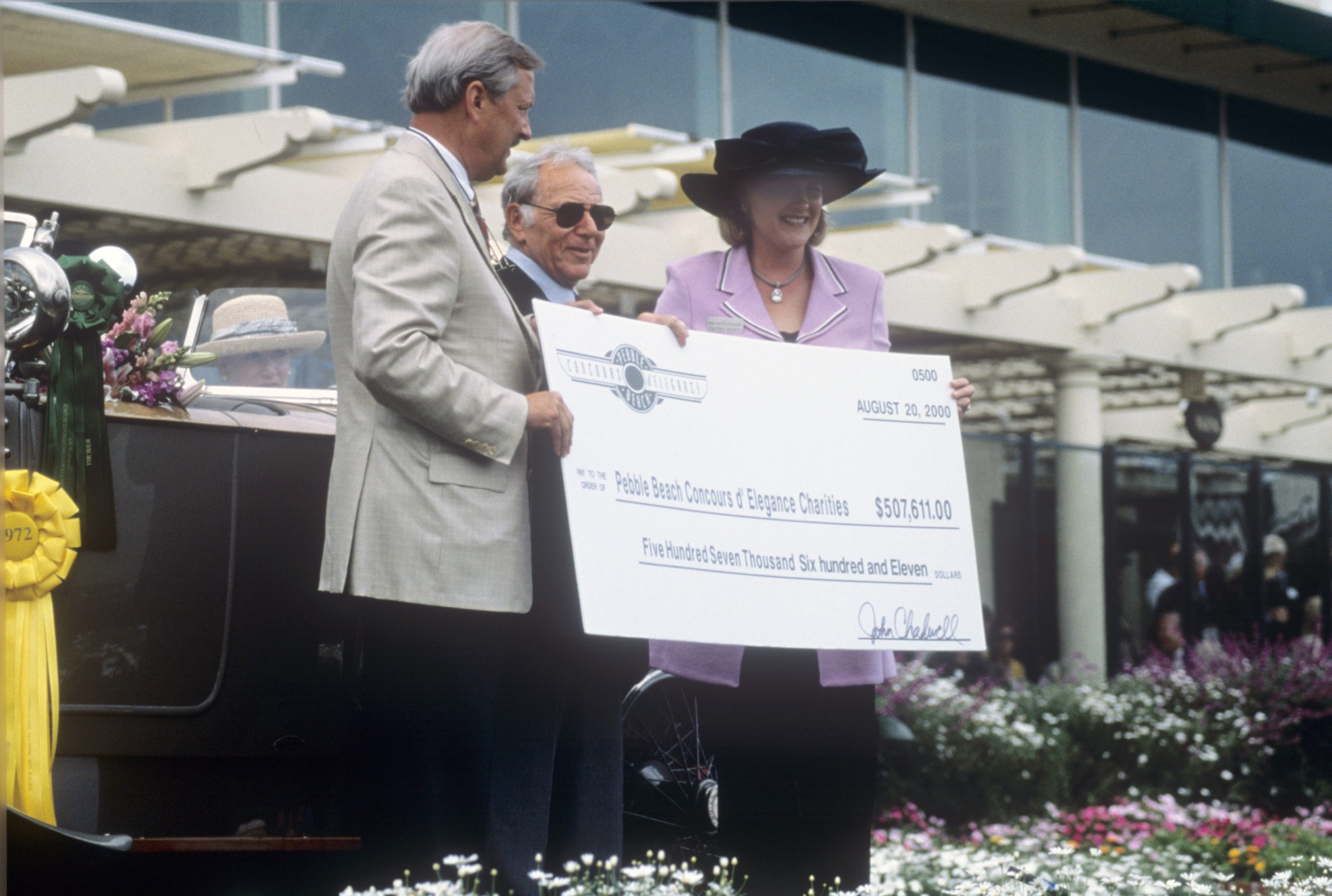
CLP: The Concours has raised over $50 million for charity across its history. How intentional was the philanthropic mission from the beginning, and how did it evolve under your leadership?
SB: “The Concours has had a giving component from the very beginning, of course, but more than half of our charity total has come in the past ten years. I’ve been very proud of the way the car community has come together to increase our charitable giving, funding many local nonprofits focused on the health, education, and well-being of children here in Monterey County while also supporting several automotive education programs training the automotive leaders of tomorrow.
I have done all I can to encourage that increase. I know how much this event draws upon resources and volunteers from the local community, and I believe that it is important to give back to that community as much as possible. Our entrants and judges understand that; they come from around the world and join with us to support this community. They also understand the need to support students of the automotive arts — students who will care for the cars we love long into the future. A portion of our giving goes out as scholarships to those students. The Pebble Beach Company Foundation was founded in the early 1990s, and it now serves as our primary charitable partner, distributing our charitable dollars to more than 120 local charities, ensuring those dollars do the most possible good.”
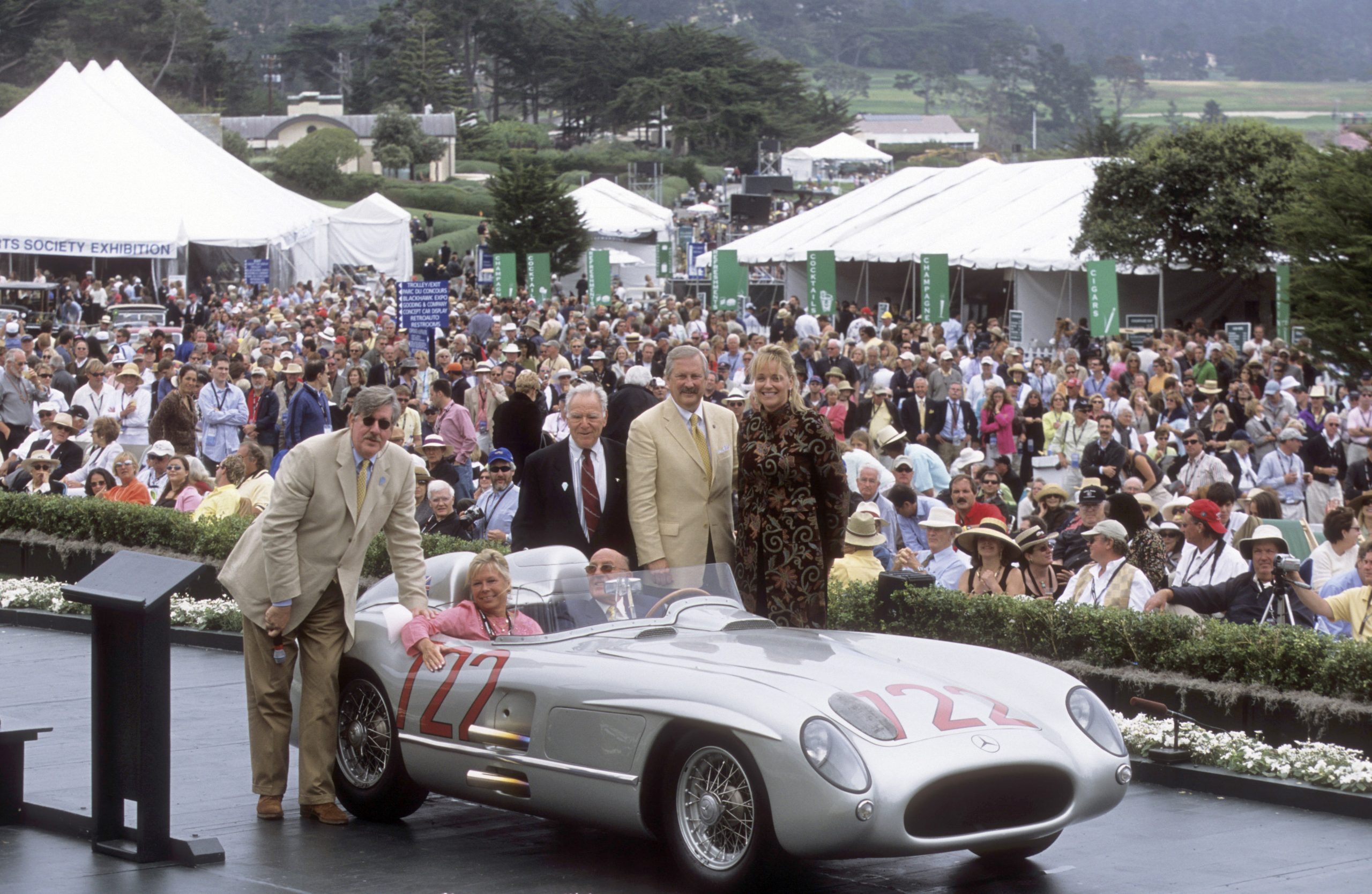
CLP: You have said the event may have ‘moved too gingerly at times,’ and yet you also welcomed electric cars, hot rods, and preservation classes when the traditional establishment might have resisted. How do you think about the tension between honoring tradition and staying relevant?
SB: “I try to remember that tradition and change are two sides of the same coin. When you institute something new and people like it, and then you repeat it, it becomes tradition. But you can’t rest on tradition alone, particularly not for long. You need to be constantly evolving, constantly trying new things, establishing new traditions.
Will there be tension and angst along the way? Yes. That’s unavoidable. But you can’t always predict where that tension will come from. For example, we’ve found that some of our oldest judges are most likely to vote for newer cars and some of our youngest judges are the most likely to vote for older cars. That’s the opposite of what most people would expect.”
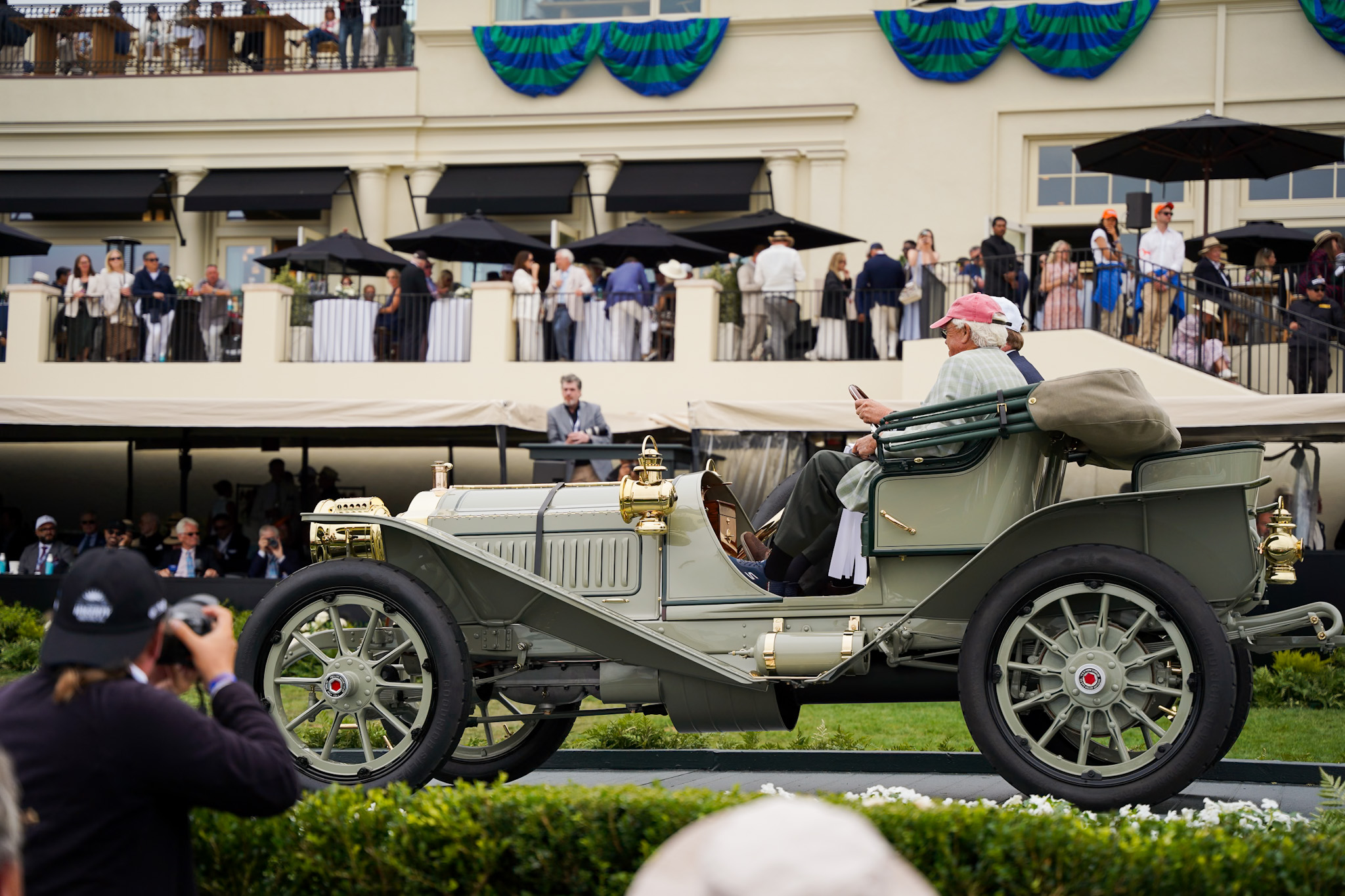
CLP: The 75th Anniversary is your final year at the helm before transitioning to Global Brand Ambassador and Strategic Advisor. You’ve called it perhaps the most important year. What do you most want people to feel when they walk off that lawn on August 16th?
SB: “I hope they feel that we’ve done right by the cars, and their love of cars has expanded. I also hope they feel more connected to the community of car people near and far. I hope they’ve seen some cars that are new to them, and they’ve met some new friends.”
CLP: For any woman who loves cars, but might feel intimidated trying to become a part of this industry — what would you tell her?
SB: “Remember that this passion knows no gender. A car doesn’t know the gender of its owner or driver. So don’t give up on your passions or your dreams. Find a way to do what you love as you make your way through life.”
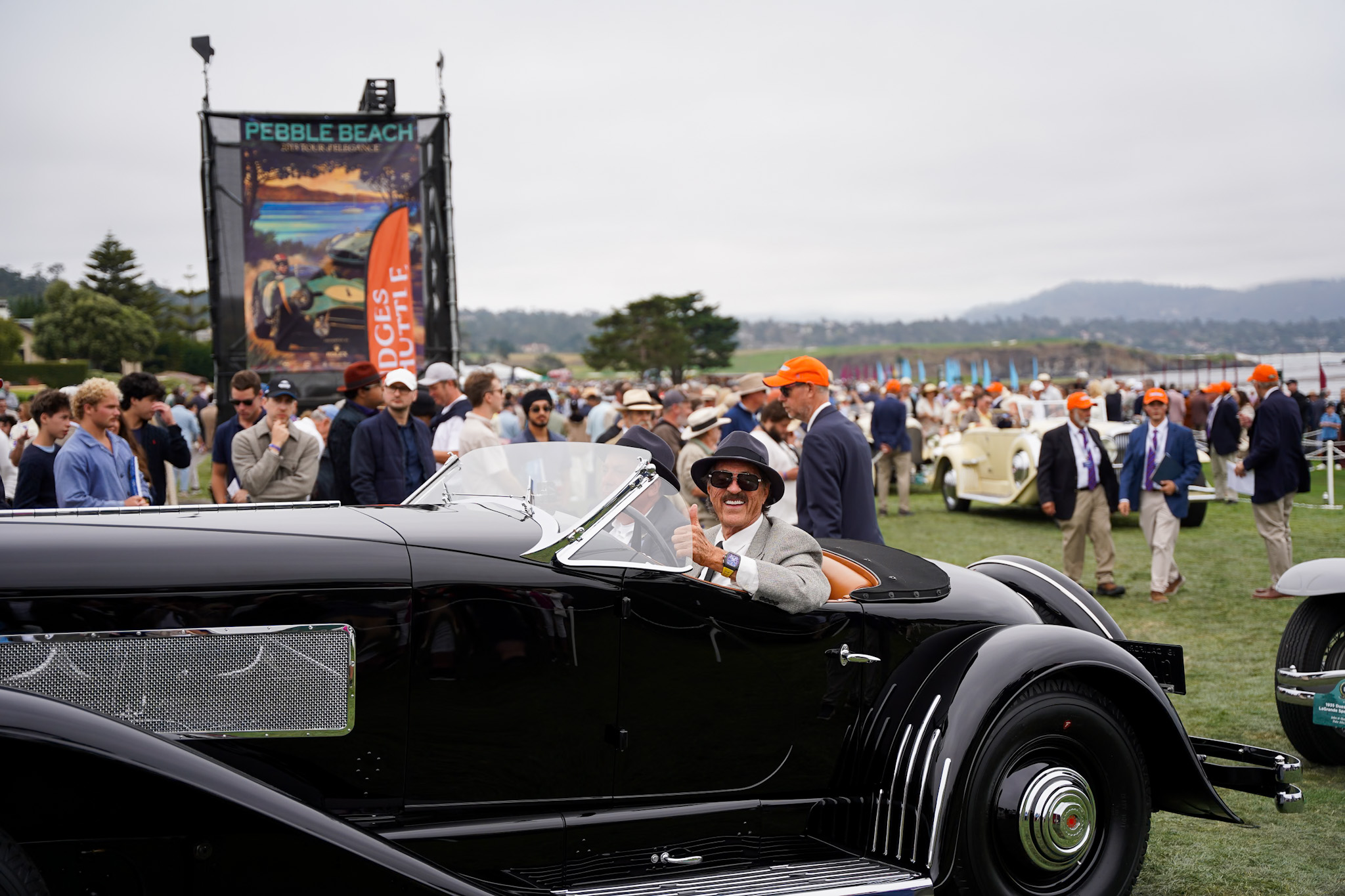
Pebble Beach Company CEO David Stivers put it plainly in this week’s announcement: “Pebble Beach Concours d’Elegance has been fortunate to have incredible leaders throughout its history including, notably, its most recent Chairman, Sandra Button. Those leaders have shaped and evolved this event considerably since its founding seventy-five years ago.”
Sandra Button’s visionary leadership, commitment, and stewardship have not only helped Concours d’Elegance become the magnificent, globally renowned event that it is, but she’s also helped turn it into one of the most significant driving forces behind charitable donations that Monterey County has ever seen, distributing funds through the Pebble Beach Company Foundation to approximately 100 regional youth and education nonprofits.
As Sir Henry Royce famously said, “Strive for perfection in everything you do. Take the best that exists and make it better. When it does not exist, design it.”
As evidenced by her illustrious career, the massive impact she’s had on both the organization and the community, and the cultural phenomenon she’s helped steer towards success, to me, that is the very definition of leaving a lasting legacy.
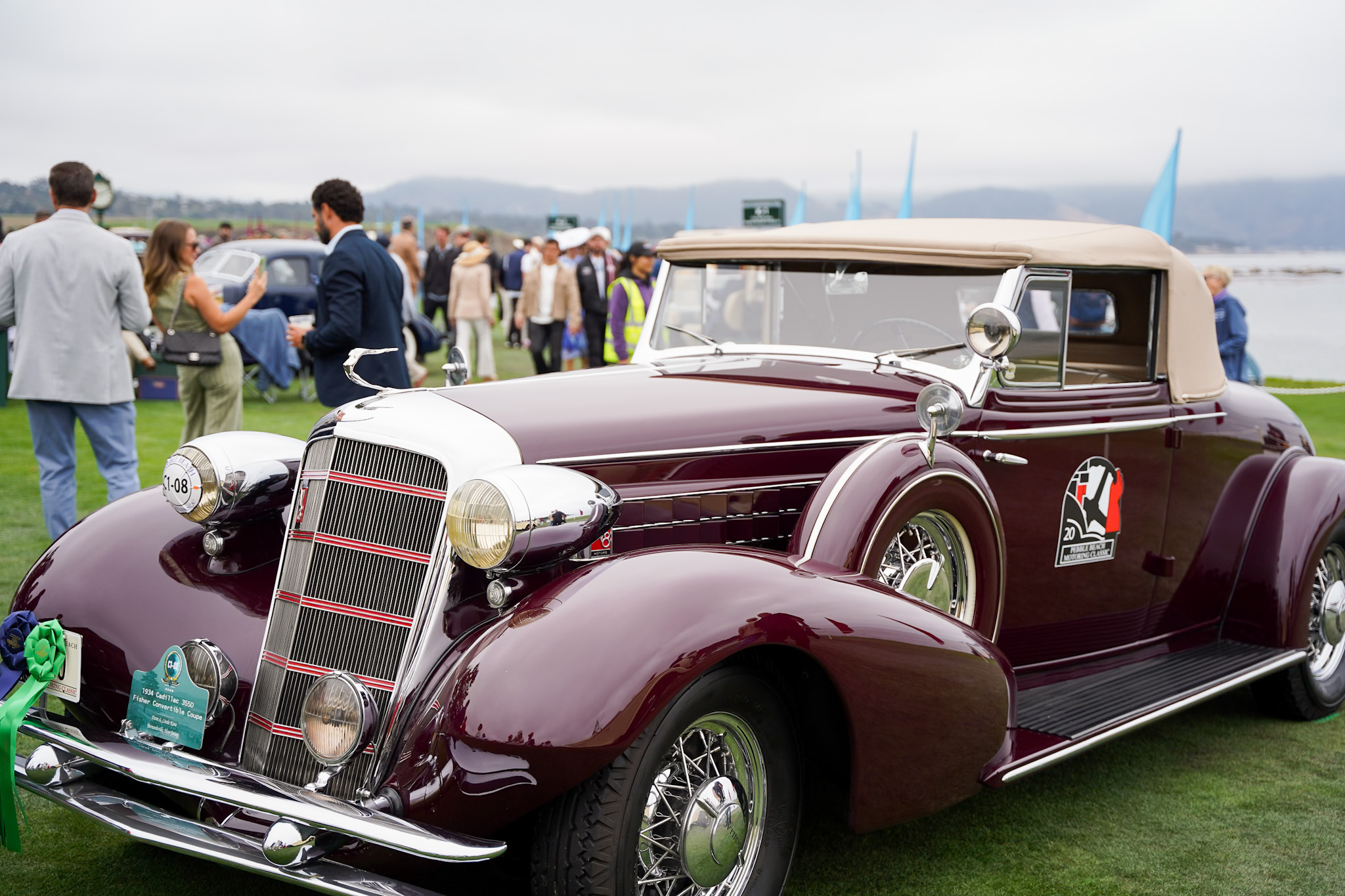
[Media access c/o Pebble Beach Concours d’Elegance. Header image credit: Mark Estes/Pebble Beach Concours d’Elegance. Article image credits: Christina-Lauren Pollack for Inspirations & Celebrations; Bob Brown, Doug Sandberg, Kimball Studios, and Mark Estates for Pebble Beach Concours d’Elegance. All opinions are my own.]