
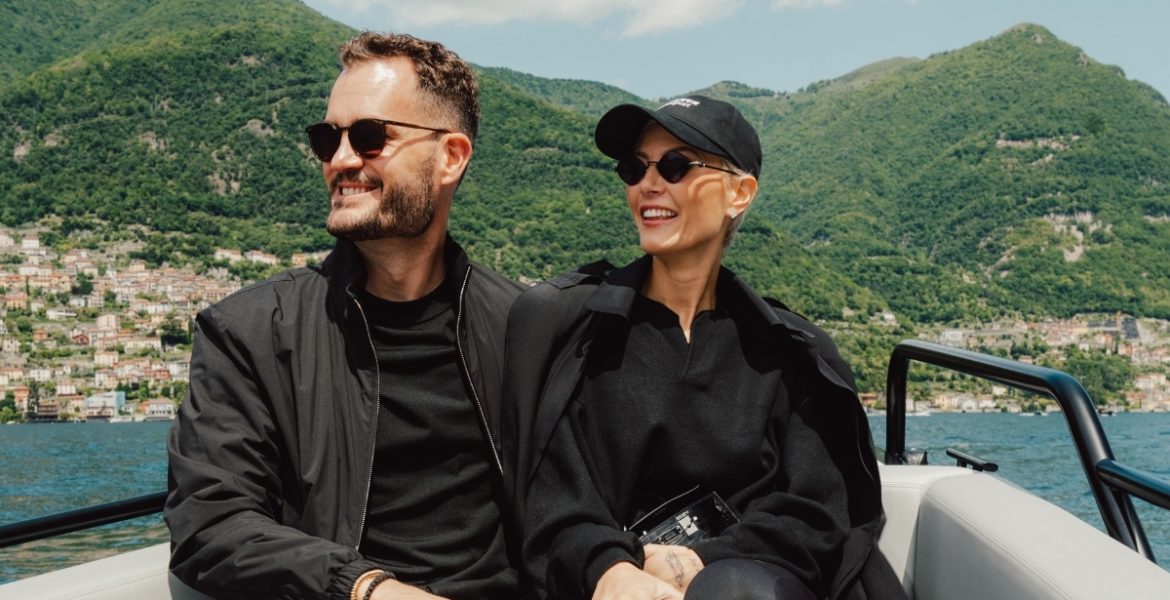
As Maya Angelou said, “If you’re going to live, leave a legacy. Make a mark on the world that can’t be erased.” When it comes to building 50-year-old family businesses, the Founder’s vision, passion, and dedication act as the foundation upon which legacies are built. But it’s the responsibility that lies in the hands of future generations, as they carry the Founder’s dream forward, despite having to manage the weight and pressure of that honor.
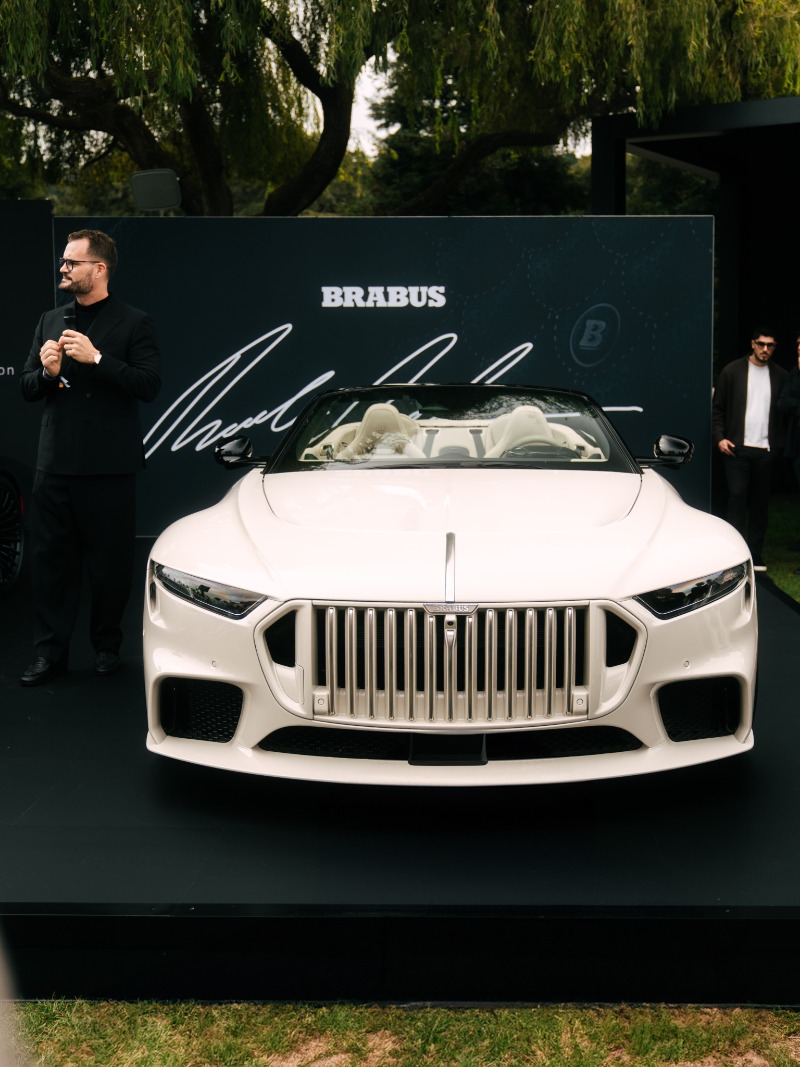
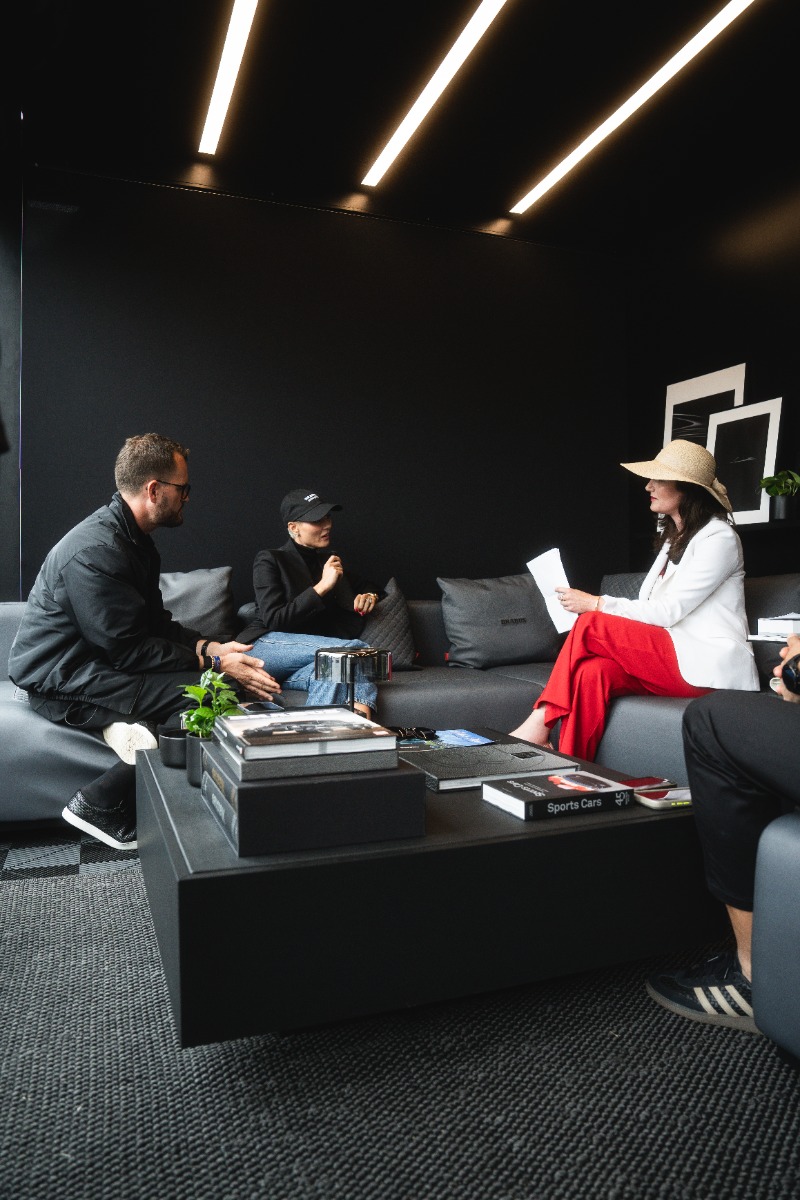
A few weeks ago during Pebble Beach Concours d’Elegance, I was invited to sit down with BRABUS CEO Constantin Buschmann and Creative Director Mili Umicevic to discuss the launch of the BRABUS BODO. But what unfolded over the next hour was something more than any of us expected – and like my late Father used to say, “This wasn’t just a meeting. It was a meeting of the minds”.
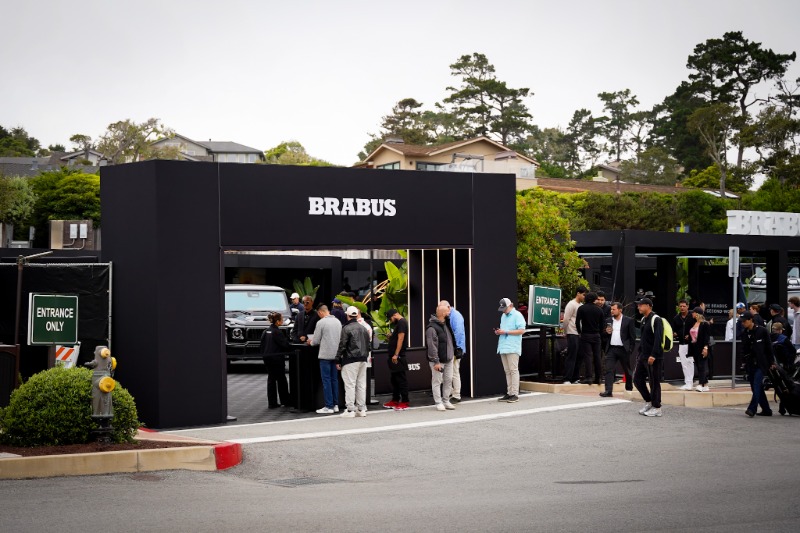
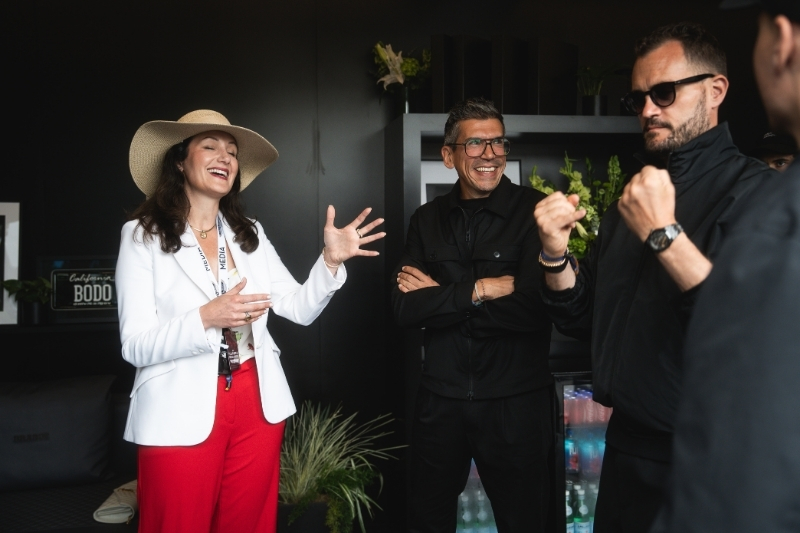
It all started with a joke, as I walked into a tinted-windowed, darkly decorated private room within the BRABUS brand activation at The Lodge at Pebble Beach. Upon meeting Constantin and his team (all of whom were dressed head-to-toe in black), the first thing I said was, “This feels like a VIP room at a cool nightclub. You guys even look like bouncers. Thank God I’m on the list!”
It’s a good thing my icebreaker lightened the mood, as I knew we were headed into a deep conversation about legacy, lineage, and building a global empire.
To begin with, BRABUS was started nearly five decades ago by Constantin’s father, Bodo Buschmann. While most founders’ stories begin in a basement or in business school, Bodo’s company was inspired by his own enjoyment of fast luxury cars, a passion that turned into a business, nearly by chance.
There’s an old photograph that Constantin says embodies what BRABUS is all about. It’s of his father, behind the wheel of a BRABUS-built Mercedes SL R129 Roadster, a 7.3-liter V12 under the hood, the top down, wind in his hair, sunglasses on, tearing down the Autobahn near their headquarters in Bottrop, Germany. Today, Constantin calls it the most important photograph the company owns.
“It’s the feeling that you get when you drive a car. That’s it,” Constantin said. “The whole vibe of this picture is the absolute essence of BRABUS. It is why he started the business.”
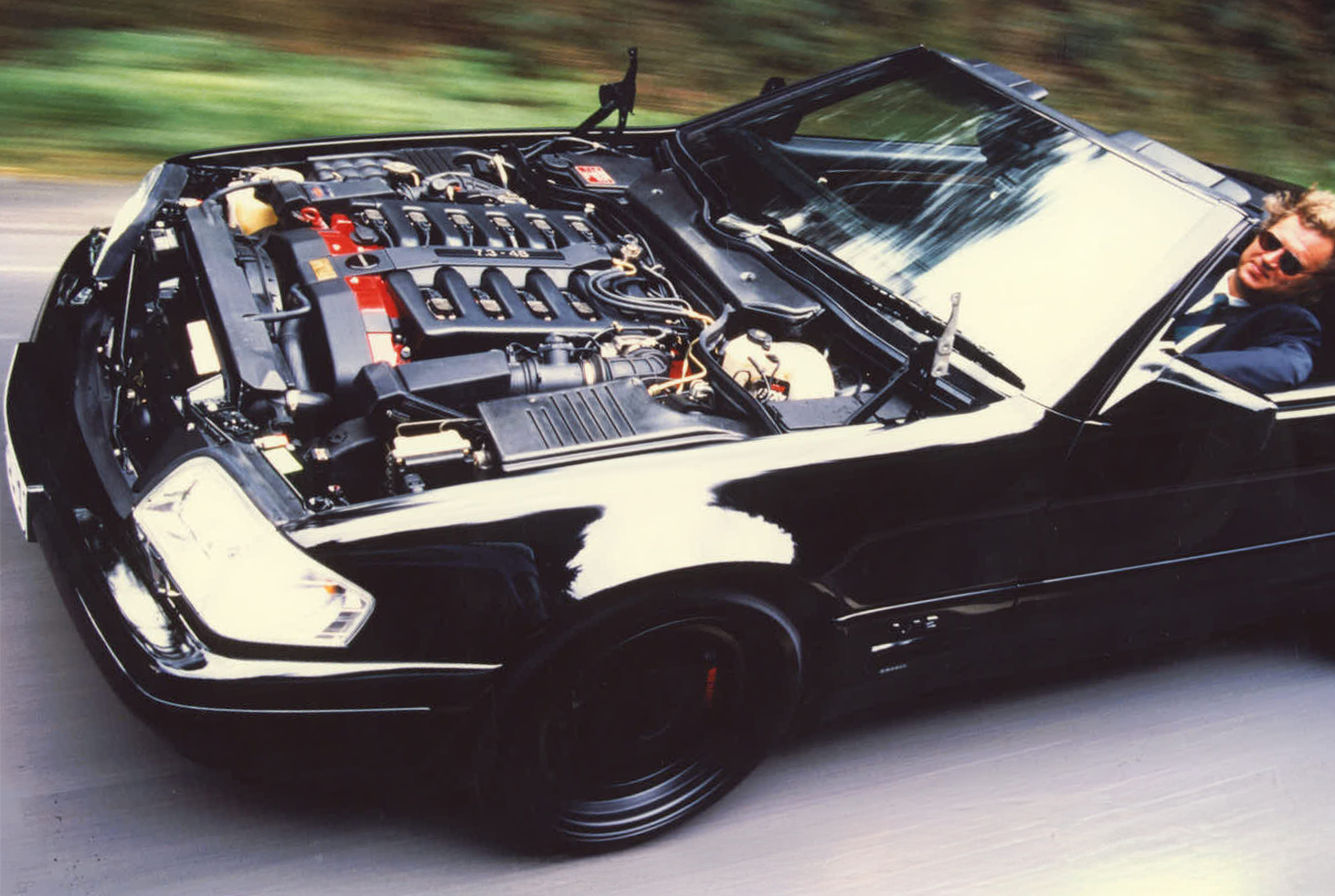
That photograph is, in a very real sense, the design brief for the BRABUS BODO, the car Constantin built to carry his father’s dream forward after Bodo passed away suddenly in 2018. Taking over a company nearly fifty years in the making, one his father built from nothing and ran with total conviction, is its own kind of inheritance, equal parts honor and weight. It’s also the emotional center of a conversation that ranged from a Mercedes dealership in the 1970s to a private island off Abu Dhabi, from a peach-colored Range Rover that nearly caused a civil war inside the company to the particular pressure and unity of building something enormous with the person you love.
What follows is a condensed, edited version of a much longer conversation, one that, unbeknownst to me until that day, was also being filmed for their own Amazon Prime docuseries, BRABUS: One Second Wow.
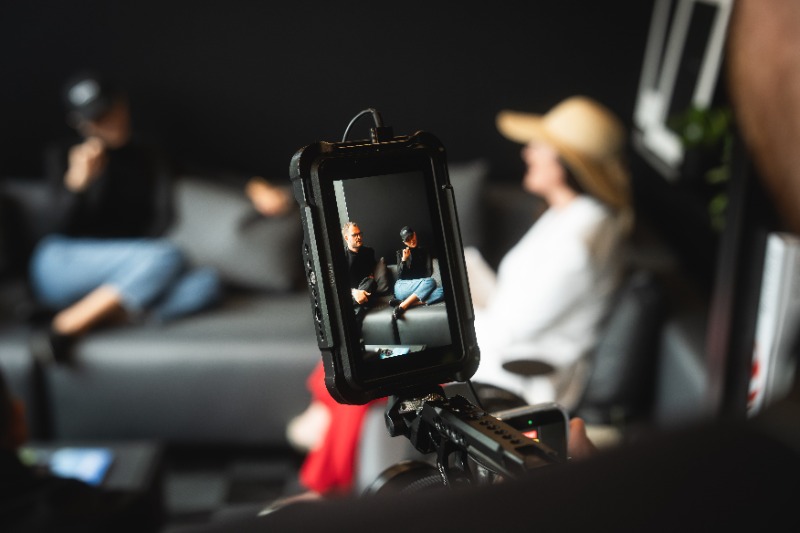
CLP: Brabus started as a Mercedes tuning company nearly 50 years ago, and the origin story behind it is one of my favorites in the industry. Your father was told he couldn’t park his own car at the family dealership unless it was a Mercedes, and instead of backing down, he built one that could outperform it, out of pure defiance. That kind of rebellion still feels baked into the brand today. How did that moment actually turn into a real company?
CB: “My grandfather had a car store; he sold anything with wheels, but he settled on Mercedes-Benz because in the ’50s, ’60s, and ’70s, that’s when Mercedes earned its reputation for quality. My father was a fan of sports cars, but he didn’t have access to the Porsches he wanted. He had access to Mercedes. So he started working on those instead.
Back then, even changing a steering wheel or a set of wheels and tires was considered borderline criminal by a lot of people, and honestly, some still think that way. But as in any business, either you do it, or you don’t. If you let the rest of the world judge you, you end up doing nothing. We still pay close attention to people who bring us honest, constructive feedback. We don’t pay attention to people who just want to be negative.
A clear brand identity and a clear self-image will always lead to some controversy. The clearer you communicate, the more specific your design gets, the more it attracts a certain audience and rejects another. That’s just the nature of things.
My dad started the company with a friend from university, which is actually where the name comes from: Brackmann and Buschmann, BRA-BUS. My dad bought back his partner’s shares about twelve weeks after founding the company. It started with wheels, then quickly moved into engines and interiors by the early ’80s, and it never stopped.”
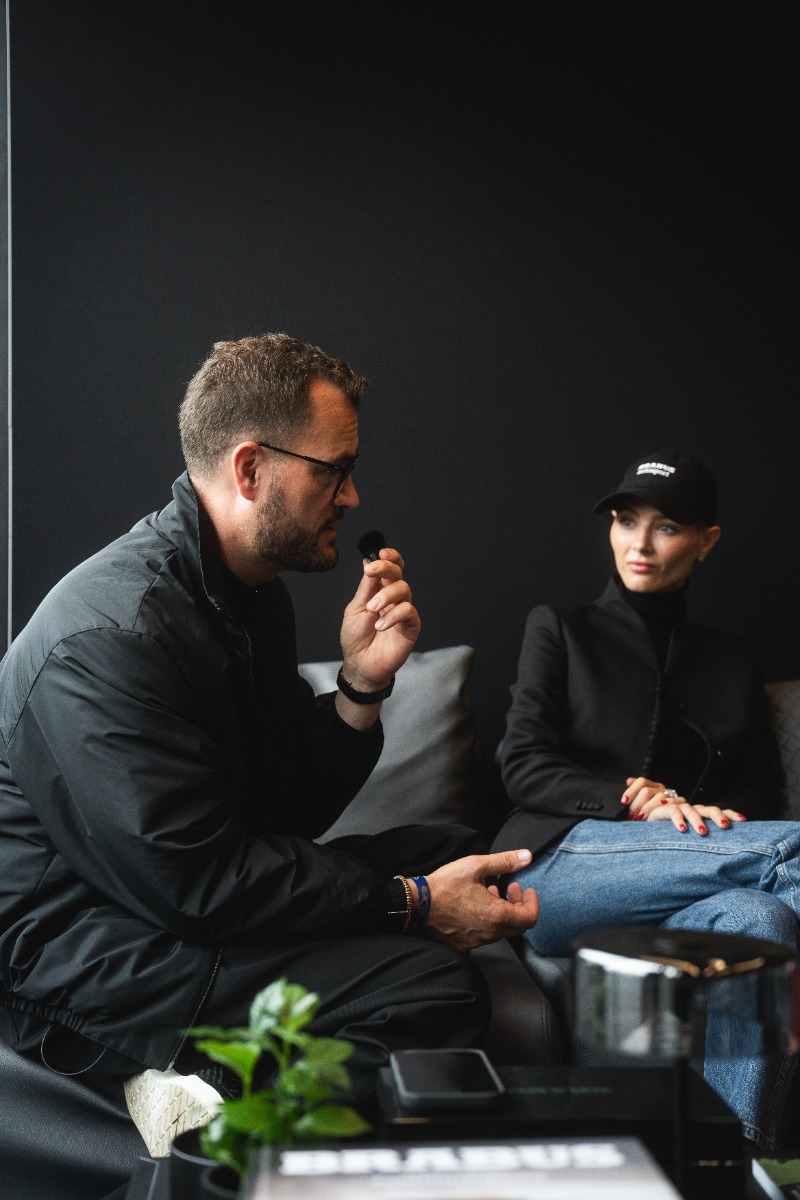
CLP: I want to share something before I ask this: I’m also a second-generation executive at my own family’s 50-year manufacturing company; still family-run, built by my own father, who I worked alongside for over twenty years. What was your working relationship with your father actually like, and how does what you absorbed from him show up in how you lead Brabus today?
CB: “He was Brabus. He wasn’t working at Brabus; he was the soul of it. One thing he told me, not long before he passed, was: “You have to be customer number one.” Not spend all your money on luxury, but live in the world your customers live in, feel what they feel, understand what it means to them to buy one of these cars.
He was incredibly detail-oriented, hugely passionate, and, in the classic sense of a 1960s and ’70s German patriarch, very tough, very old-school, always pushing forward. That pushing eventually became the thing I worried about. He lived himself to death, honestly. There are people who put the pedal to the metal and forget the brake exists, and there are people who rip the brake pedal out entirely and throw it out the window doing full speed. That was him, at a certain stage of his life. So now, we’re deliberately building a team around us whose job is managing our energy; sometimes that means setting boundaries between us and the business, because we need to sleep, or rest, or actually take a week off. We don’t have that built in naturally, and neither of us wants to repeat his mistake.
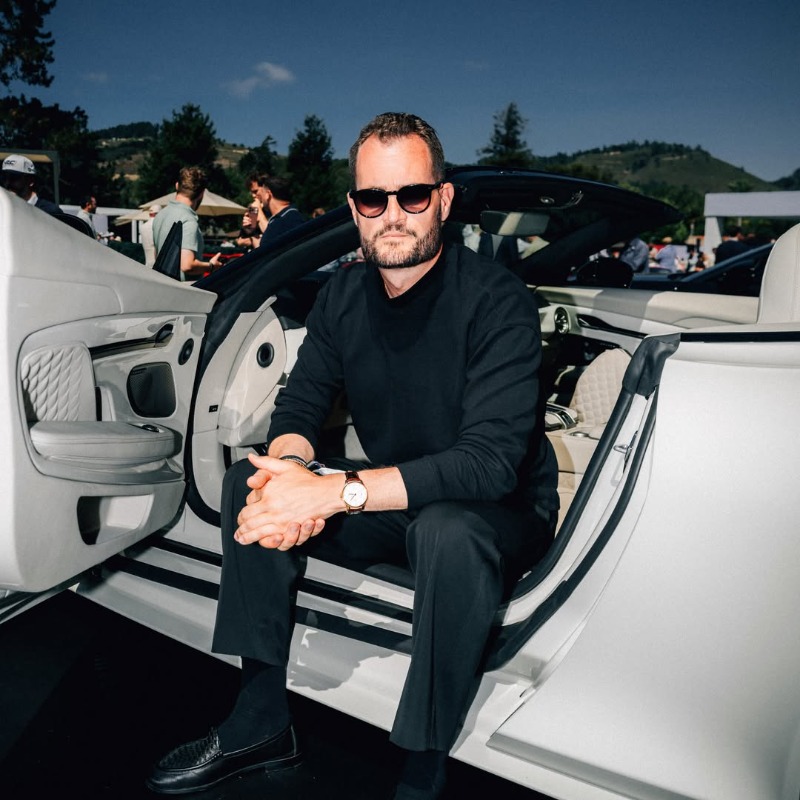
Brabus was already a great brand before I became CEO, but it was a niche brand, like knowing the one guy in Japan who builds the best guitars in the world and travels there because only he can do what you need. People spent serious money with us for the 42 years my father ran it, purely on that kind of trust. When I took over, I felt like we had so many stories we weren’t telling, and modern media, YouTube, Instagram, gave us a new way to tell them.
But none of what we’re doing now would be possible if Brabus hadn’t first been an extremely professional business that always kept its promises. When you’re shipping to a hundred markets, and people are wiring you millions of euros purely on trust, you understand how hard that trust is to rebuild if a single deal goes sideways. My father built that foundation. No matter what color we paint the brand- black, white, yellow, peach- we’re never going to lose that underneath it all: a German company that functions extremely well and stays fundamentally healthy.”
CLP: Brabus has earned a genuinely devoted, almost cult-like following, even among global icons. What do you think it is about this brand specifically that resonates that deeply?
CB: “Customers can smell the pulse of your brand from a hundred miles away. If you’re faking it, it doesn’t lead to good results. At Brabus, you’ll find people who don’t just work at the brand; they are the brand. We just sent two people into retirement who’d been here 38 and 43 years. Next year is our 50th anniversary. That legacy gives us, as our CFO likes to say, a very strong skeleton as an organization.
We’re specifically looking for people who fit that energy, because you’re going to be working alongside design radicals, jumping off the ten-meter board every single day. If you’re not up for that, this isn’t going to be your company.
Somebody who spends $1.77 million on a Brabus Bodo is not a stupid person. People assume that because it’s luxury, buyers have endless money and spend it carelessly. That’s not true. People with that kind of money spend it wisely. They think about the brand’s past, present, and future, because that’s what creates value. We had a BRABUS 900 ROCKET R and a BRABUS-modified 911 both resell recently for roughly a million dollars, one to two years after they were originally sold, and well above their original price. That tells you these cars are touching people, not just moving them from point A to point B. Our mission is “one second wow,” touching the brain in one second, but always through the heart first.”
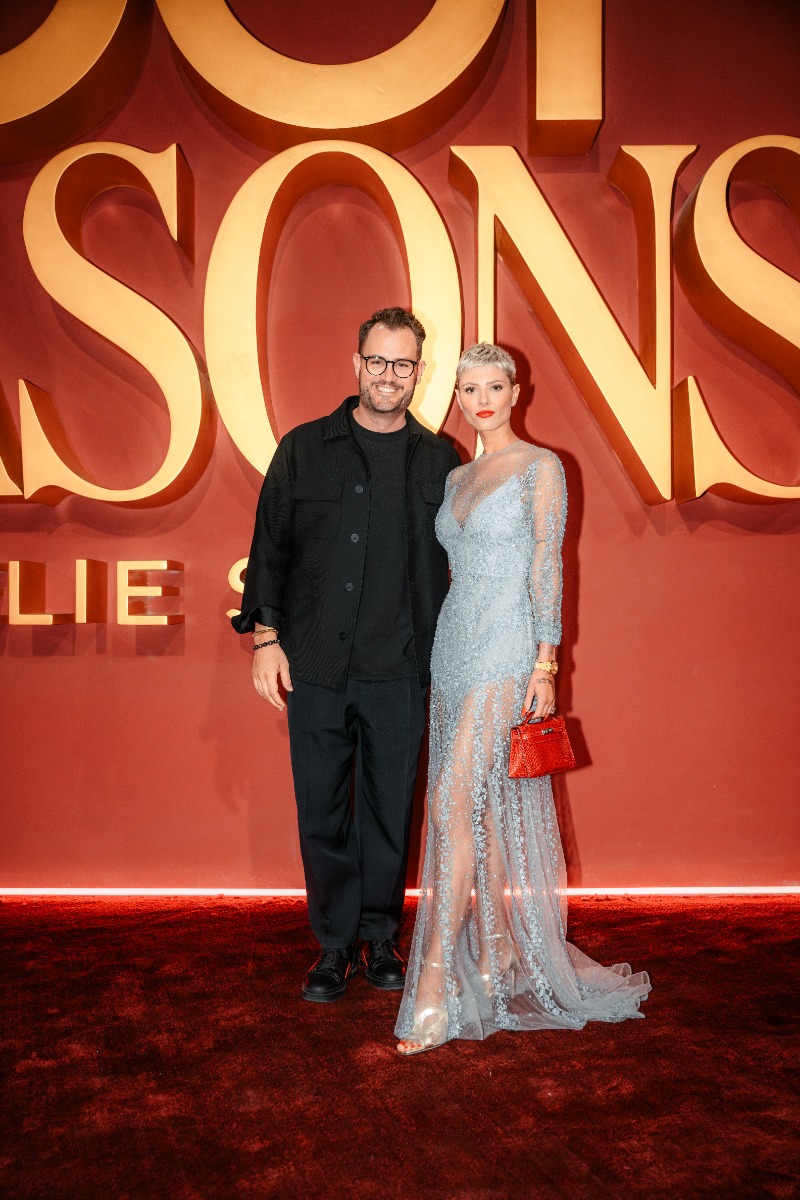
CLP: Mili, as Creative Director, what do you see as the core of the Brabus visual identity, the thing that has to be true across everything the brand makes, whether it’s a car, a boat, or a building?
MU: “It’s funny, I never thought I’d work for BRABUS, and I never thought I’d end up with Mr. Buschmann. I always said growing up that I’d either be an actress or a designer. Now I’m both; we have our own Amazon Prime show, so sometimes we really are acting. God forbid we ever showed our actual real lives.
It wasn’t a plan. We fell in love, and Constantin asked me to come work with him. I started as VIP Relations Director, connecting the brand to people from music and sports. But I’d studied fashion design; I’m a tailor by training, and I realized I didn’t just want to talk about BRABUS; I wanted to create something. I went to Constantin and asked if I could try designing. He just said, “Yeah, for sure, do it.” There’s a whole workshop. He’s always: just do it. That wasn’t what I expected, honestly, and I didn’t expect how much he actually meant it.”
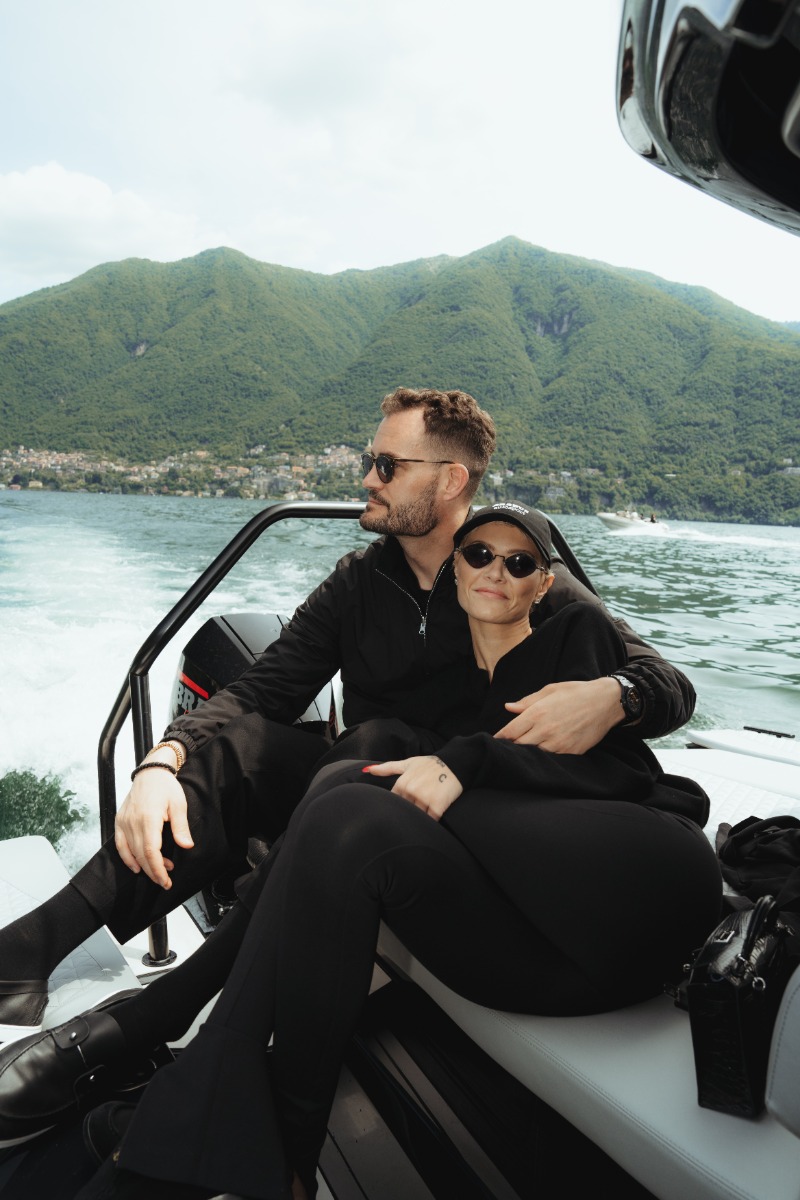
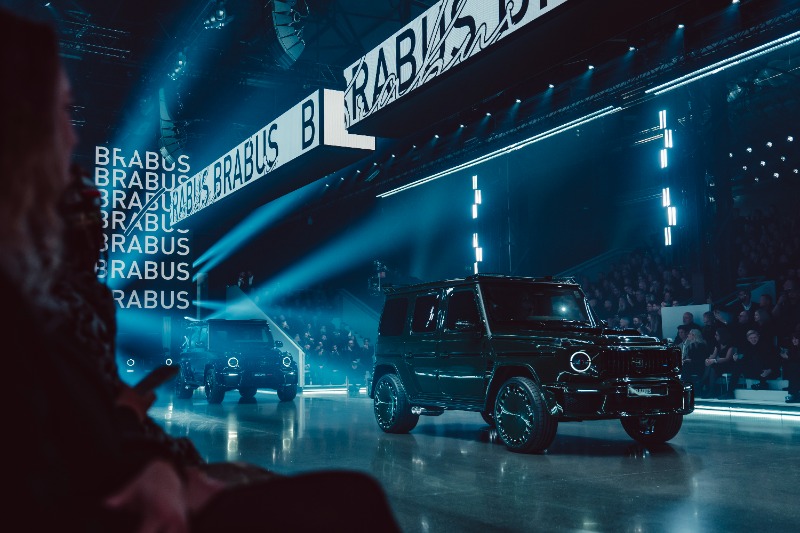
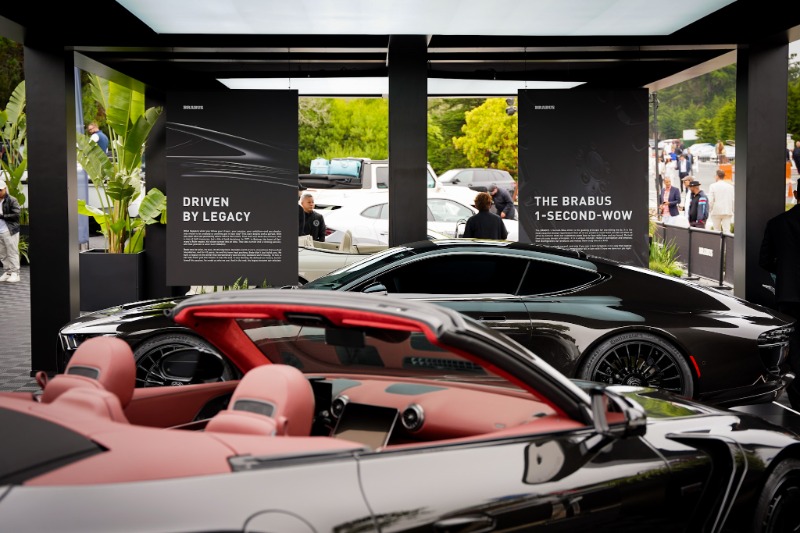
Mili’s influence on the brand is evident – from the entire design of the Brabus activation in Pebble Beach (which reflected the brand’s black-on-black edgy style) to many of their partnerships. I even learned that every year, BRABUS throws open its doors for something no other car company has ever really attempted: an actual runway show, for cars.
Signature Night is invite-only, packed with international collectors, press, and VIPs, and staged with the full theater of a fashion week presentation, dramatic lighting, a driving soundtrack, and a procession of bespoke Masterpiece builds walking the runway like models rather than sitting roped off on a showroom floor. Alongside the cars are BRABUS boats, motorcycles, and the brand’s own apparel line, all presented under one roof, one narrative.
Observing the couple together, I was reminded of something a wise woman once told me. She said, “Marry someone who isn’t the anchor to your ship, but rather, who’s the wind behind your sails.” That distinction is exactly what struck me about Constantin and Mili.
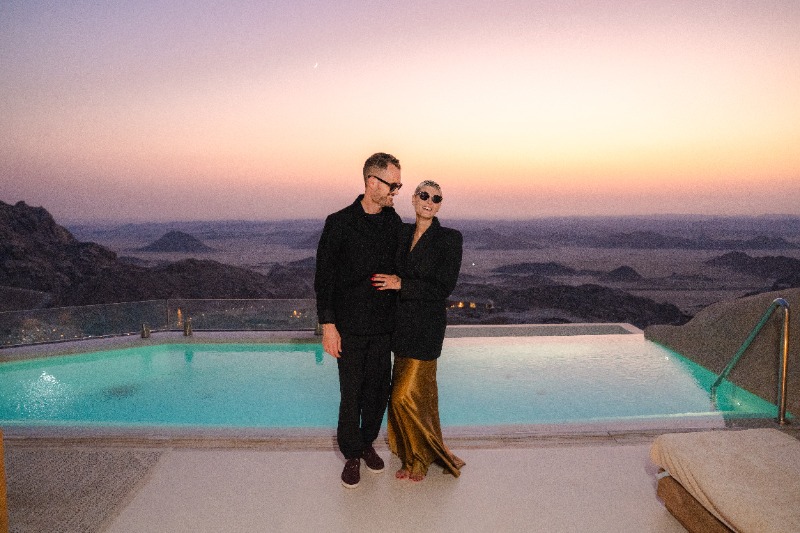
He doesn’t try to suppress her creativity or out-of-the-box thinking, and he doesn’t try to hold her back from expressing her viewpoint. Instead, he supports her vision and her independent spirit, even when the rest of his team doesn’t share his perspective. Likewise, she admires his intelligence and take-charge approach, while striving to respect his authority in the business. It’s a balancing act.
Nowhere is that dynamic clearer than in the story of the peach car.
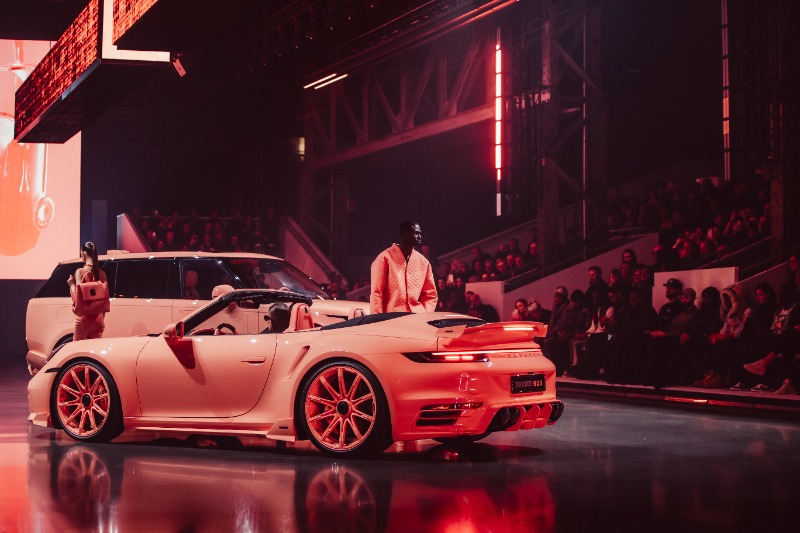
CLP: I heard about a peach-colored car you pushed for that got a genuinely polarizing reaction internally. What made you fight for that choice, and what did that moment teach you about how much risk this brand can actually take?
MU: “I was flipping through a magazine, and I saw this color, I think it was Pantone’s color of the year – peach. And I thought about the fashion industry. I love going to Paris for Fashion Week, and everyone there dresses beautifully, pays so much attention to detail, spends real money on couture, and they all drive cars. So I asked Constantin: why don’t we step into that world? Why don’t we bring the women’s side of fashion into Brabus?
That’s what was on my mind when I built the ensemble, a Range Rover and a 911 Turbo S, both in peach, and took them to Paris to see if it worked. It worked really well. I think those two cars were the most photographed cars in Paris at that moment. People from the fashion industry started calling me directly. It proved the idea.”
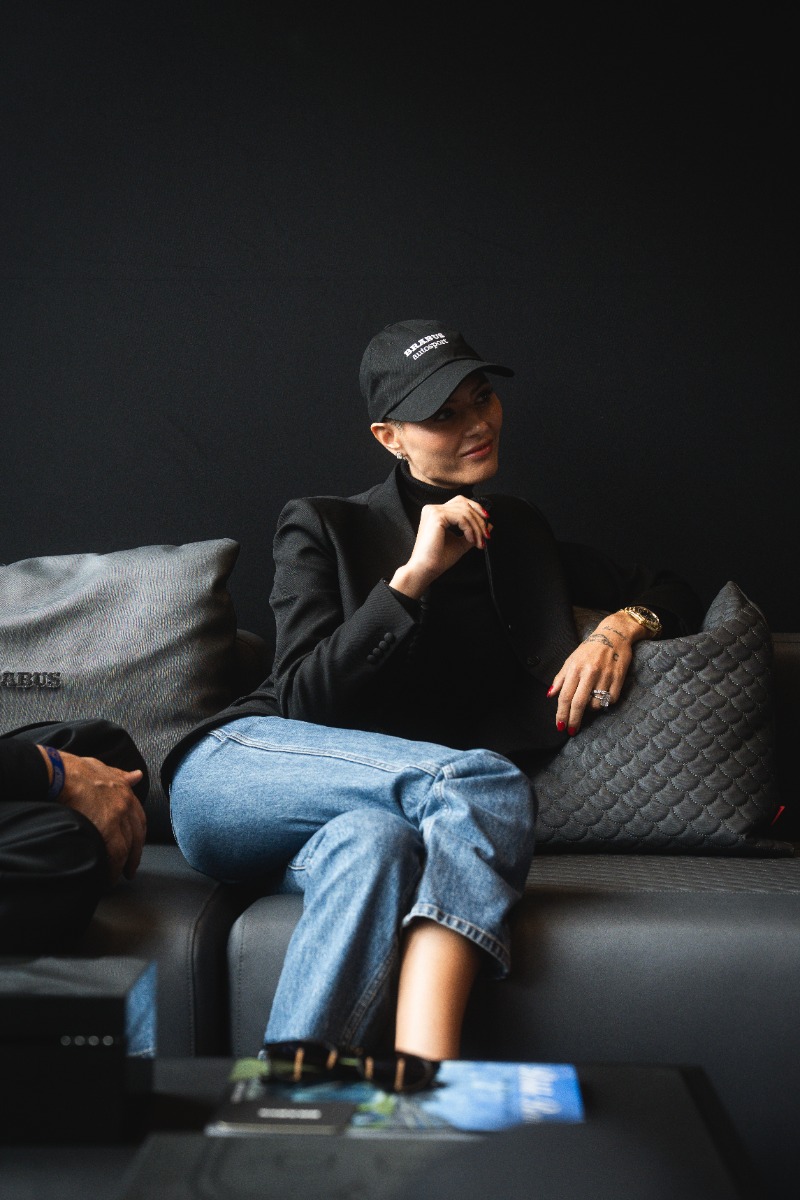
CB: “That’s a perfect example of the overlap between us, but also each of us staying in our own lane. Mili is a very intuitive person; she pulls inspiration from fashion, from architecture, from ‘what would I like to drive?” I’m the opposite in a way. Anyone who’s been deeply embedded in one business for a long time develops what we call in German Betriebsblindheit; you go blind to your own business. You need people around you who won’t stand down and say “peach cars, what a stupid idea,” people who say “this is fresh, we need to break up our own game.” She does that constantly. That doesn’t mean the soul of BRABUS is always going to be black, but it needs that constant challenge.”
It’s a dynamic I observed that Mili has reflected on publicly herself. In a recent Instagram post to her own following, she put it simply by stating: ‘Being underestimated is a head start, because nobody watches you closely once they’ve decided you don’t matter, and that’s exactly the time to use.’
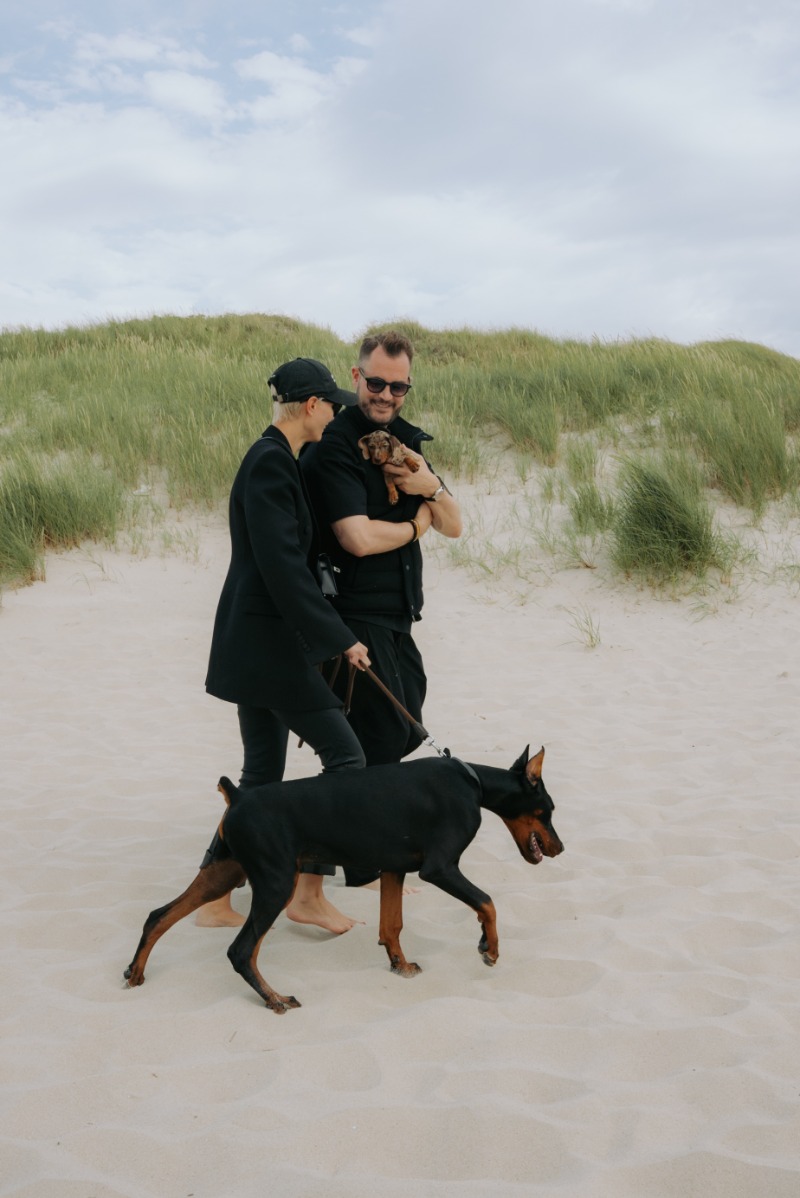
CLP: You’re partners in life and in this business, and now you’re showing that dynamic publicly through your docuseries. What’s actually the hardest part of separating the personal relationship from the working one when you’re together almost around the clock?
MU: “When Constantin asked me to work for him, I told him there was one rule: he couldn’t be my boss. Of course, work-wise, he is. But I told him, I’ll always tell you the truth, whether you like it or not. The first two years were hard.
We started dating and then, almost immediately, started working together. We never had the chance to build the relationship first; it was built while working, under real pressure, with no pause button. If one of us was sick, it didn’t matter; let’s go, go, go. I had to learn, as the one who eventually says “stop,” and that was hard, because I’d never had to say stop to myself before. It was a strange, intense journey, not just for us, but for the whole team around us, who didn’t always understand what was happening between us.”
CB: “To be very honest, you hit the point, a hundred times over, where you think, this isn’t going to work, we’re going crazy. And because you love each other, you either make it work or you separate. That’s simply what happens in an environment with this much pressure. This isn’t a life where you choose what to do each day; the Pope, Elvis, or the man on the moon is showing up basically every day, whether you’re ready or not.”
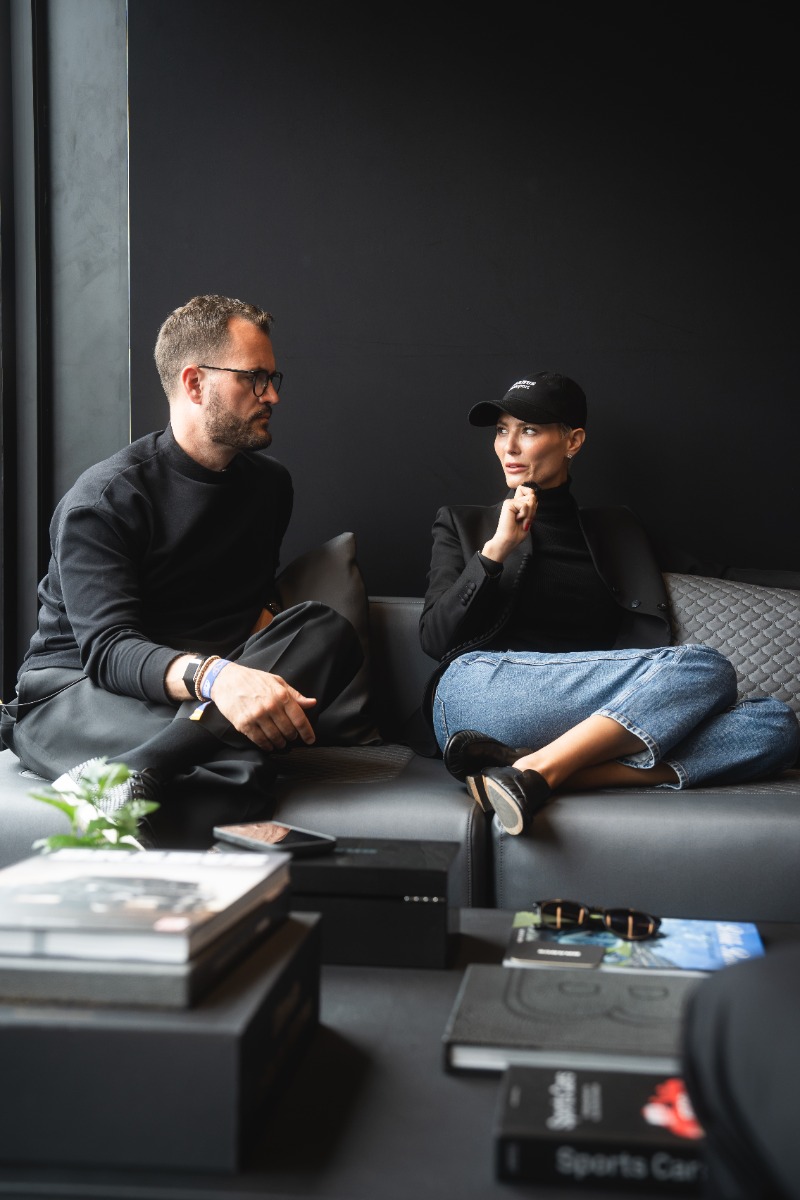
CLP: People see a “power couple” from the outside and assume it’s glamorous. They don’t see the exhaustion, the frustration, the disappointment stacking up. If you don’t have a grounded core within yourself, some daily practice, whatever that looks like, and a relationship where you both remember you’re teammates, not opponents, it doesn’t hold.
MU: “What people can’t expect from us is that we’ll play a role when we walk into the company. I told our whole team: don’t expect me to act like I don’t know this man; he will always be my partner, and I will always be the same person. That was something everyone around us had to learn too: that it’s okay for us to be a couple who also work together, because I genuinely don’t have a separate switch. I’m not someone who can be “this person” at the office and someone else at home.”
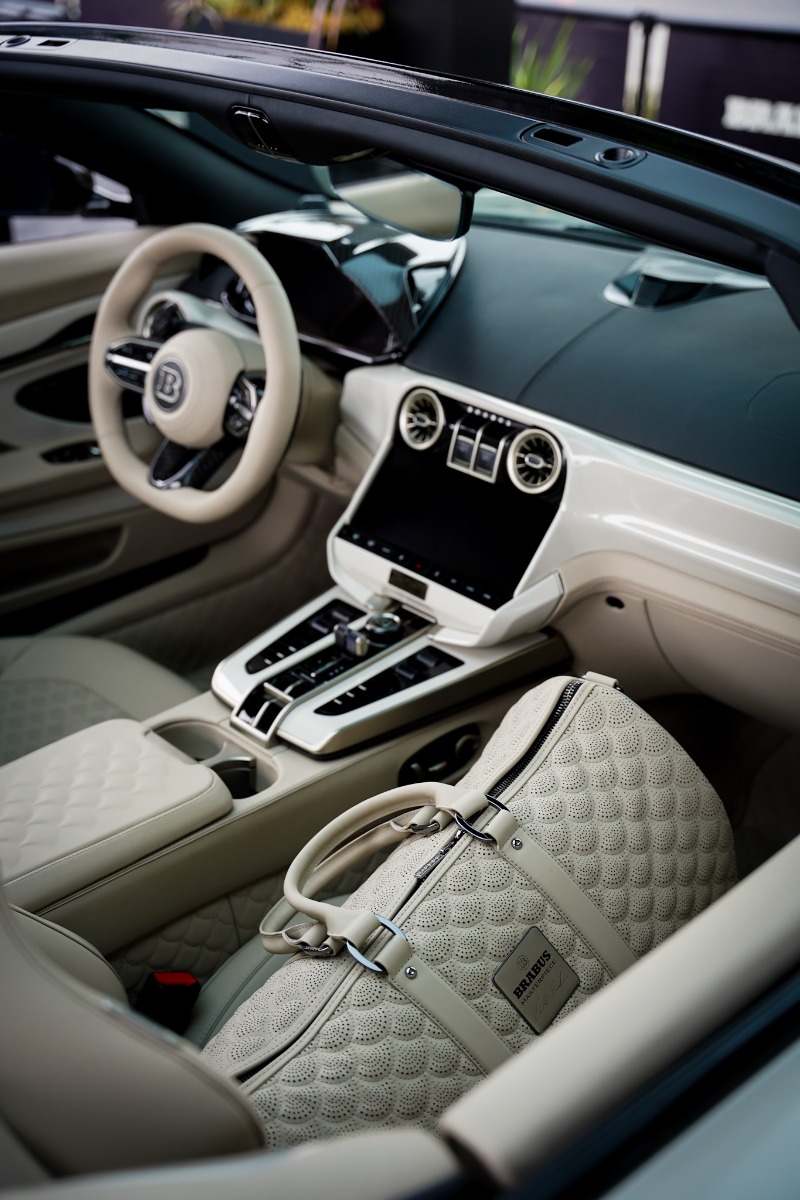
CB: “If we’re not bringing our real selves to the table, we’re just playing a role, and that’s exhausting, and it’s not sustainable. We’re lucky to live and work in a context that lets us create value together. But it’s not just the two of us; there’s a whole team that makes this brand possible.”
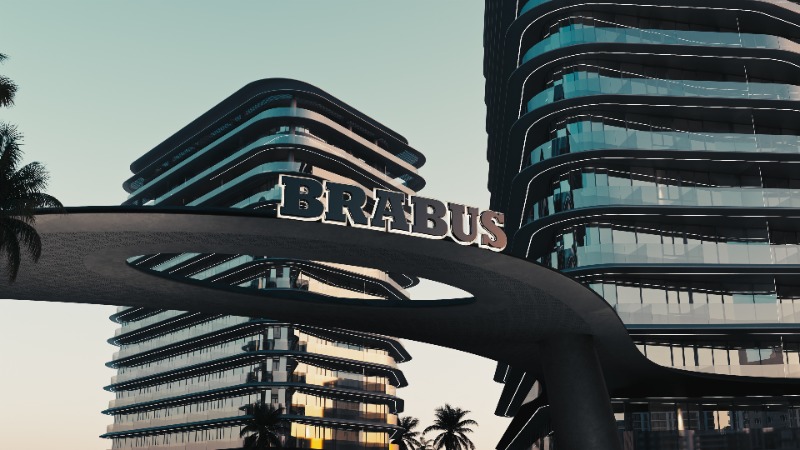
Beyond their work on automobiles, BRABUS has expanded into a variety of other products and lifestyle projects in recent years.
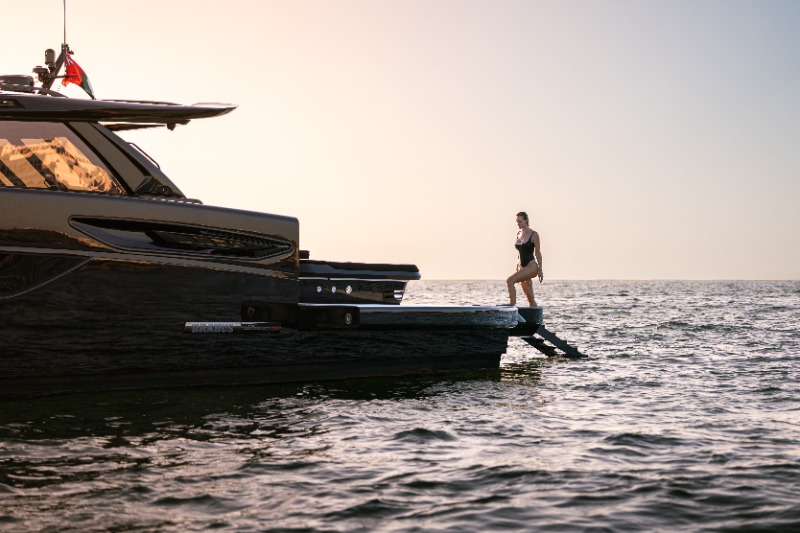
CLP: What inspired Brabus to expand into categories like marine, motorcycles, watches, and now real estate?
CB: “When I took over the business from my father in 2018, I asked the team a simple question: who are we? The answer was, “We are Brabus.” I said, explain that to me. Silence. Eventually someone said, “We’re the biggest independent OEM tuning company for Mercedes in the world.” That’s technically accurate, and completely useless. The customer doesn’t care about that description. You have to make people care.
So the next question was: who do we want to be? Same silence. That launched a two-year process, and it’s where “one second wow” actually came from, not as a marketing line, but as a real filter we test every car against. With the BODO, we literally stood in front of it fifty or sixty times asking, “Is it there? Is it not there?’
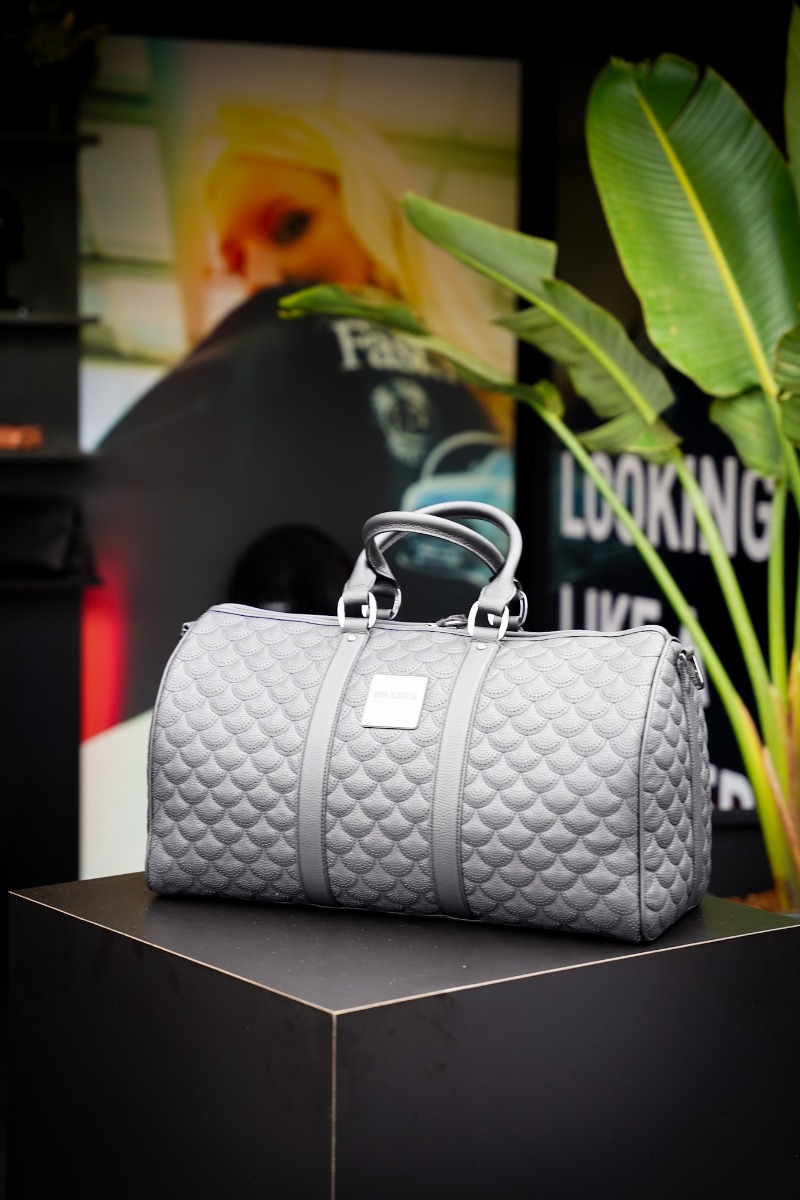
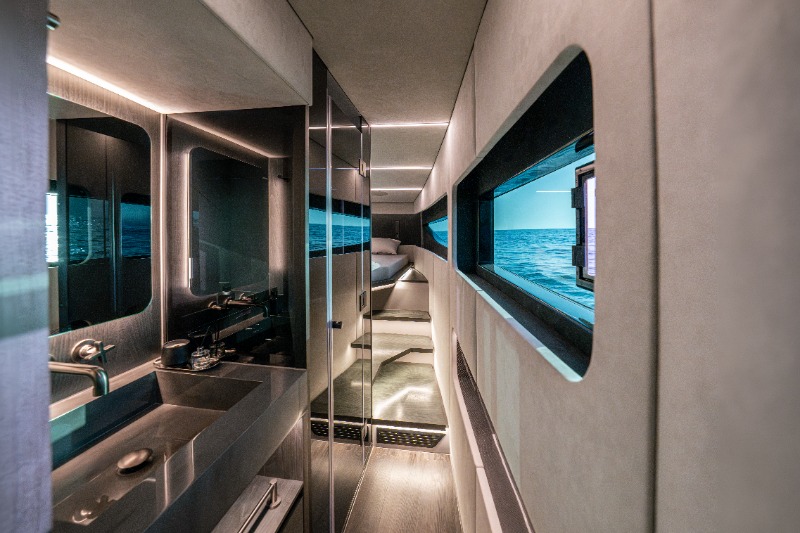
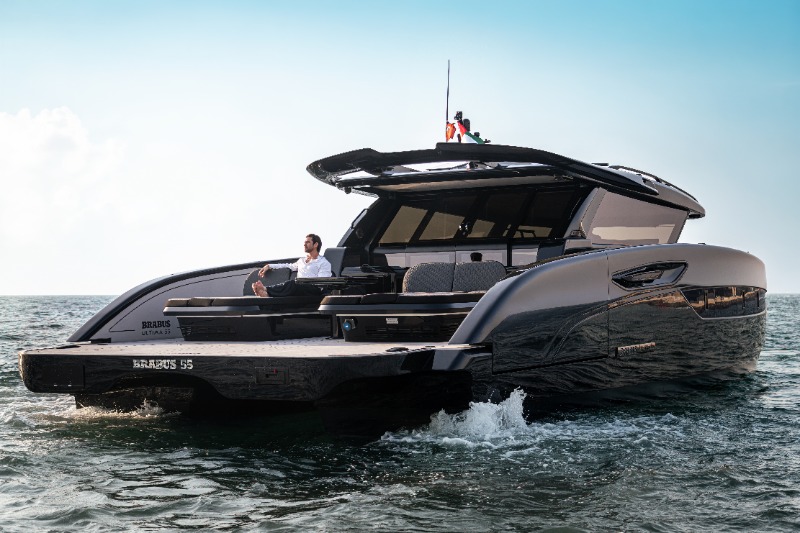
Out of that process came a simple discipline: one thing, every year, that puts us solidly outside our comfort zone. We started with boats, a full transfer of our design language onto water, and people said, “You’ll be gone in a year, it’s just a concept car.” Now there are 300 Brabus boats in the water. Once you’ve done it once, you start codifying a design language you can actually explain. Then you do it again: motorcycles, then motorhomes, a watch collaboration with Panerai, and eventually real estate. Each step, you have to get more professional, because designing a boat as a car designer doesn’t work. You have to think like a boat designer, talk to boat journalists, win boat design awards. Through that discipline, the whole company got smarter.”
MU: “When I started at Brabus, I expected something very masculine, pure tuning, pure horsepower. But walking the floor and watching people work with their hands, I was so impressed that I told Constantin: we need to show this. We need to be a lifestyle brand. For me it was easy to say that, because he’s the decision-maker, I could just hand him the idea, and he’d say, ‘Okay, let’s go.'”
At one point in our conversation, I shared something my own father used to tell me. I told them, “Sometimes you have to slow down before you speed up”. I explained that I often remember those words of wisdom, especially when I’m reflecting on alignment – relative to choosing the right partnerships or knowing which opportunities are actually worth pursuing, versus which ones just look good on paper. Constantin and Mili both recognized the instinct immediately. They told me they’ve relied on that same kind of patience to figure out which expansion opportunities were genuinely aligned with the brand, and which ones weren’t, no matter how attractive they looked in the moment. Nowhere was that clearer than in how Brabus Island came together.
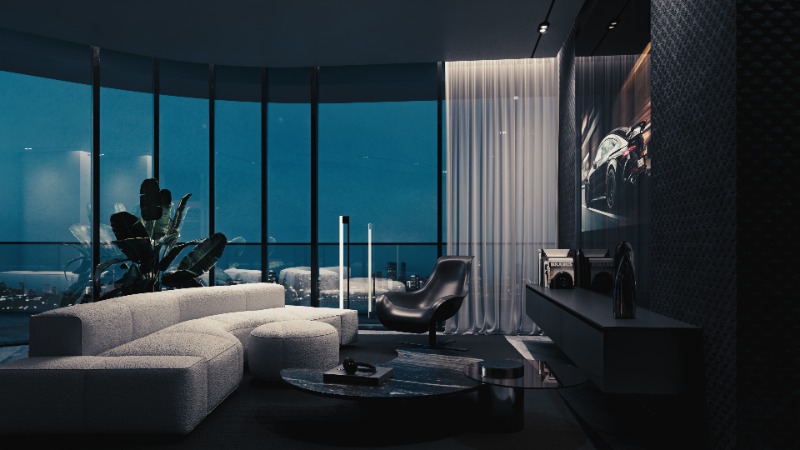
CB: “Mili and I spend a lot of time in Abu Dhabi; we have partners across the UAE and the Middle East. There were already good examples at the time of how a brand can elevate a real estate project, Bulgari Island, for one. Our job as a brand isn’t the construction; it’s converting a local or regional project into a global story. That benefits everyone involved, including the long-term value of the units themselves.”
MU: “They actually first offered us a single tower. I remember telling Constantin, everyone’s doing a tower right now, ask for more. In the end we got four towers and villas on an island. Sometimes if you say no, or you’re not sure something fits, something better comes along.”
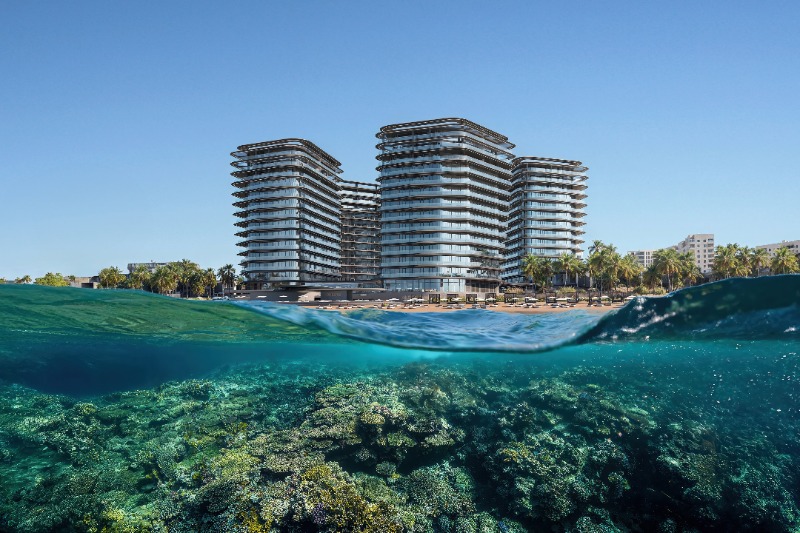
CB: “We turned down one or two opportunities that didn’t feel right before Brabus Island came together. It’s a decision that represents the brand for the next twenty years, not something you walk back. What ultimately convinced us was the developer’s leadership and the investors behind the project.”
Beyond all of the incredible projects and brand collaborations that BRABUS has implemented, the one that they hold dearest to their hearts is the BRABUS BODO, the new coupe and cabriolet cars made in honor of the Founder, Bodo Buschmann, as it was his lifelong dream to have his very own car.
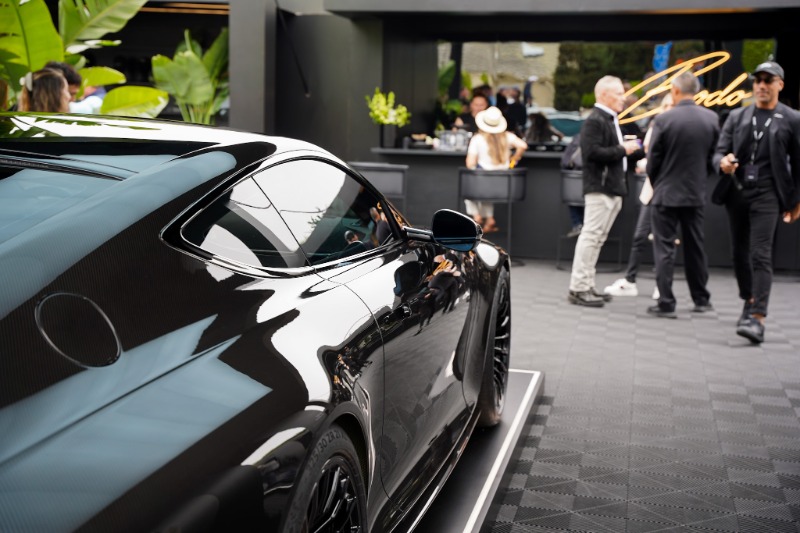
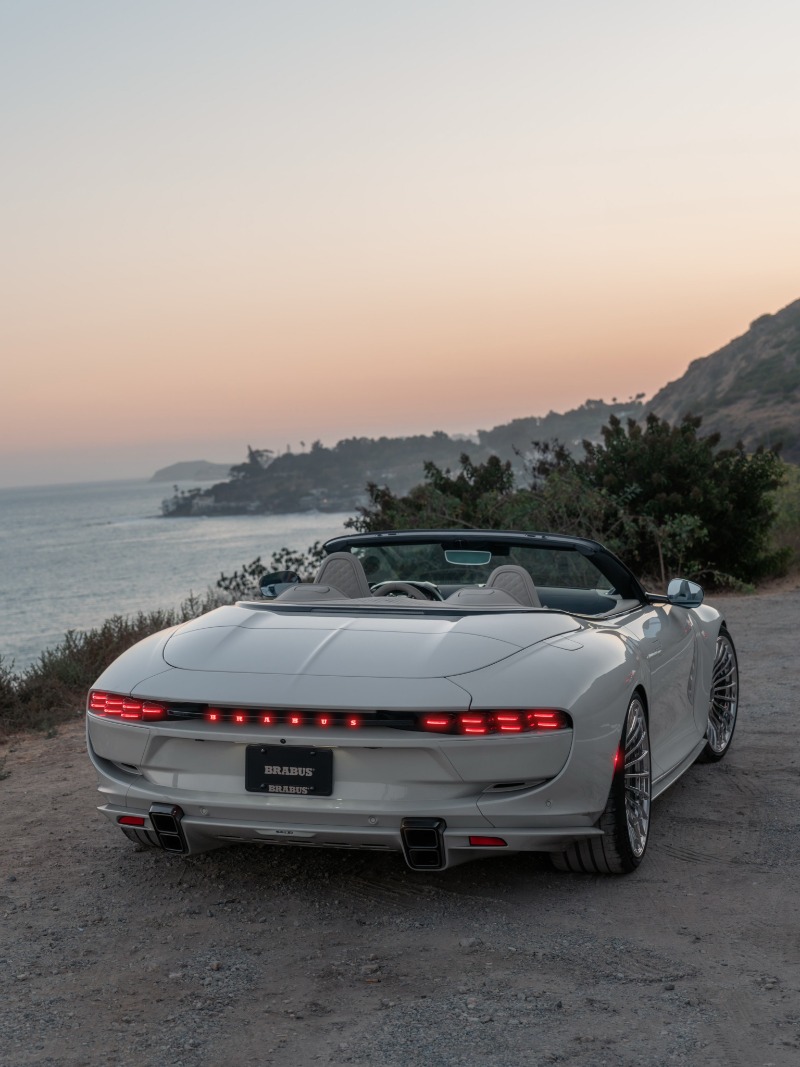
The BODO comes in two forms, a Gran Turismo Coupe and, newly, a Cabriolet, each produced as its own limited series of just 77 units. Both numbers are deliberate: 1977 is the year Buschmann founded the company.
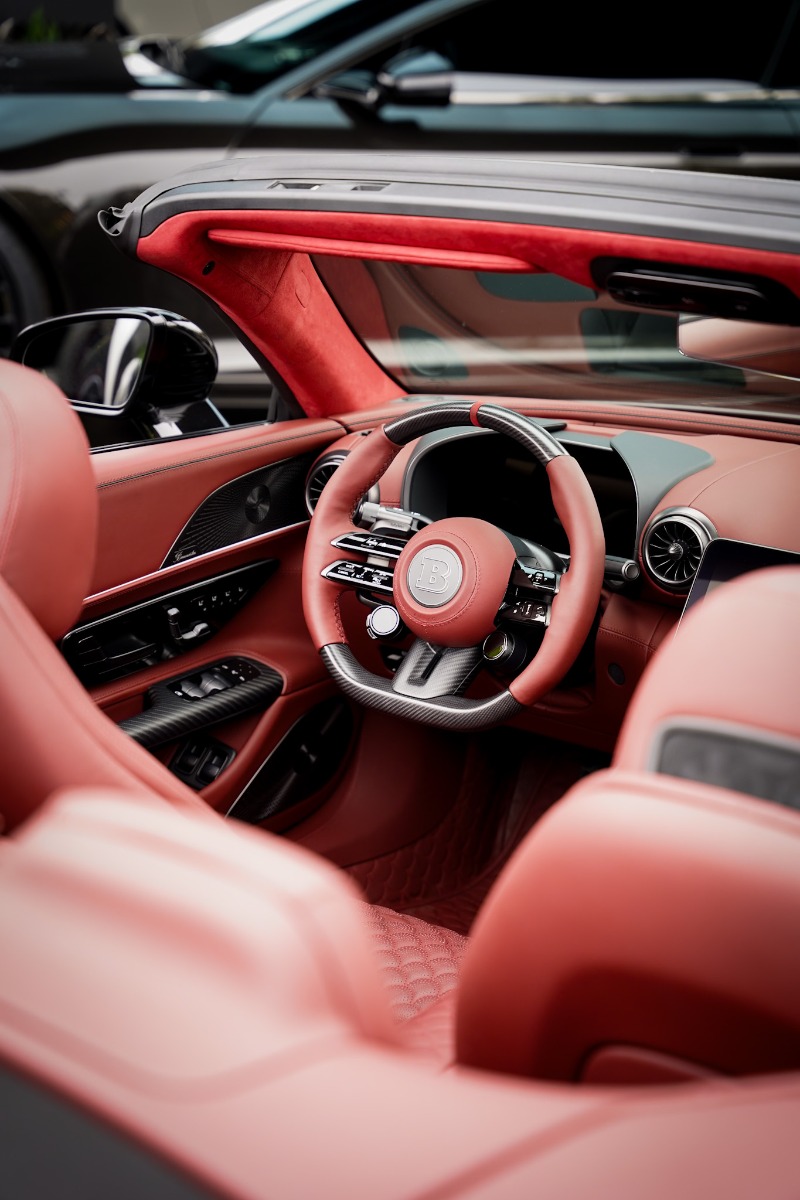
The BRABUS BODO is an elegant, timeless design with a masculine presence that reflects the BRABUS brand in general. Its long hood and sharply cut nose feel unmistakably new, yet the sweeping tail and continuous “Bodo Line” running from nose to rear pull straight from an earlier, more romantic era of grand touring.
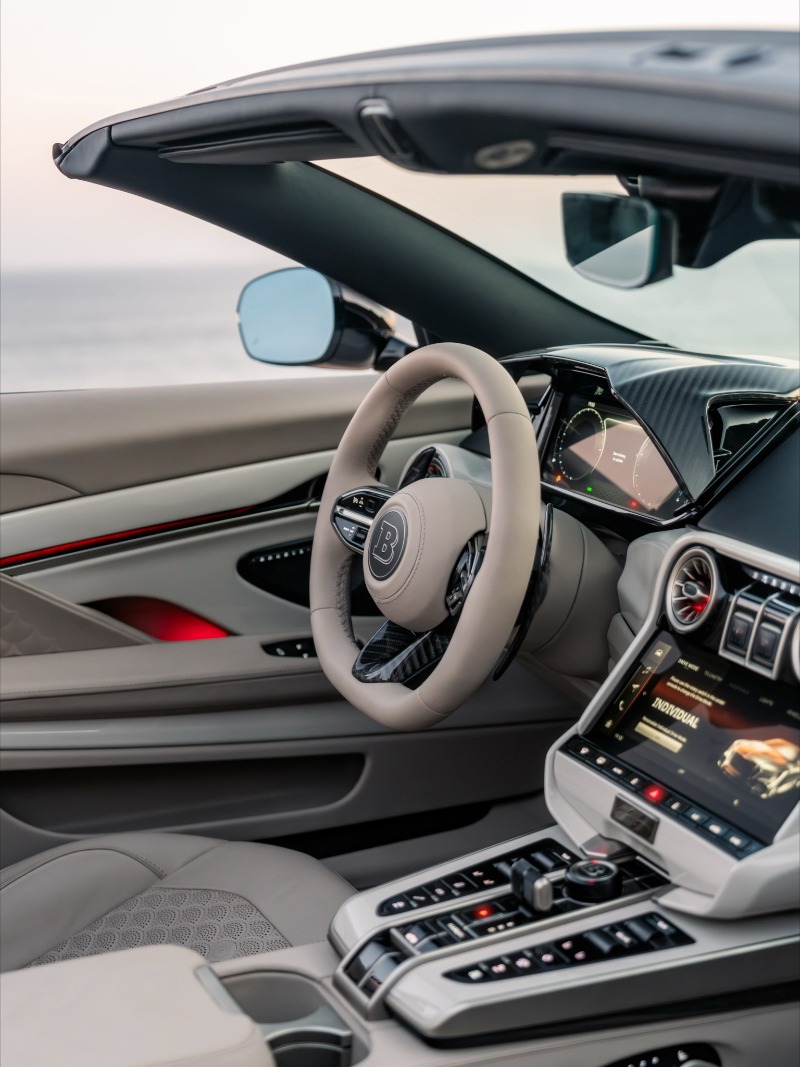
Every body panel is hand-built carbon fiber, and the Cabriolet version adds a folding soft top, offered in a moody all-black “Piano Black” or a two-tone “Silk Stone” whose Jacquard roof has a faint inverted “77” woven straight into the fabric. Underneath sits a 1,000hp V12 that will hit 62 mph in 3 seconds, and go up to 223 mph.
Constantin even jokingly refers to the two colors as “Batman and Bruce Wayne”.
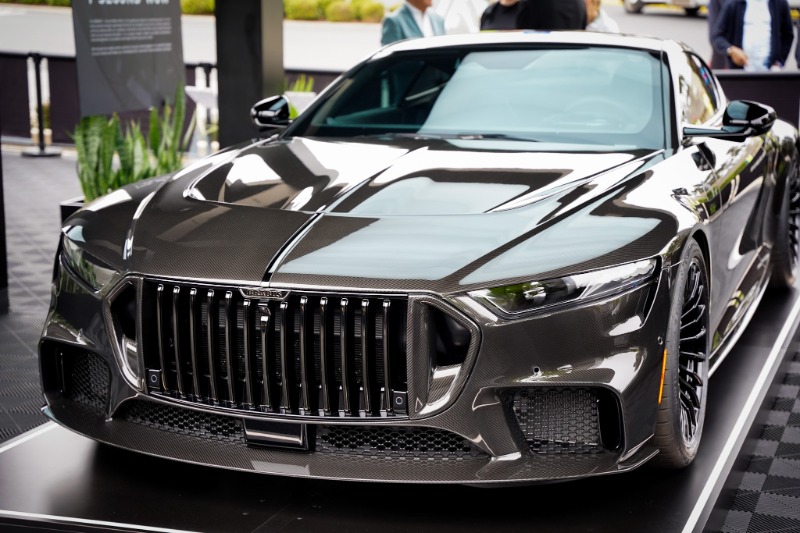
CLP: Your father had this idea for years but never specified what the car should actually look like; the vision was his, but the execution was entirely open. What was it like making those decisions completely on your own, with no blueprint from him to follow?
CB: “I didn’t make these decisions alone. There are people in this business who knew my father far longer than I did: his best friend, our CTO who’s been here more than thirty years. When we had the world premiere of the Bodo at the Quail, we dedicated it to him, as a team, in both of our speeches. I looked down from the stage and saw team members crying. That made it very hard for me to keep a straight face.
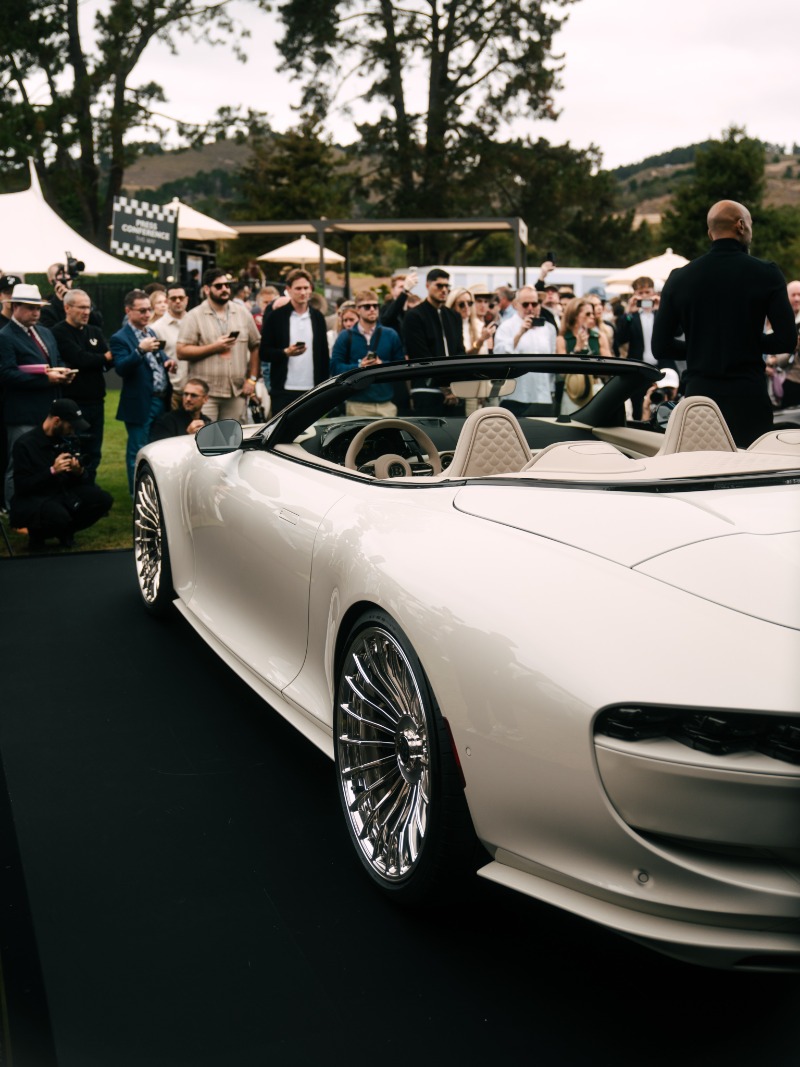
It took us eight years to get there. It couldn’t just be a blast from the past, a dream car dedicated to somebody, sitting still in nostalgia. It had to be cutting-edge, unmistakably 2026, or it wouldn’t have caused any reaction at all, and it wouldn’t have been a good product for us either. The reaction since we revealed it in Como has genuinely been breathtaking; I don’t say that as a PR line. At some point you’re working on something, and working on it, and working on it, and then you have to let it go, like a painting or a sculpture, and put it into the world.
The most beautiful comment I read was someone on Instagram who wrote, “Thank you for a GT I can love.” When we unpacked that, it meant thank you for giving me something to hold onto, the long tail, the classical shapes, the Bodo Buschmann dream, but also thank you for enough newness: the long hood, the almost 90-degree cutoff at the front, things that actually push car design forward right now. A brand is always past, present, and future at once.”
CLP: Is there a detail on the BODO that’s just for you, something only you would recognize as being about him?
CB: “Honestly, no single thing. There are a hundred details. It’s the car in its entirety. Every decision we made was in service of a certain feeling. There’s a photo of him, driving an SL R129 Roadster, top down, a 7.3-liter V12 Brabus engine, on the Autobahn near our headquarters, wind in his hair, sunglasses on. That photograph is the absolute essence of Brabus. It’s why he started the business in the first place.”
CLP: You’ve said Pebble Beach once felt like a dream almost out of reach, and that somehow you made it happen. Now that you’re here presenting on that stage, what does this moment actually feel like for you?
MU: “The first time we came here together, I’d never even heard of Pebble Beach. I asked Constantin, what is this place? I remember watching him do his thing here for the first time and just being completely struck by everything around it, the nature, the people, how much passion everyone here has for these cars. I told him, I feel like we should go bigger. That’s always been my instinct. And he just said, ‘Of course we go bigger.'”
CB: “It’s a privilege to be here. If you want to survive in an environment like Pebble Beach, you can’t copy anyone; you have to bring your own vision, your own philosophy, through your own journey. You could say it’s taken fifty years to get here. From our side, specifically, it’s taken the last several years to arrive at a place where we could do this the right way, and I’m incredibly proud of our team for making it possible.
It’s a little unreal, honestly, especially doing it as a tribute to the person who founded the company. I think my dad is sitting on a cloud somewhere looking down, and I think he’d say two things: that he’s proud of us, and that we’re exactly as crazy as they were back in the ’80s and ’90s, which is a very good thing. It means the brand is still alive and still moving forward.”
Our conversation made me realize something. Bodo Buschmann didn’t just build a company or follow his passions. He planted a massive seed of purpose in the hearts of the family and colleagues he left behind, all while creating a lasting legacy they are still honoring today. That, alone, is more powerful than anything he could have possibly imagined when he launched it in 1977, and it’s partly why BRABUS’ story is a true inspiration.
[Image credits: Christina-Lauren Pollack and BRABUS; Header image c/o BRABUS. All opinions are my own.]