
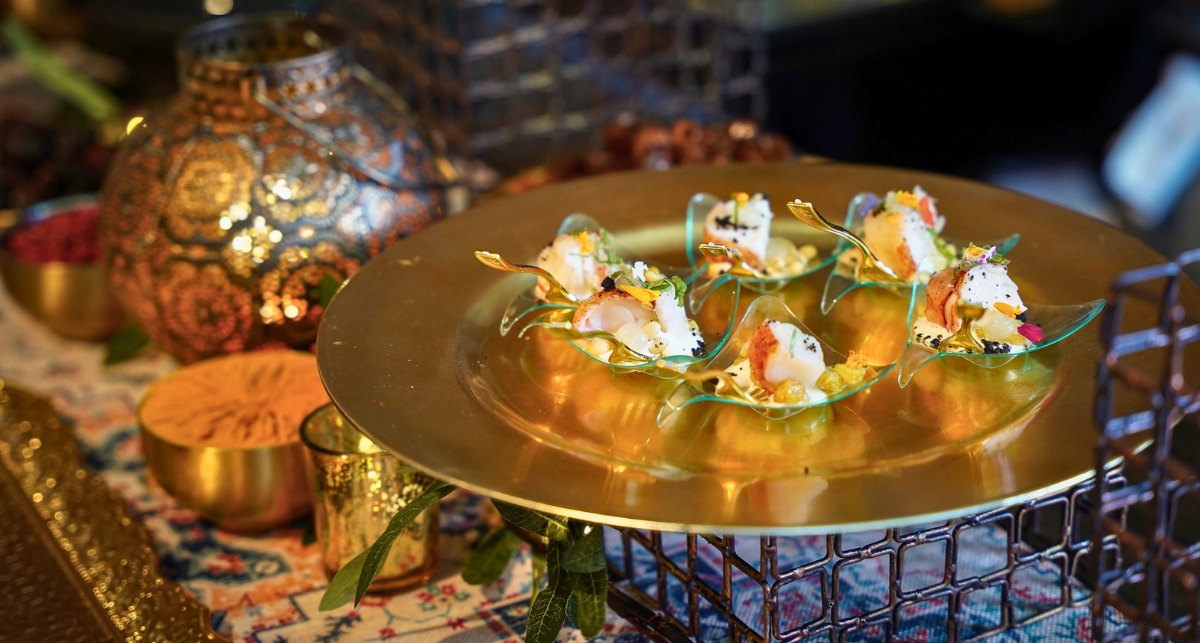
When it comes to understanding what makes a great chef truly exceptional, the answer rarely begins in a professional kitchen or a renowned culinary school. More often, it begins much earlier — at their family dinner table, in a neighbor’s kitchen, or somewhere deep within a culture that treated the act of feeding people as one of life’s most meaningful rituals.
As I’ve come to learn, the world’s most celebrated culinary talents do so much more than prepare delectable dishes. If anything, their entire collection of work is derived from unique personal experiences, rich memories that shape their very thinking, global travels that inspired them, and a cultural identity that no formal training can replicate.
In many ways, their journeys remind me of the film “Like Water for Chocolate,” which my high school Spanish class first introduced me to — an emotionally moving story that beautifully captures how families pass culinary traditions, emotion, and identity from one generation to the next. And how the very act of cooking (with your heart and soul) can transform the entire experience for every person you feed.
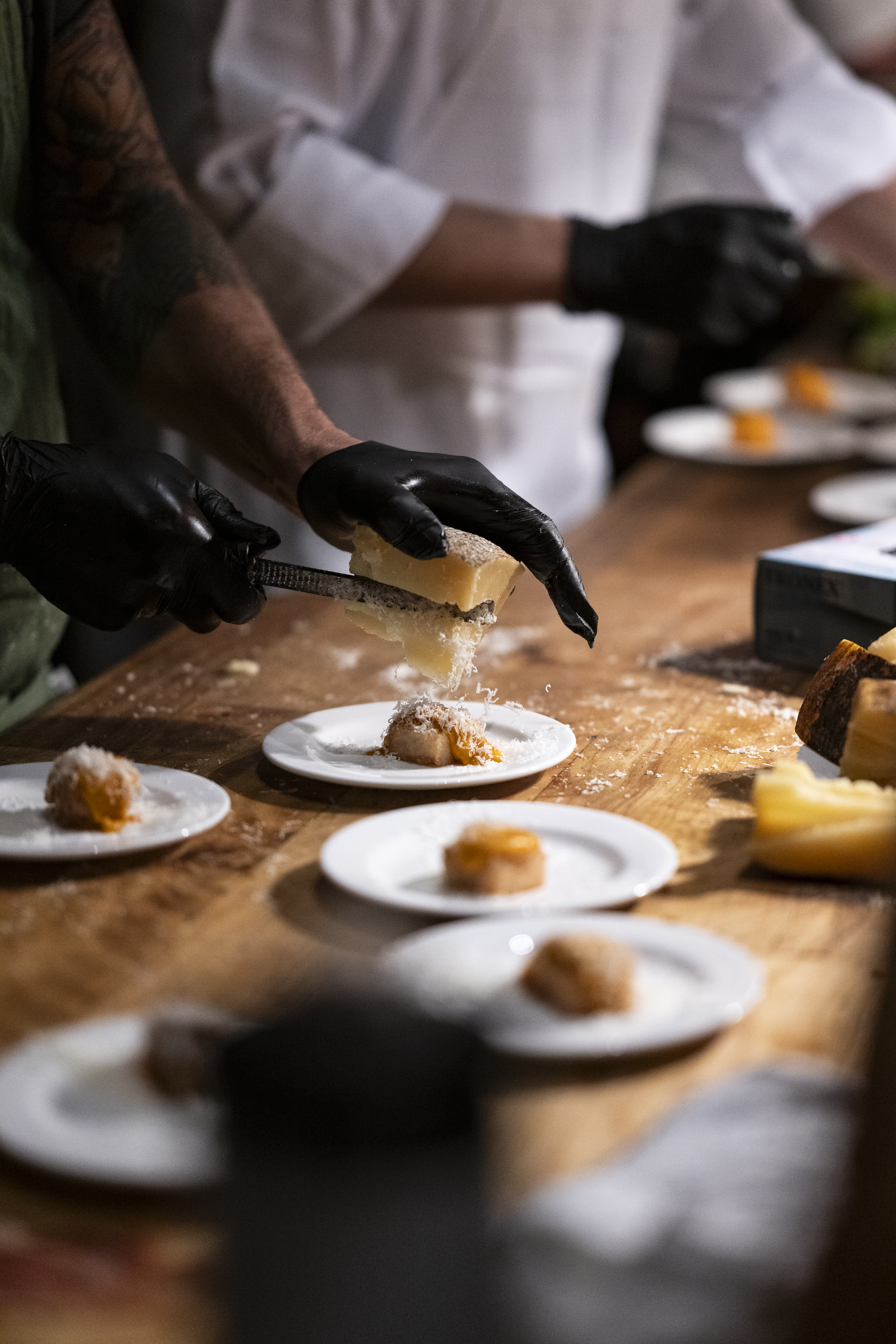
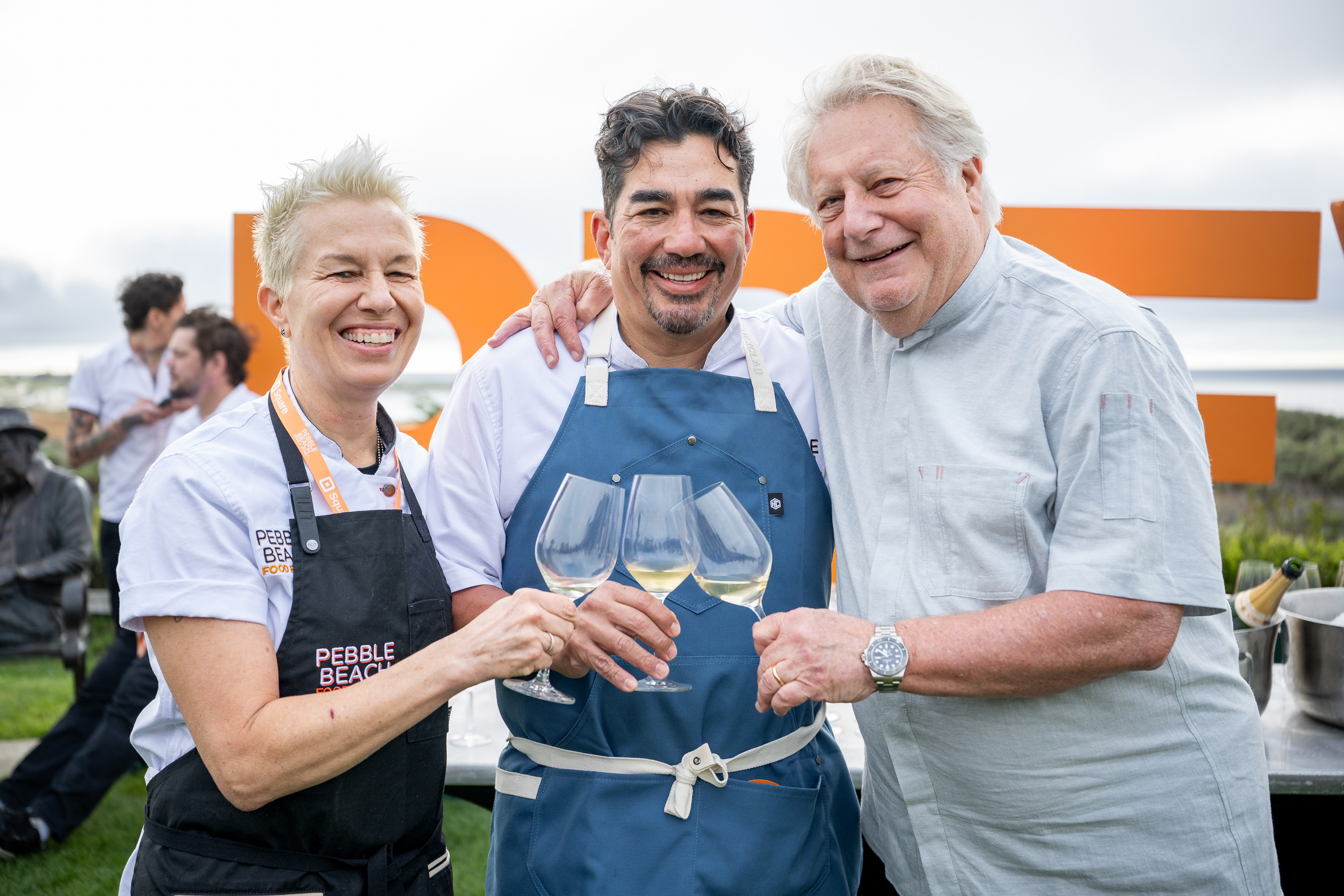
At this year’s Pebble Beach Food & Wine festival, held in April 2026, along the breathtaking Monterey Peninsula coastline, I had the pleasure of speaking with six acclaimed chefs whose culinary journeys span continents, cultures, and decades.
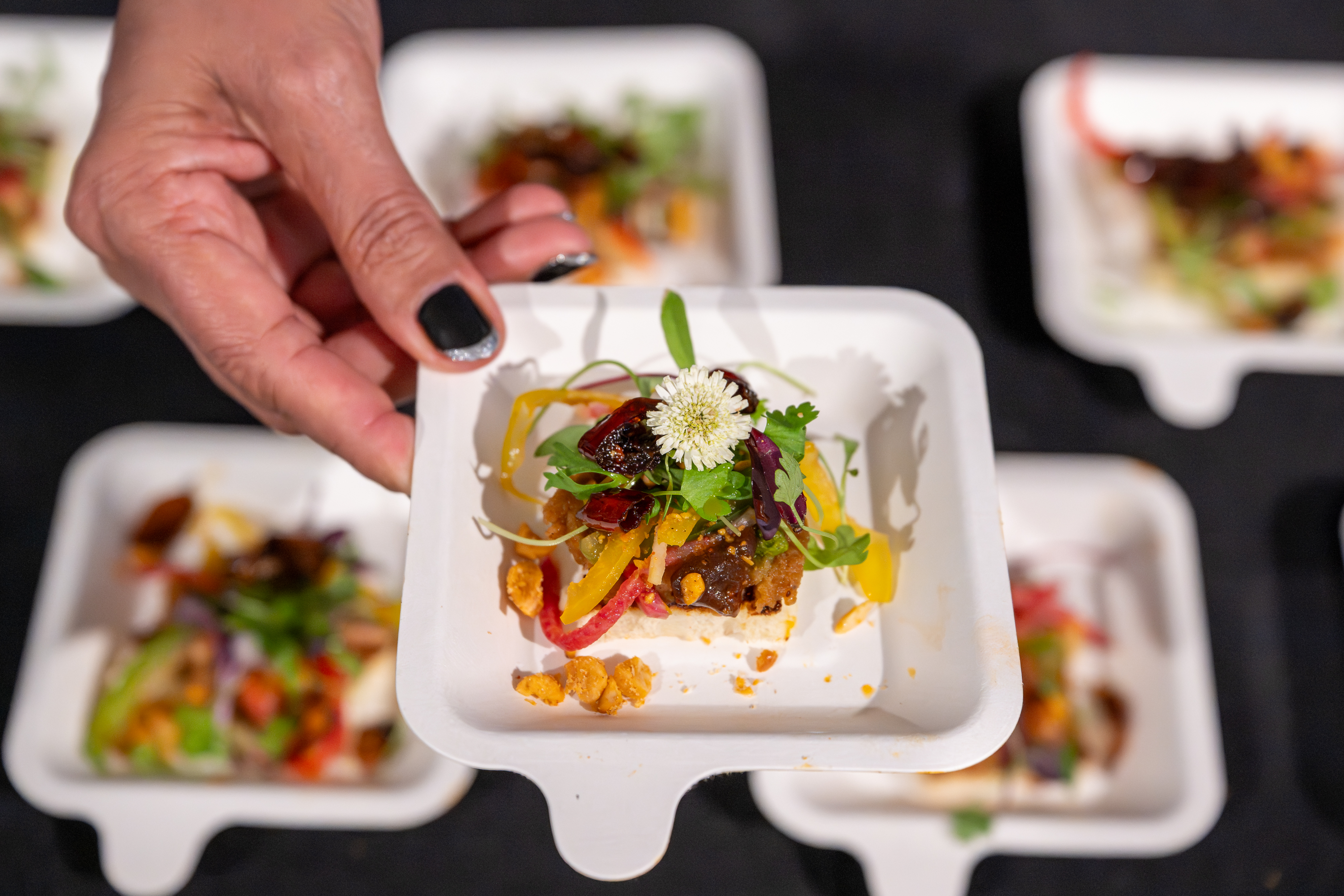
What emerged from those conversations was a fascinating portrait of how the places we come from (and the people who fed us in our youth) often shape everything we create.
From the farmers’ markets of California and the open-door kitchens of Florence to the vibrant street food culture of India and the deeply rooted traditions of the Caribbean table, discover the inspiring backgrounds and philosophies of six celebrity chefs whose stories, experiences, and cultural foundations continue to influence their extraordinary work today.
Jonathan Waxman
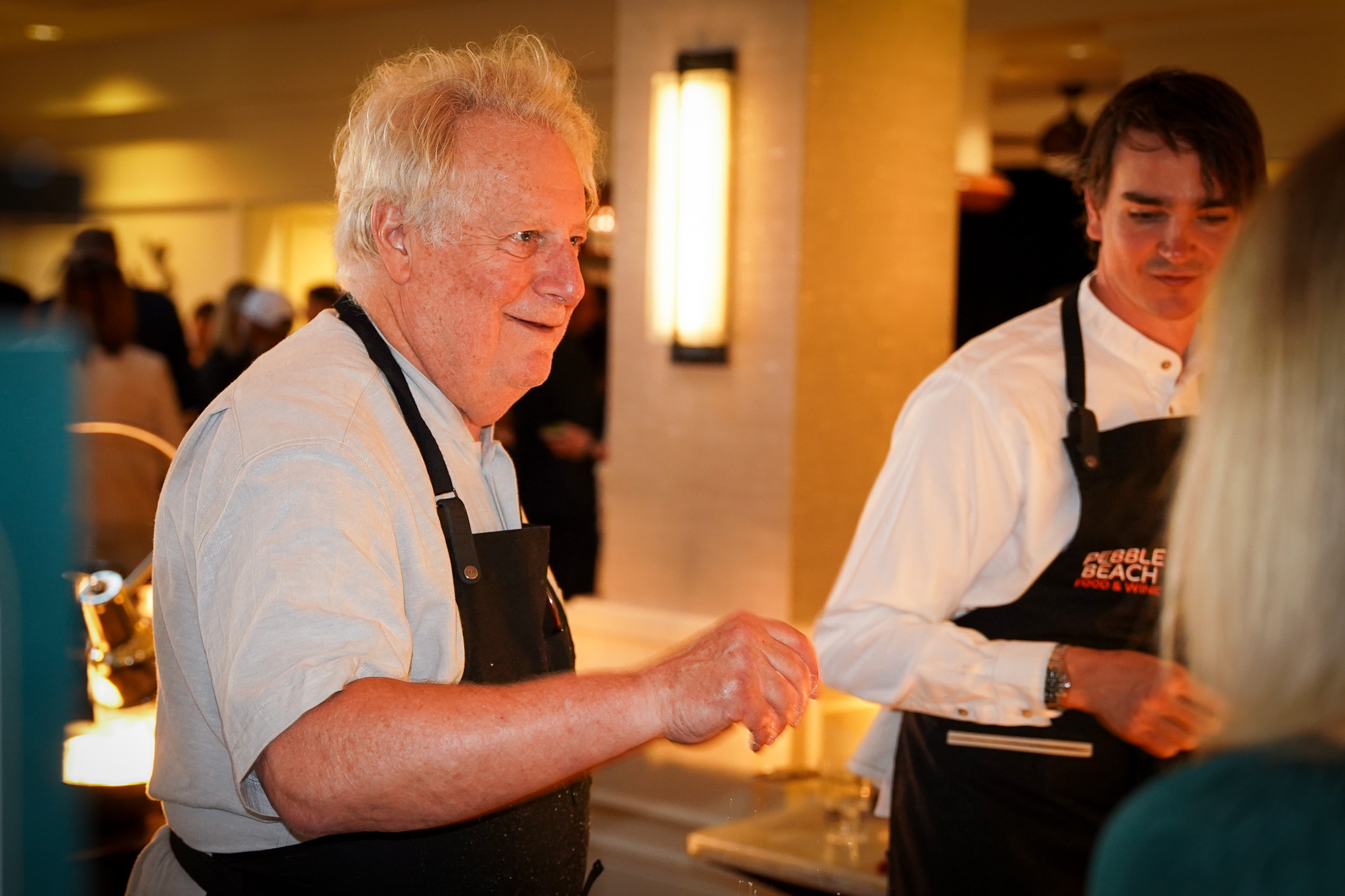
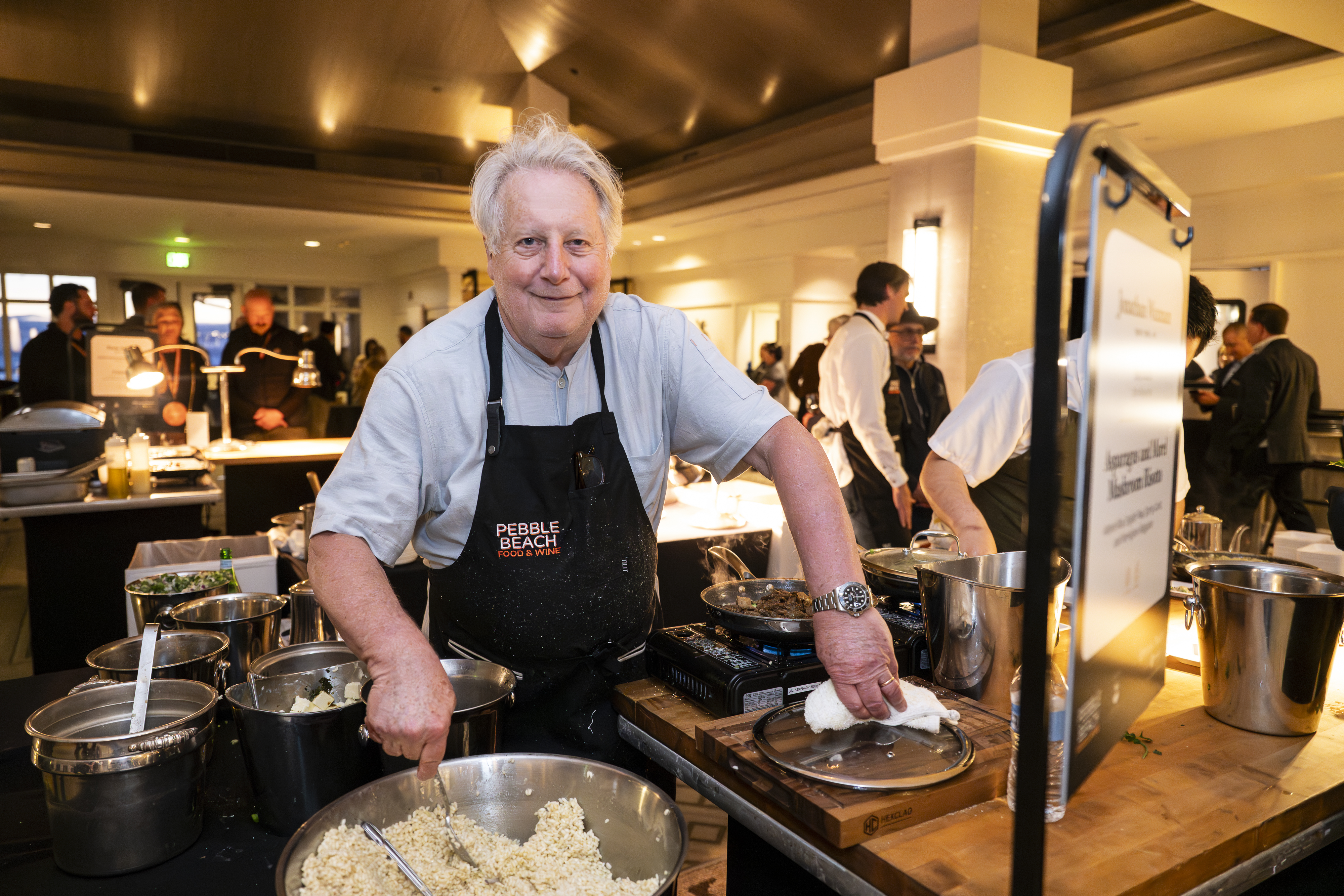
A California native who received his Grand Diplôme from La Varenne Cooking School in Paris before returning to work under Alice Waters at the legendary Chez Panisse, Jonathan Waxman is widely credited with pioneering the seasonal, ingredient-driven approach to cooking that has come to define California cuisine. He is the chef and owner of Barbuto and Jams in New York City, a James Beard Award winner, and one of the most enduringly influential figures in American food.
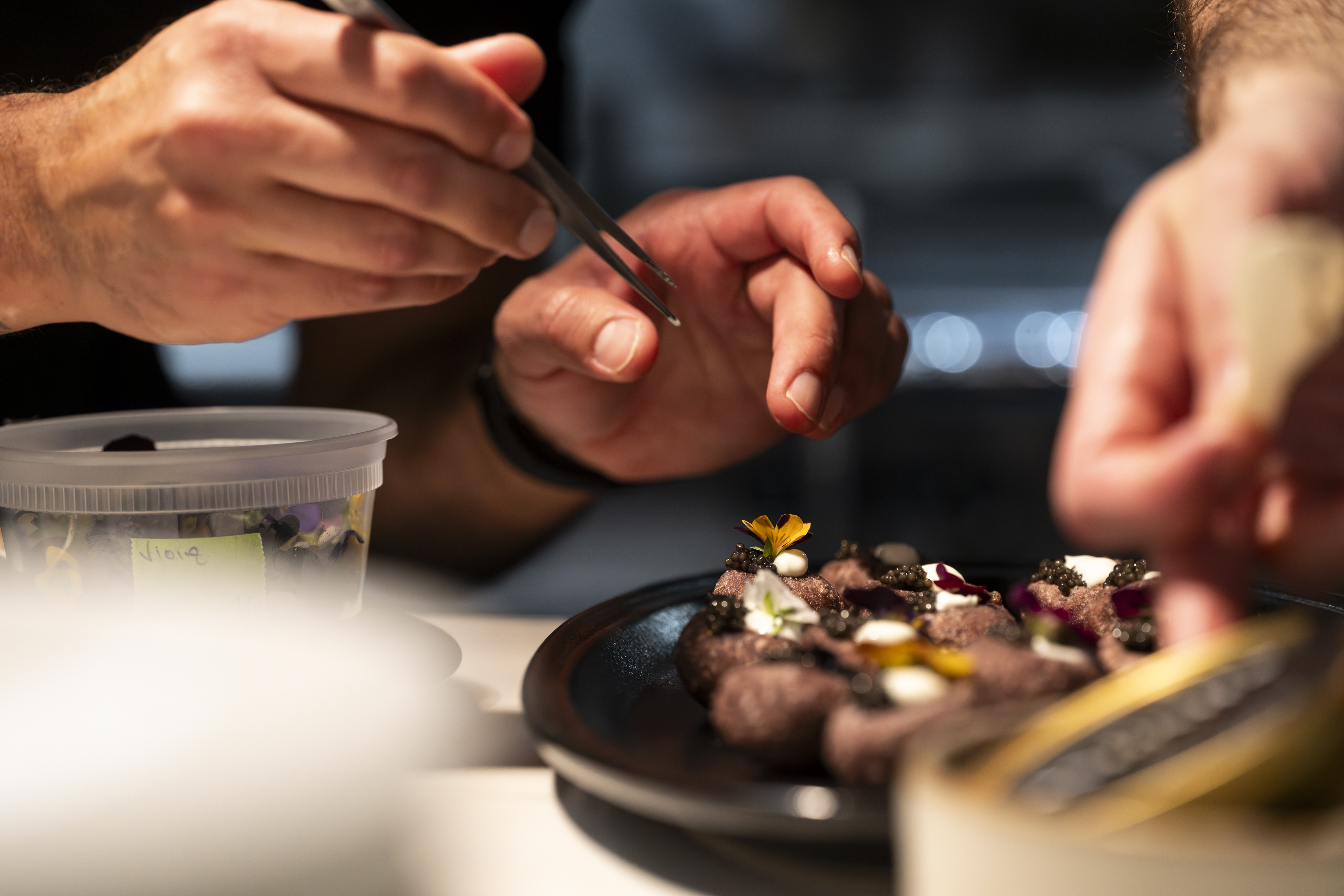
Waxman’s philosophy has always been rooted in restraint and a deep respect for what the land produces. For him, the farmer’s market isn’t just a shopping destination — it’s the starting point for everything.
CLP: Your cooking has long championed seasonal, ingredient-driven California cuisine. How should home hosts think about building a menu around what’s fresh and available?
JW: “The greatest development in the food world has been the advent and flourishing of local farmers’ markets. These are the single most innovative tools for any cook. Home cooks get to use the extremely fresh and curated produce direct from a farm — it doesn’t get any better than that. So if available to you, head to your market and start with a produce that is calling to you and build a menu from there.”
CLP: If you had to choose a handful of staple ingredients every home cook should always keep on hand, what would they be and why?
JW: “Funny, this is something that can drive me crazy. If there aren’t any fresh bulbs of garlic, ripe lemons, two types of onions, and a handful of shallots, I feel lost. Of course, a really good pepper mill, flaky sea salt, great butter, perfect olive oil, soy sauce, and Dijon mustard, plus a myriad of spicy salsas, are equally important. You can make just about anything with these items on hand. But, when it comes to some fuel to keep me going in the kitchen, if there is no popcorn, then my world is flat.”
Fabio Viviani
Born and classically trained in Florence, Italy, Fabio Viviani became a fan favorite on Bravo’s Top Chef before going on to build one of the most expansive culinary portfolios in modern American hospitality — developing, launching, or partnering in more than 50 restaurant brands across the United States through Fabio Viviani Hospitality.
Growing up in Florence instilled in Viviani a belief that great food should never feel exclusive, intimidating, or out of reach — a philosophy that has only sharpened over the course of his career.
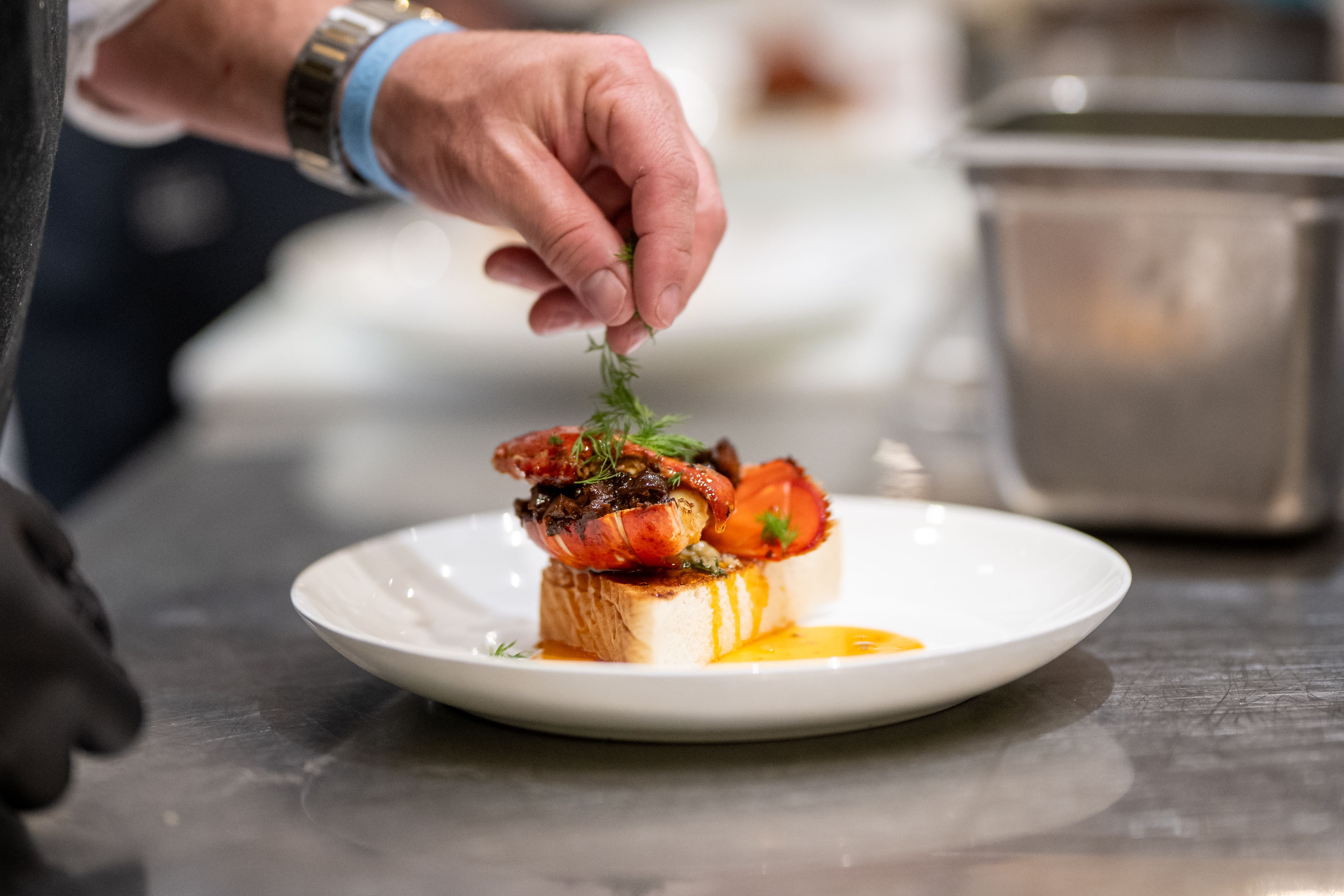
CLP: Having built an expansive hospitality portfolio rooted in both fine dining and approachable concepts, how has your philosophy of “great food for everyone” evolved over the years?
FV: “That philosophy has only gotten stronger. Early in my career, like many chefs, I focused a lot on technique and complexity. Over time, I realized great food does not need to be complicated or exclusive to be special. Today, I believe the real goal is to create food that is craveable, well executed, and welcoming. Whether it is fine dining or a more casual concept, I want people to feel like they are getting something memorable without feeling intimidated by it. Great food for everyone means quality, flavor, and hospitality that meets people where they are.”
Maneet Chauhan
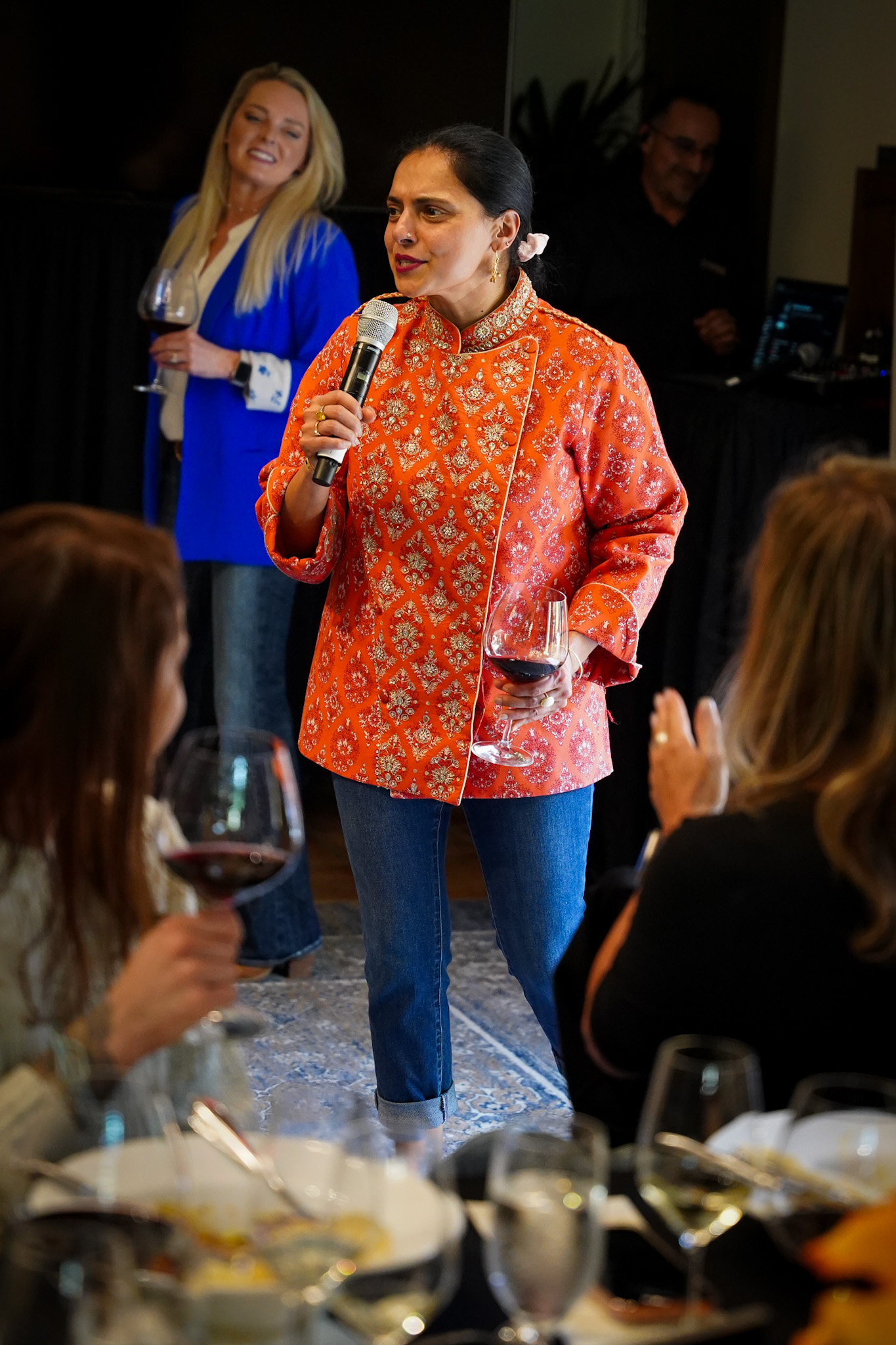
James Beard Award-winning chef, two-time Tournament of Champions champion, and co-founder of Morph Hospitality Group in Nashville, Maneet Chauhan has spent her career sharing the remarkable depth and diversity of Indian cuisine with audiences across America. Her critically acclaimed cookbooks, Flavors of My World and Chaat, reflect a culinary philosophy rooted in the vibrant street food culture and rich regional traditions of her upbringing — and in a particular kind of curiosity that, it turns out, she developed at a very young age.
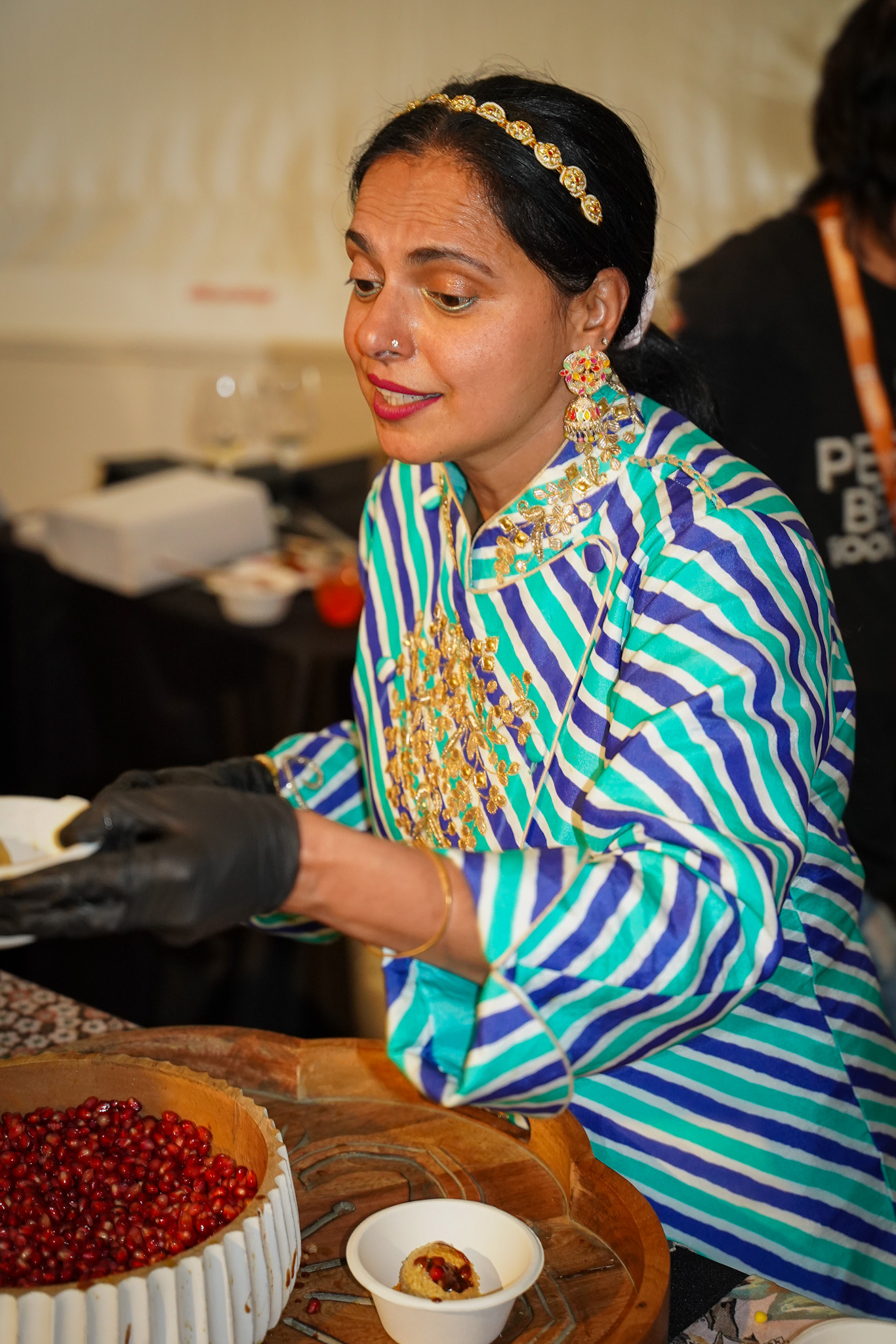
CLP: Your culinary perspective is deeply shaped by your upbringing in India and exposure to vibrant street food culture. How have those early influences continued to inform the way you approach flavor, hospitality, and storytelling through food today?
MC: “I grew up in a small community with people from all over India. In India, every region has a distinct cuisine of its own, so I would walk down the street and tell my neighbors that my parents hadn’t fed me after I already had dinner, just to sit in their kitchen and see them cook. That was the foundation of my curiosity for flavor, textures, and exploring new things. I love being invited to cook with people — when I recently went to the Dominican Republic, that’s what I was doing. That basic hospitality of people opening the door and inviting me to come in is something I’ve carried with me throughout my life. In my restaurant, I want people to feel the same hospitality I’ve been shown and to feel at home. That’s very important to me.”
Gabe Bertaccini
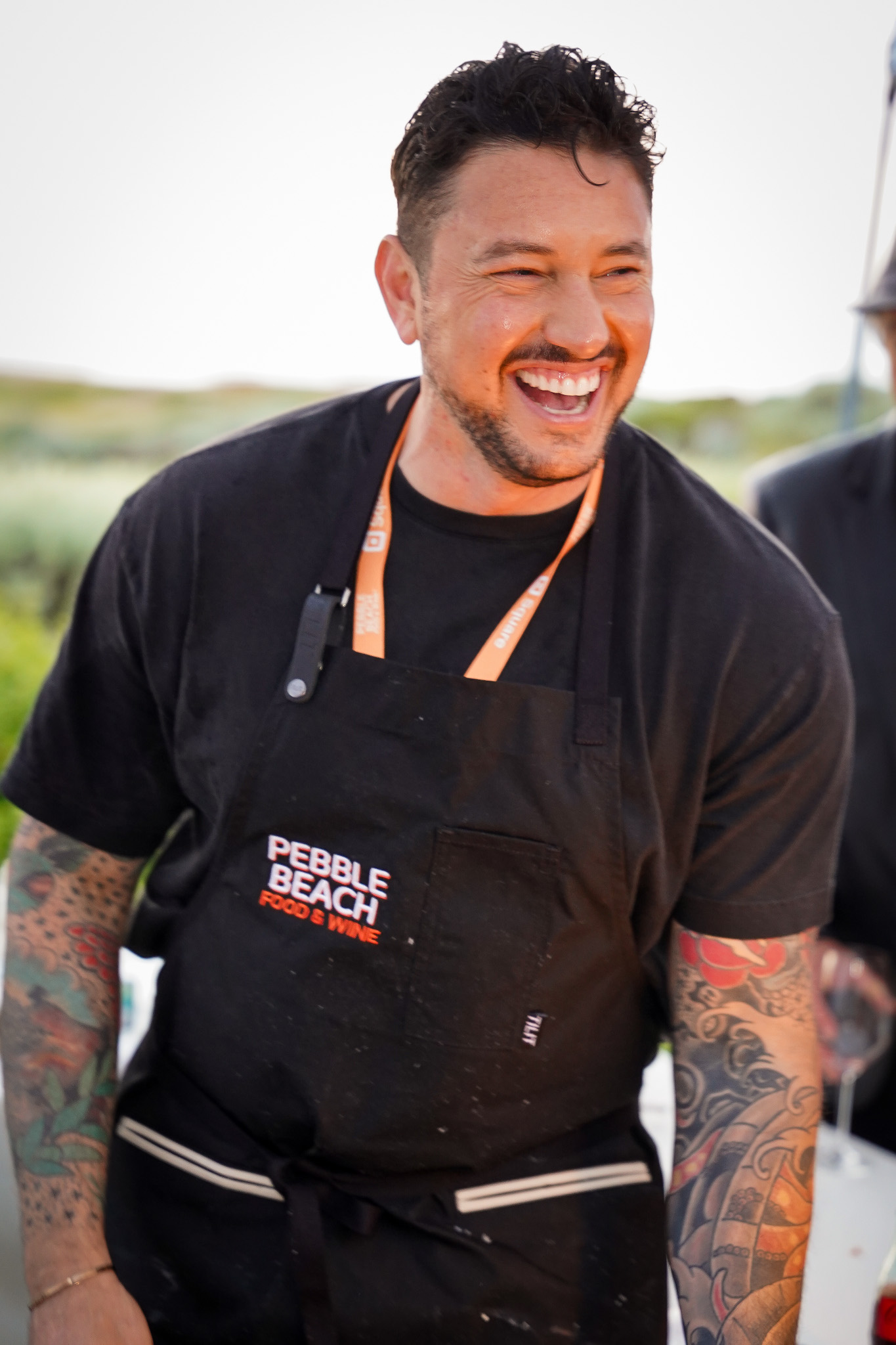
Born in Florence and inspired by his family’s love for food and the landscapes of his native Tuscany, Gabe Bertaccini discovered his passion for cooking as a young boy. He is the founder of culinary experience company Il Tocco Food and the co-host of Food Network’s hit series Ciao House alongside Chef Alex Guarnaschelli — and like Viviani, he will tell you that what shaped him most had nothing to do with culinary school.
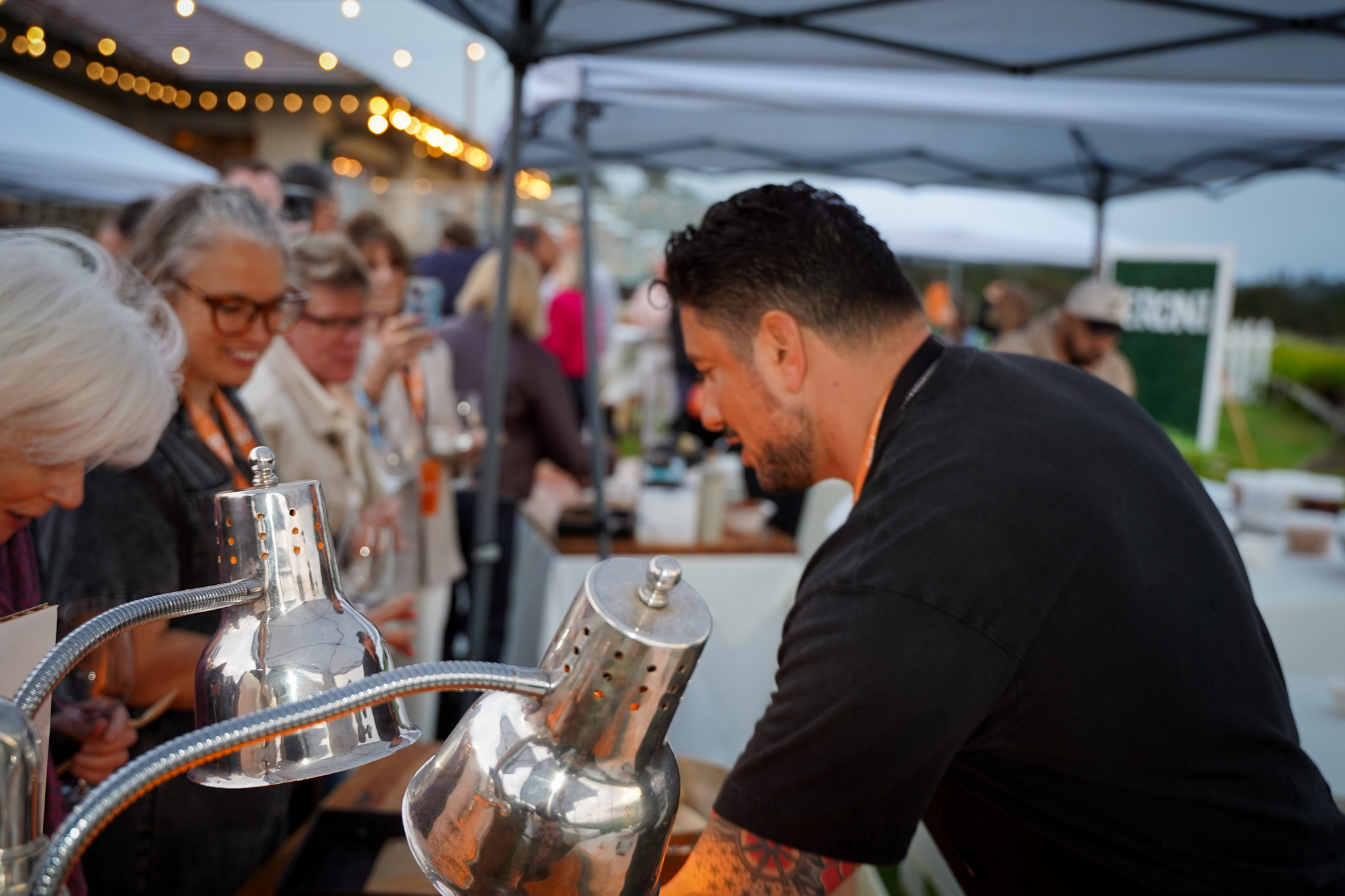
CLP: Growing up in Florence, how did Italian home entertaining culture shape the way you think about gathering people around the table?
GB: “In Florence, entertaining wasn’t an ‘event.’ It was just life. Doors were open. Neighbors came by. There was always more bread than you needed and always someone’s nonna adjusting the sauce. It wasn’t about perfection — it was about generosity. Italian home culture taught me that the table is democratic. Everyone sits. Everyone eats. You don’t rush. You argue. You laugh loudly. You pass the bowl again. There’s no separation between the kitchen and the dining room. That shaped everything for me. Even now, whether I’m doing a pop-up in New York or cooking at a festival, I want that same feeling — long tables, shared platters, food meant to be passed, not posed for. Hospitality, to me, isn’t performance. It’s inclusion.”
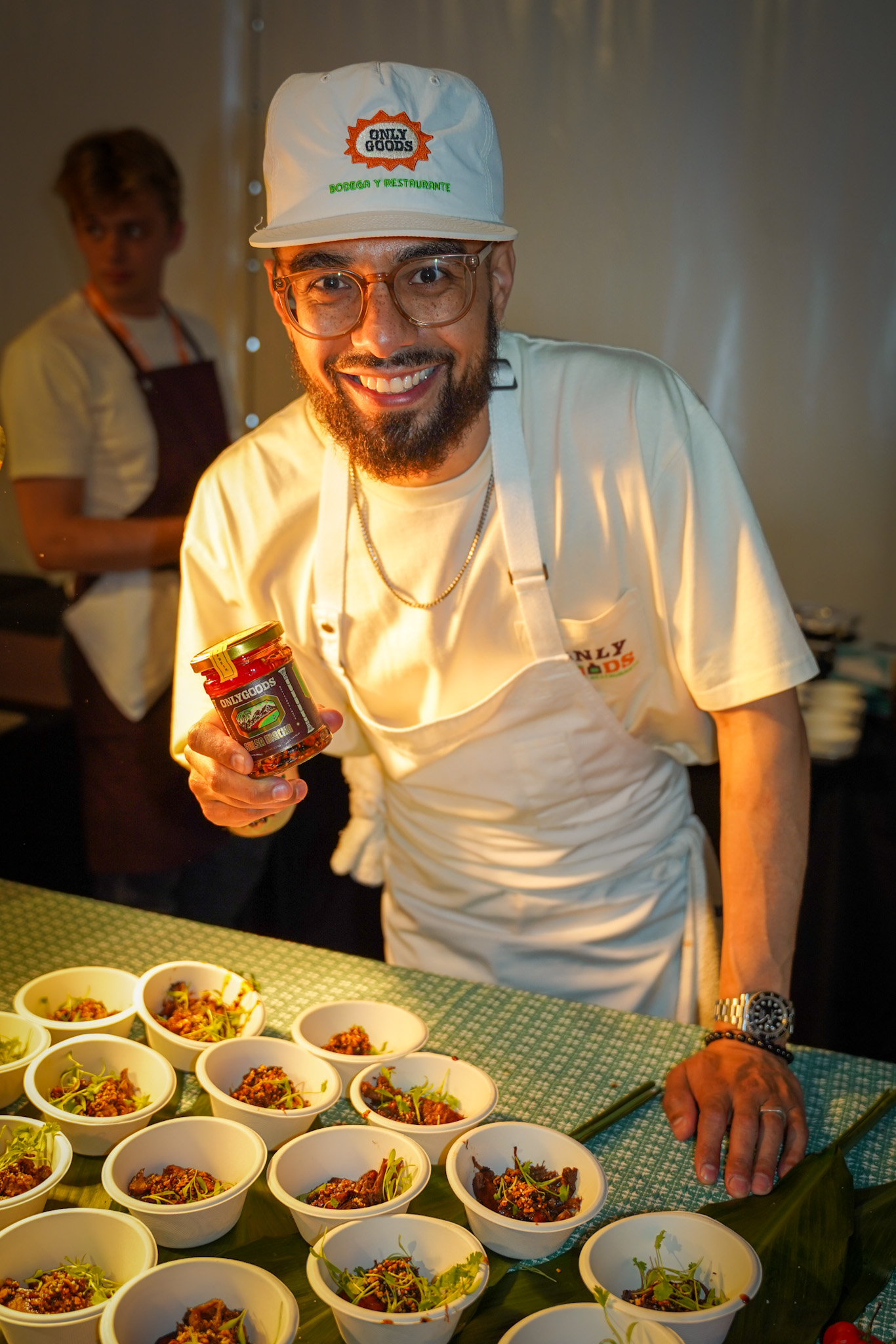
Danny Garcia
Danny Garcia, winner of Top Chef Season 21 and James Beard Semi-Finalist for Emerging Chef 2025, is the founder of the eagerly anticipated Only Goods NYC. His cooking is bold, deeply personal, and unmistakably shaped by the culinary traditions of his Dominican and Puerto Rican heritage — a background in which food wasn’t a hobby or a profession, but a love language.
CLP: How did growing up in a Dominican and Puerto Rican household shape your understanding of flavor and hospitality?
DG: “Growing up in a Latin household, every gathering and event revolved around food and a dinner table. Cooking together is the way we share our love with one another.”
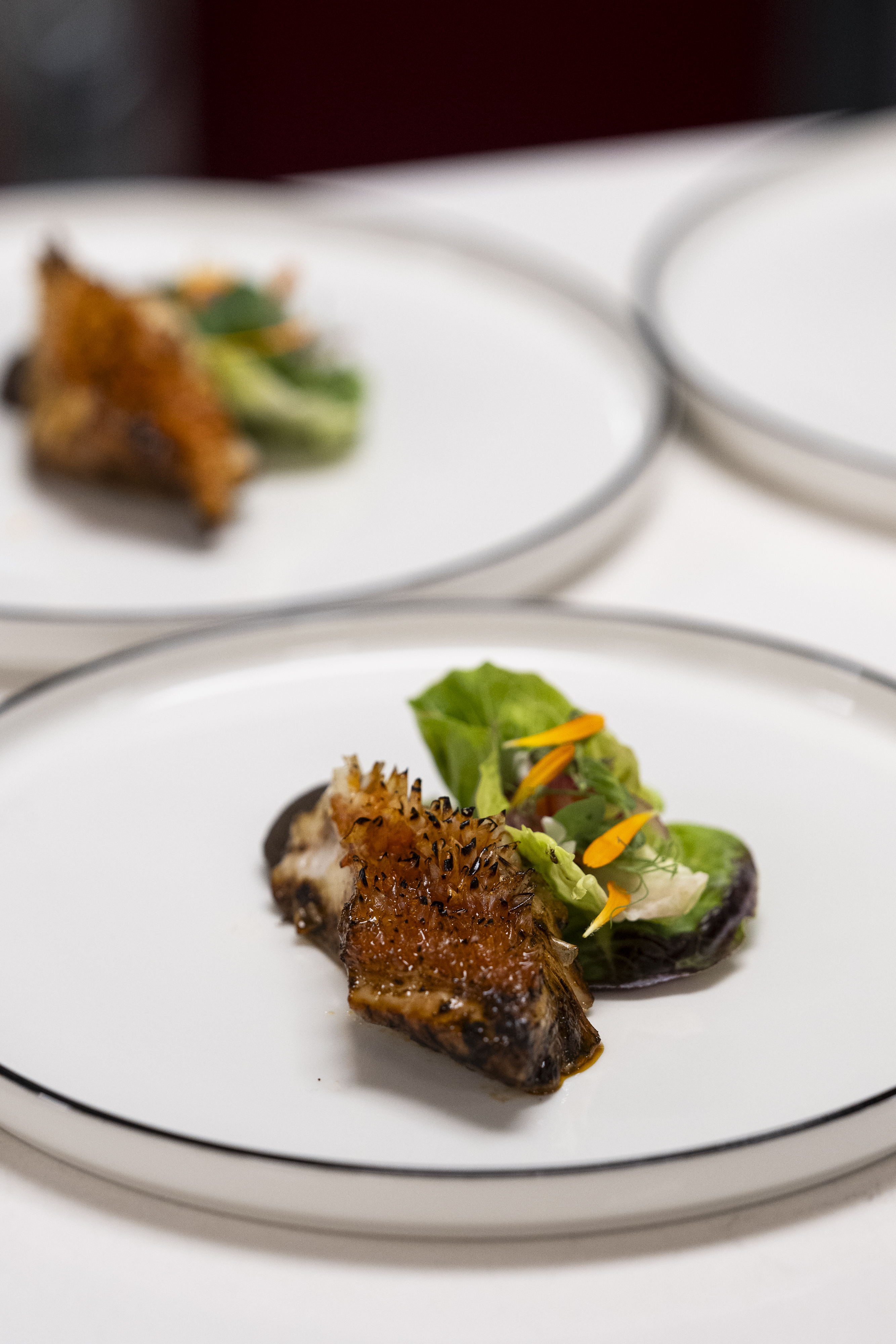
CLP: Many home cooks want to introduce bolder flavors when entertaining, but worry about overwhelming guests. What’s your advice for balancing vibrancy with approachability?
DG: “Don’t be afraid of flavor. Bold is good as long as it’s balanced. Salt, acid, heat, and spice all play a role and should all be used when cooking. The trick is to not overdo one or the other.”
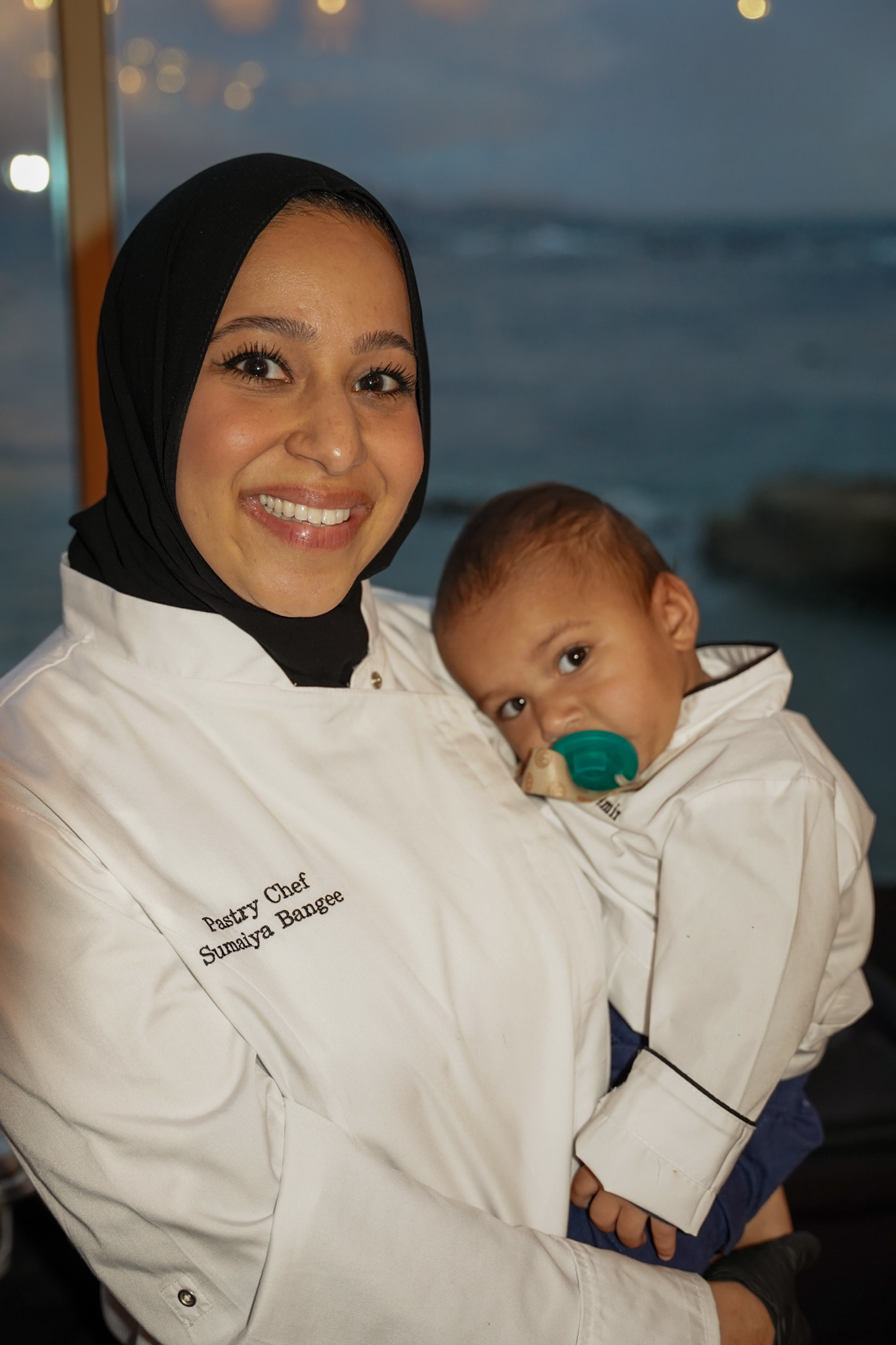
Sumaiya Bangee
Of all the chefs I had the pleasure of speaking with at this year’s festival, Sumaiya Bangee offered perhaps the most unexpected and genuinely moving answer to the question of what shapes a cook — and it had very little to do with the remarkable kitchens she has worked in.
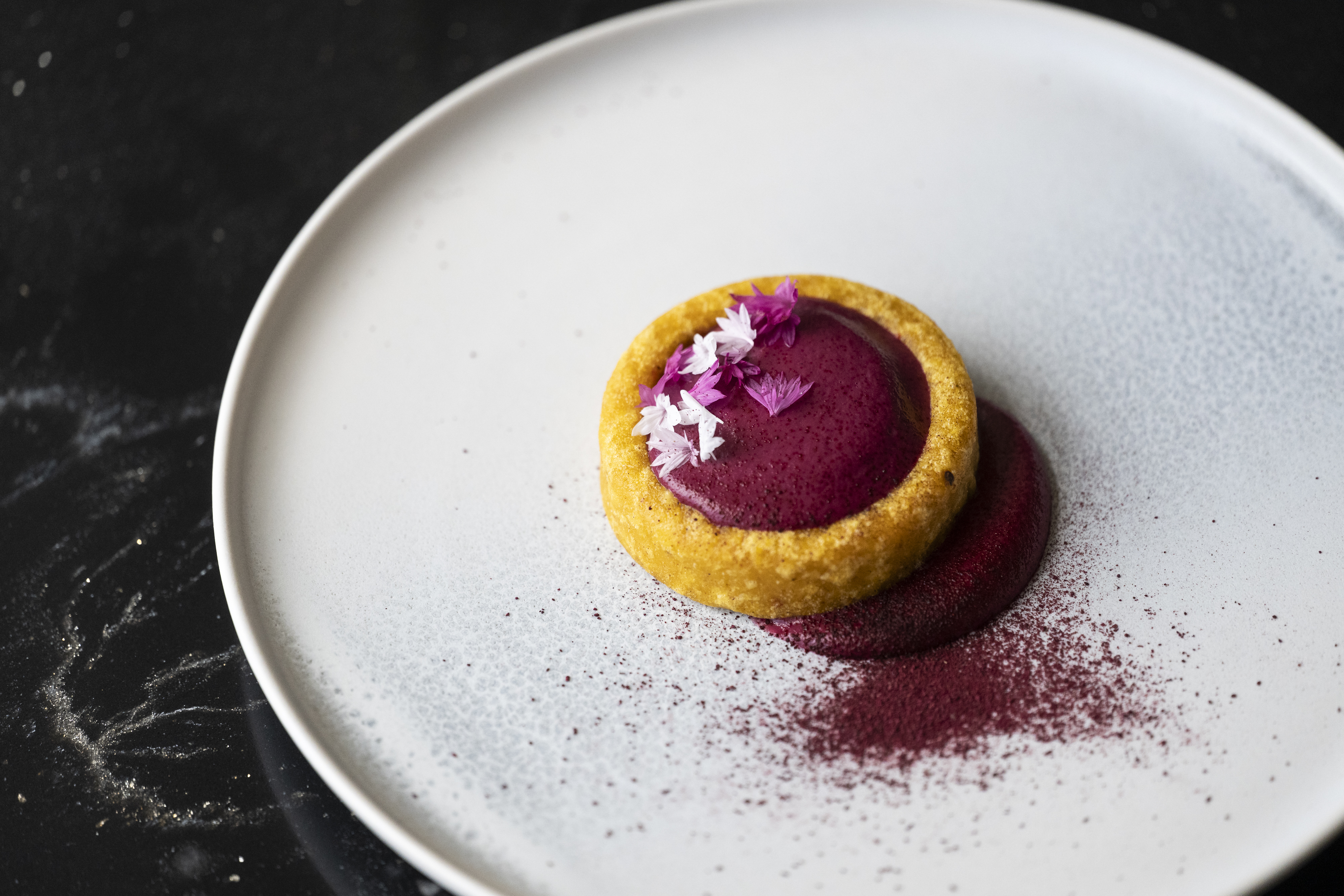
In addition to being Danny Garcia’s wife, Sumaiya Bangee is a pastry consultant and founder of her own New York City-based consulting practice — the first of its kind in the city. Her career includes Eleven Madison Park during its tenure as the world’s number one restaurant, Michelin-starred Crown Shy and SAGA, and two Michelin-starred Vea and Wing in Hong Kong. Born and raised in Southern California to a Muslim South Asian family, she traces the roots of her culinary calling not to a specific cuisine or a particular technique, but to a deeply held spiritual belief.
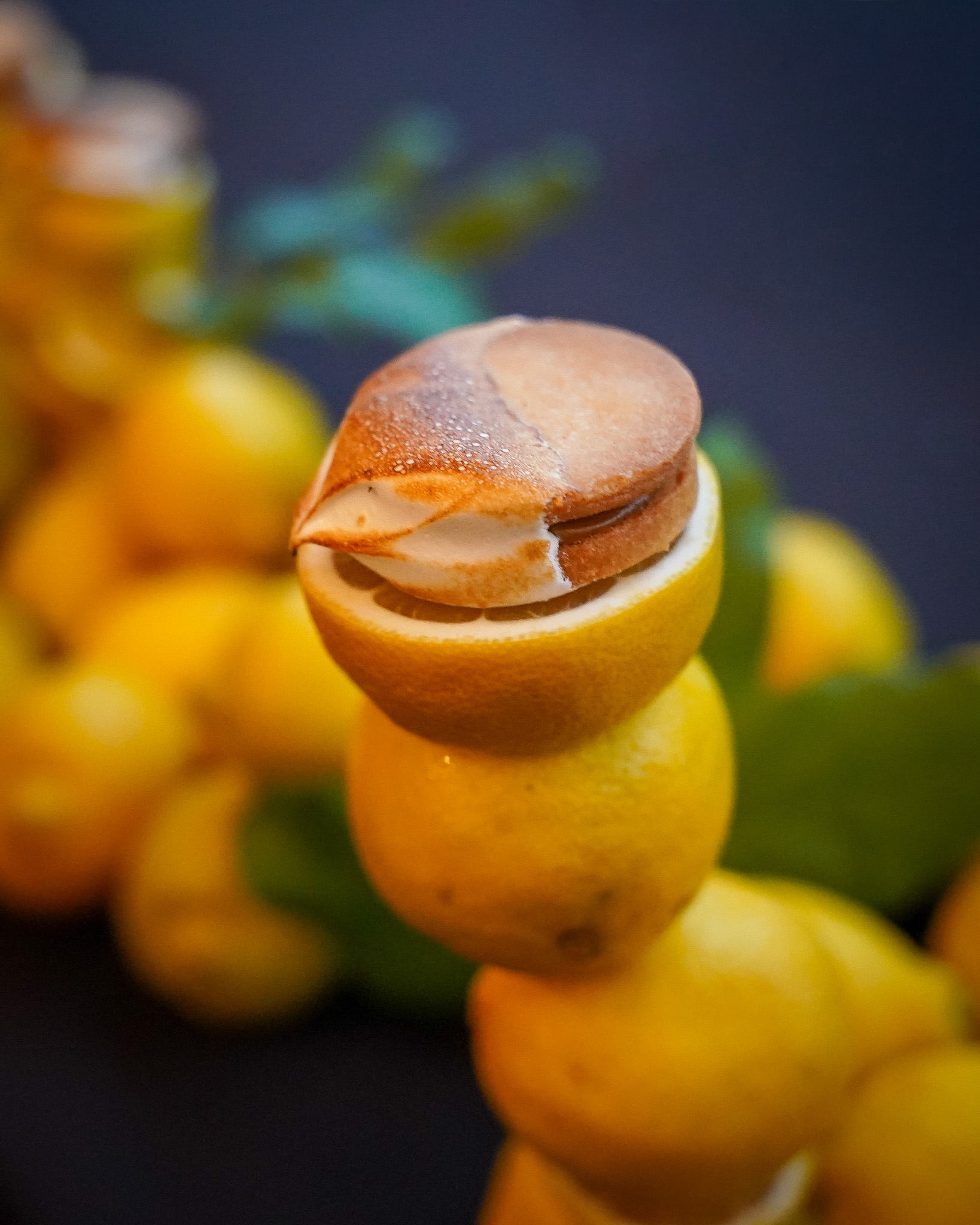
CLP: How has growing up in a South Asian Muslim family in Southern California influenced your approach to creating outstanding pastries?
SB: “Who I am impacts everything I do. I am fully myself in every room and project I am involved in. Being South Asian doesn’t really influence my flavors because it isn’t the culture I feel most connected to. Being Muslim, and the culture and influence around that, is what I connect to the most — so my determination, my honesty, my drive are very much influenced by the Islamic practice of excellence.
So much about our beliefs is rooted in sharing, hospitality, and taking care of each other. We actually view cooking and feeding people as a sign of worship, as it is such a deeply spiritual thing. So to answer your question, being Muslim and South Asian doesn’t necessarily influence flavors, but it influences how I operate, how I step into the industry, and where my love for feeding, nourishing, and caring for others through food comes from.”
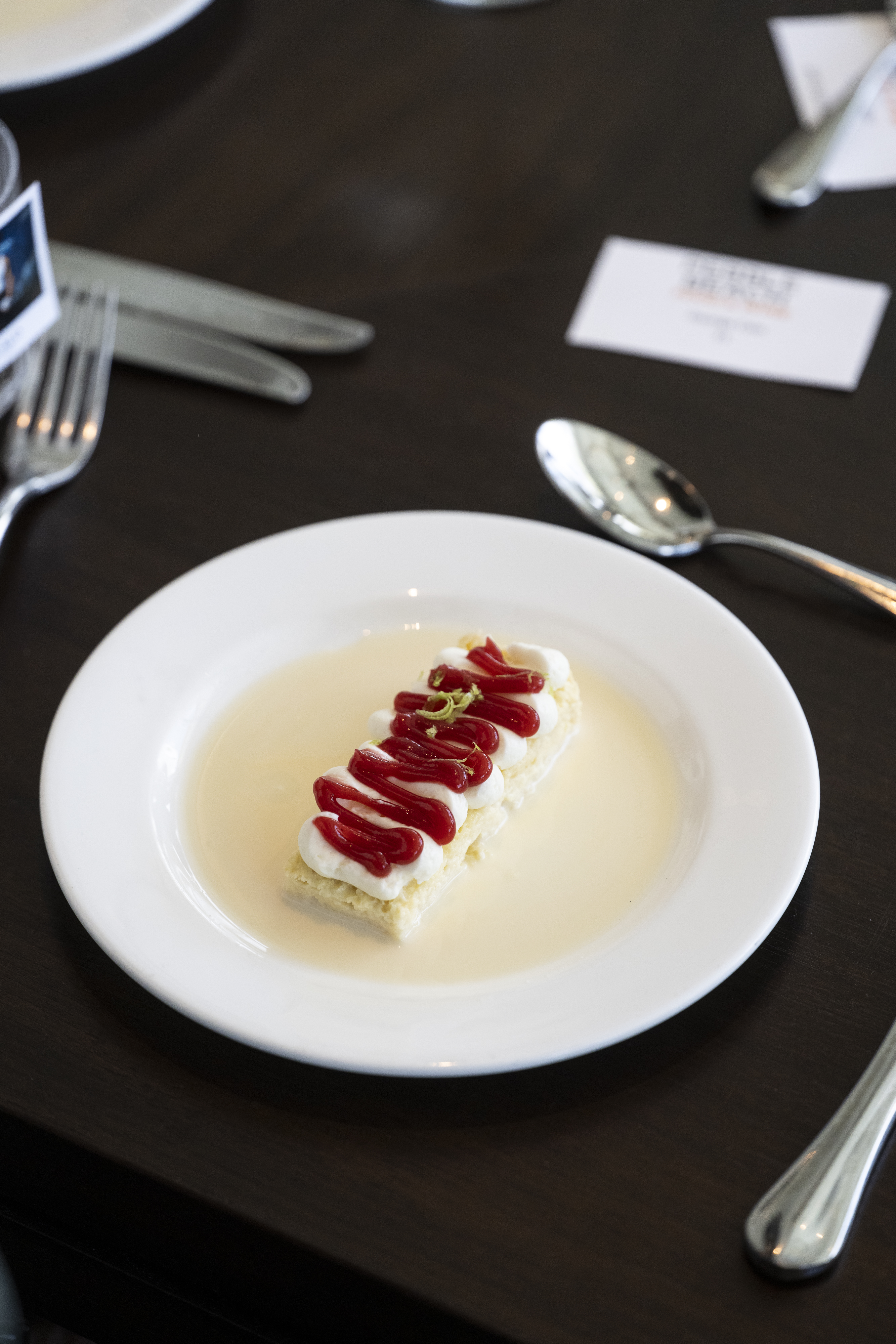
While these six illustrious chefs come from different corners of the world, what unites them is one shared belief: that what you put on the plate is never separate from who you are and where you come from.
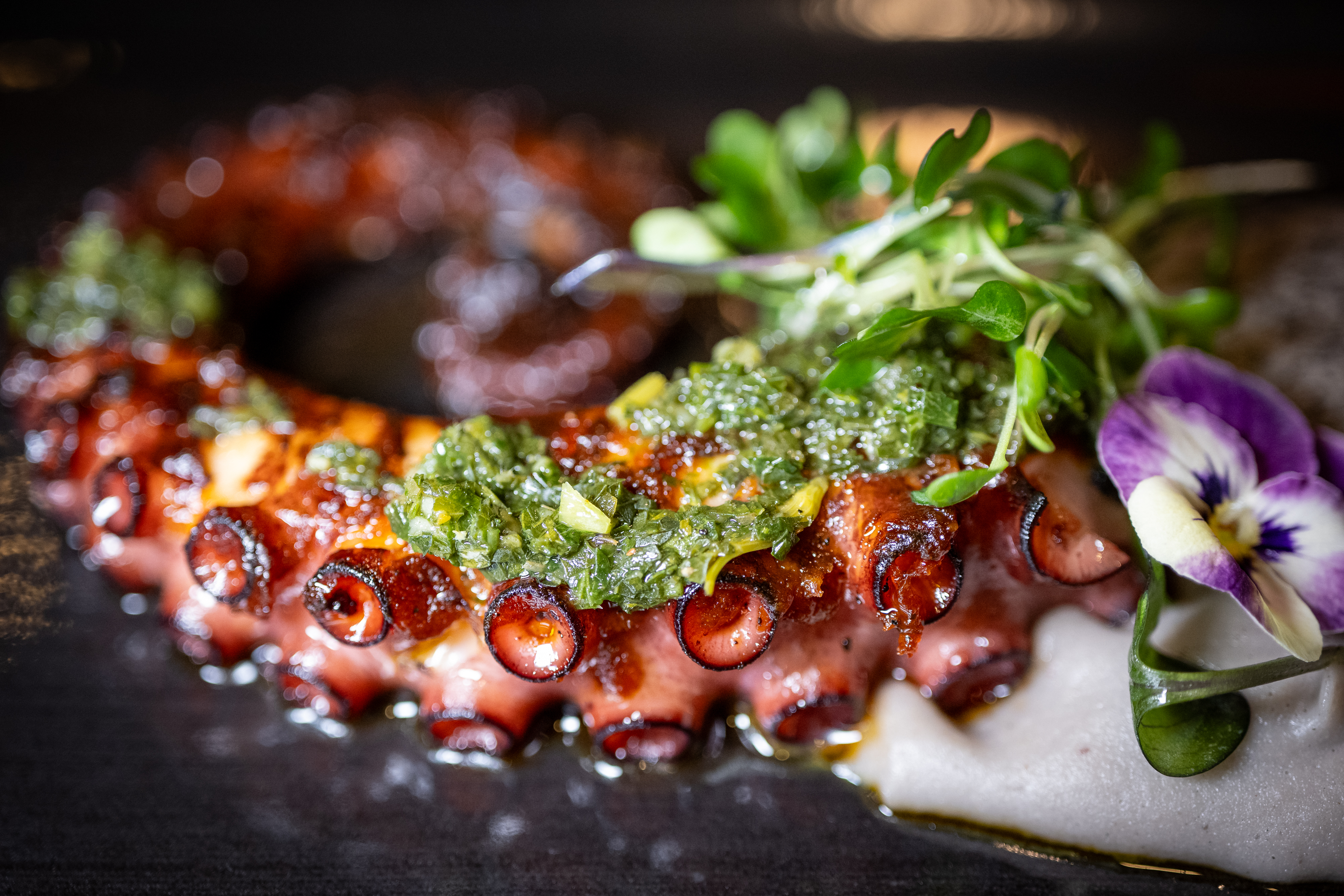
Whether it’s the democratic spirit of an Italian table, the insatiable appetite (and curiosity) of a child joyfully walking into a neighbor’s kitchen, or a faith-driven belief that feeding people is among life’s most meaningful acts, the thread running through each of these stories is the same: great cooking begins long before the first ingredient is measured.
Stay tuned for the next installment in this series from Inspirations & Celebrations, where these chefs share their expertise on home entertaining and elevated cooking — practical, inspiring, and drawn straight from some of the world’s most celebrated kitchens.
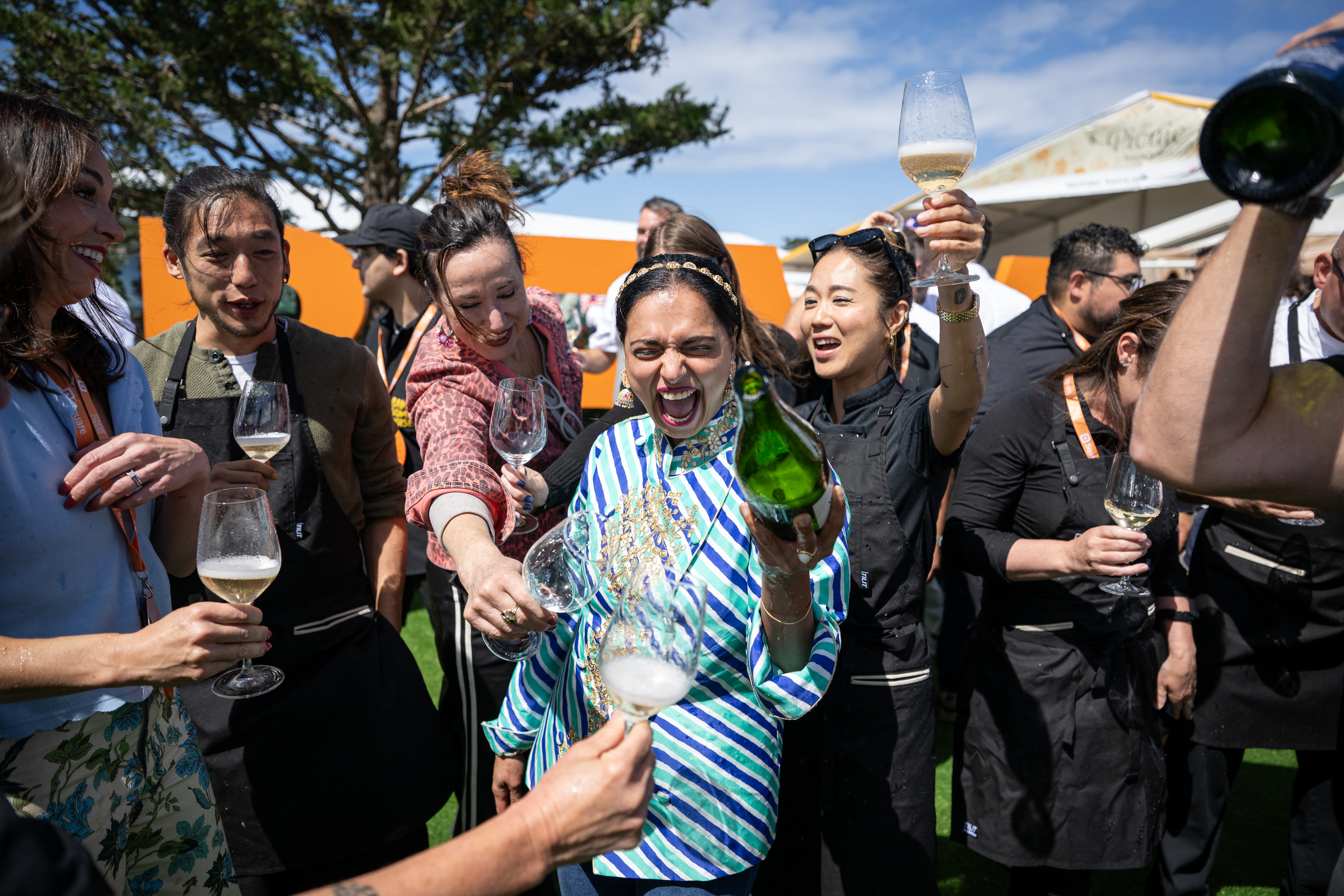
[Image credits: Christina-Lauren Pollack for Inspirations & Celebrations; Gamma 9 for Pebble Beach Food & Wine. Media access courtesy of PBFW. All opinions are my own.]