
Just weeks before Monterey Car Week, Pininfarina brought its story to an international audience in an entirely different setting: the Italian Contemporary Film Festival in Toronto, where the documentary Story of a Legend premiered.
Told through nearly a century of archival footage and testimonies from figures like Piero Ferrari, Giorgetto Giugiaro, and Luca Cordero di Montezemolo, the film’s directors, Marina Loi and Flavia Triggiani, put it simply: Pininfarina’s elegance is “timeless, recognizable, and enduring” — so much so that the only car on permanent display at MoMA, the Cisitalia, is one of theirs, described as a “rolling sculpture.”
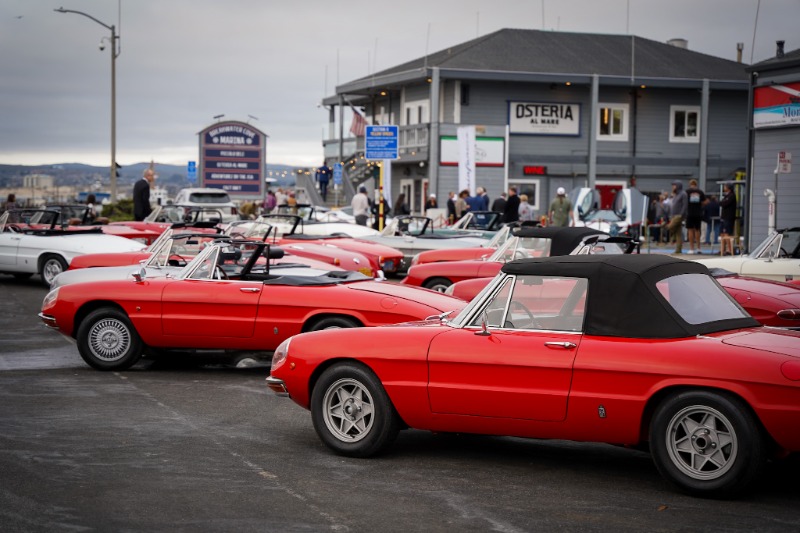
That same idea — design built to outlast the decade it was born in — is exactly what brought Pininfarina to the Monterey Peninsula on August 15, 2026, for Duetto Day, a celebration of 60 years of the Alfa Romeo Spider “Duetto.” As Pininfarina heads toward its own 100th anniversary in 2030, the timing wasn’t incidental. It was the thesis of the entire celebration.
Duetto Day: A Celebration of an Icon
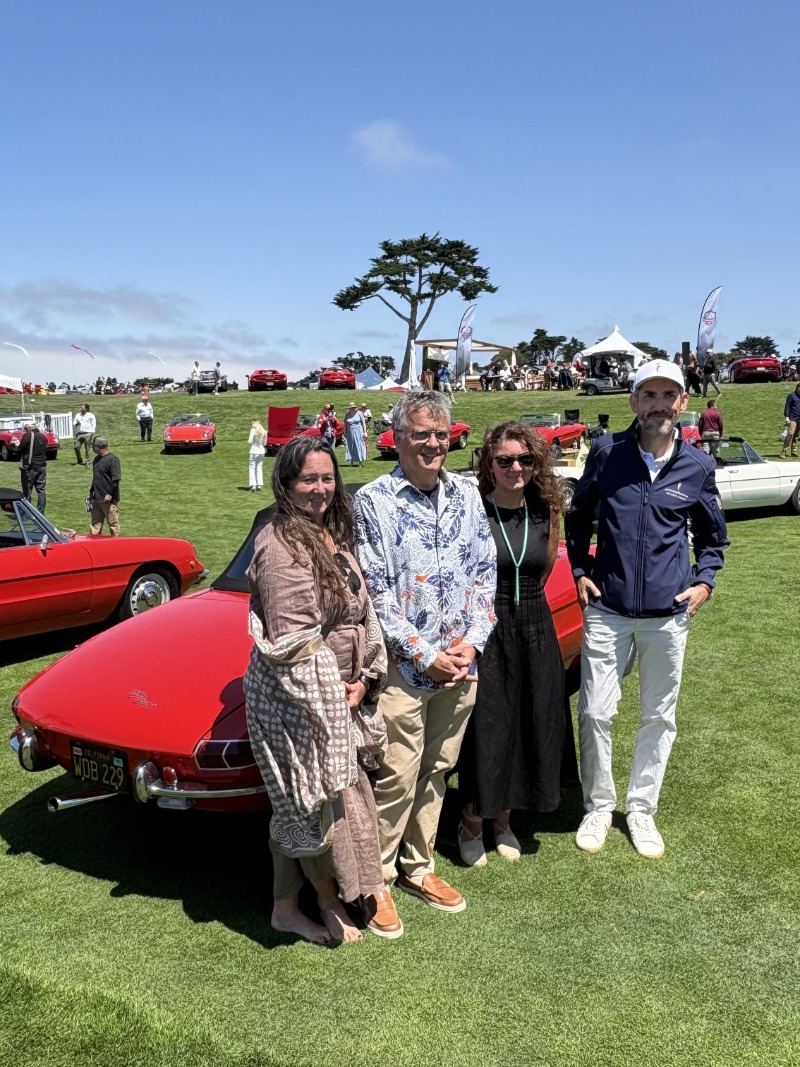
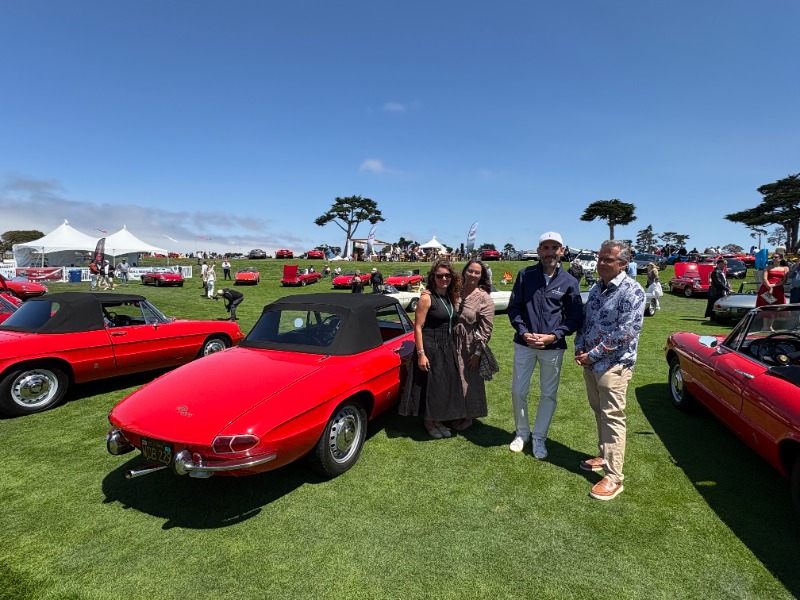
Duetto Day began that morning at Concorso Italiano, the 41st annual gathering of Italian automotive excellence at Bayonet Black Horse Golf Course, where the event served as the first official stop on the Duetto’s 60th-anniversary tour. Nearly 50 Alfa Romeo Spiders gathered on the fairway as anchorwoman Savina Confaloni introduced Pininfarina CEO Paolo Dellachà alongside Maria Laura Luraghi, granddaughter of Giuseppe Luraghi, to present the Concorso Italiano Duetto Award — a custom car cover crafted by Goodwool.
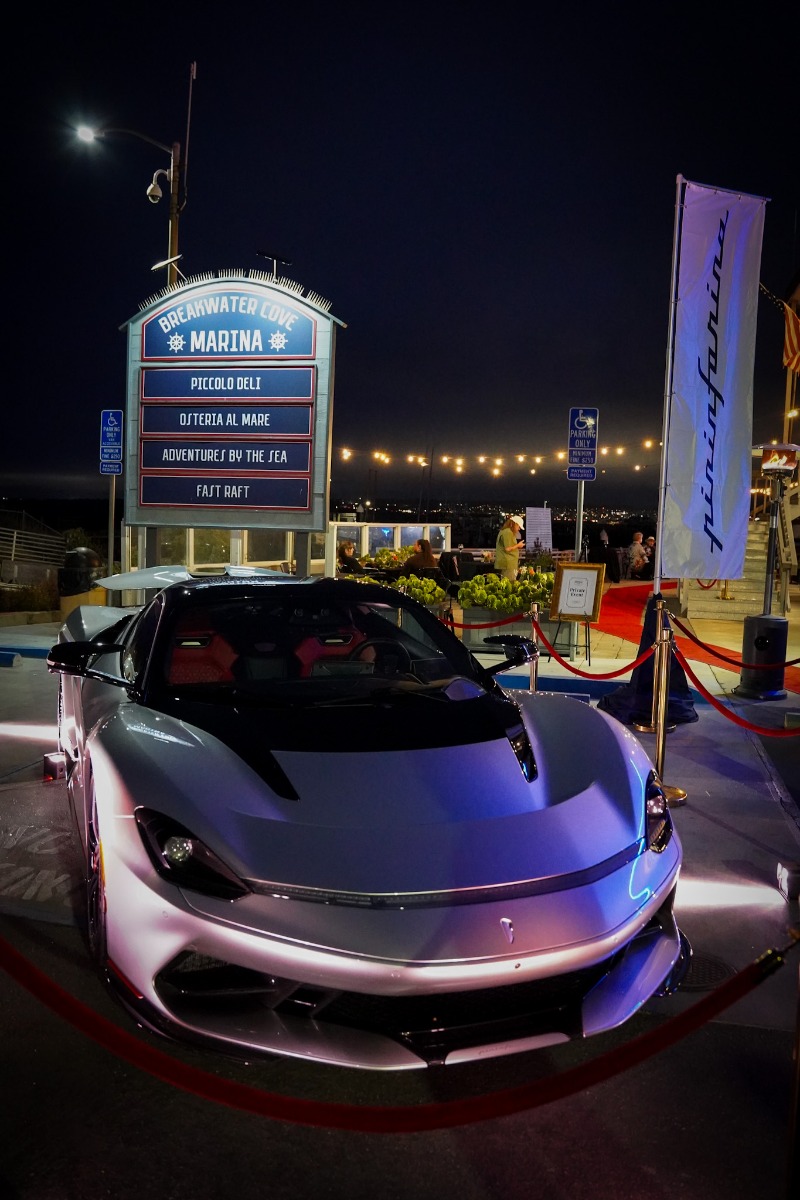
From there, the Duettos departed in convoy for an afternoon showcase at the Monterey Motorsports Festival, before the day’s celebrations concluded that evening overlooking Monterey Bay at a VIP Pininfarina cocktail reception on Cannery Row.
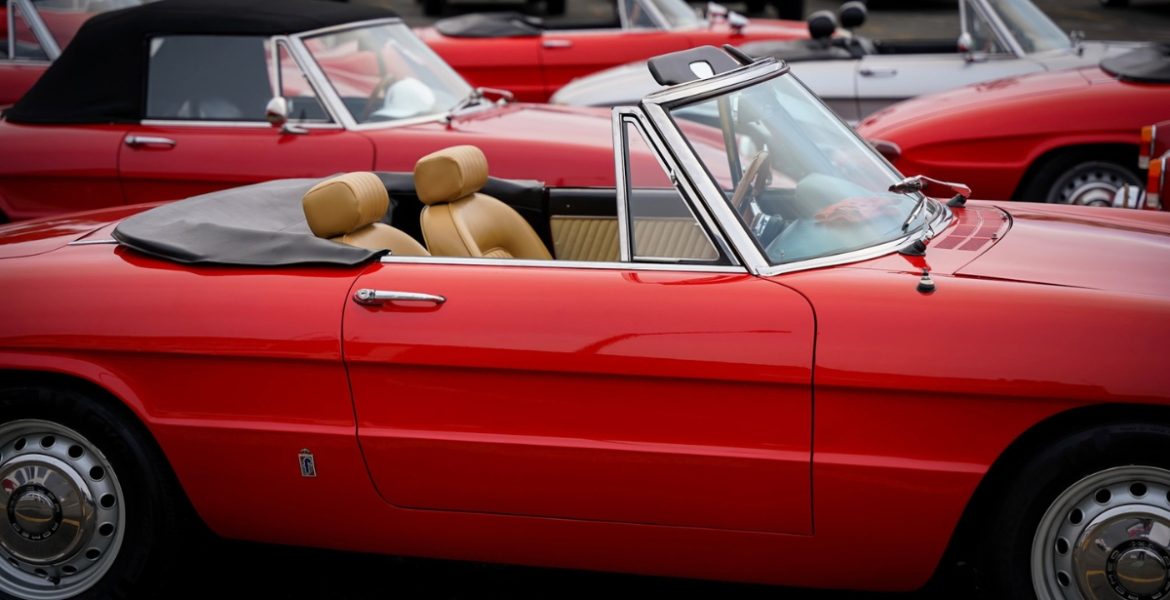
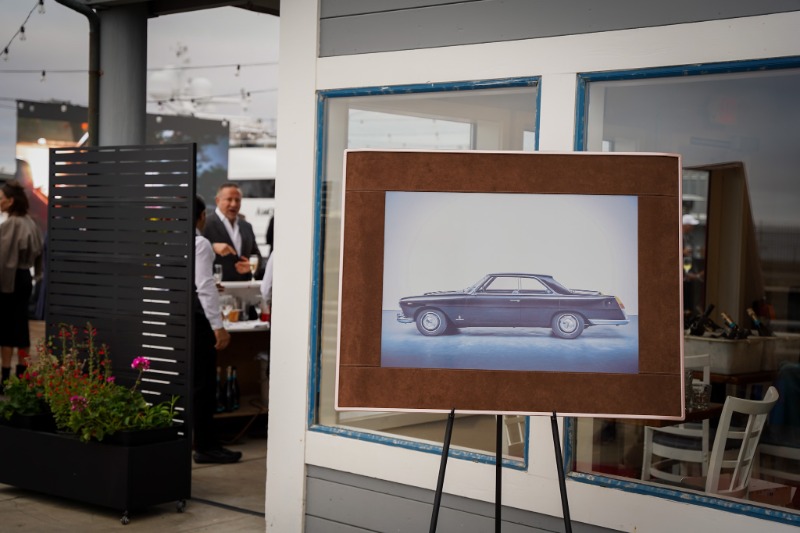
Introduced in 1966 and produced through 1994, the Duetto (which is a nickname for the Spider) has become an icon in its own right. Its cultural footprint turned the car into an international star when it was driven by Dustin Hoffman’s character in The Graduate, cementing the car as a symbol of freedom and open-road Americana as much as Italian design.
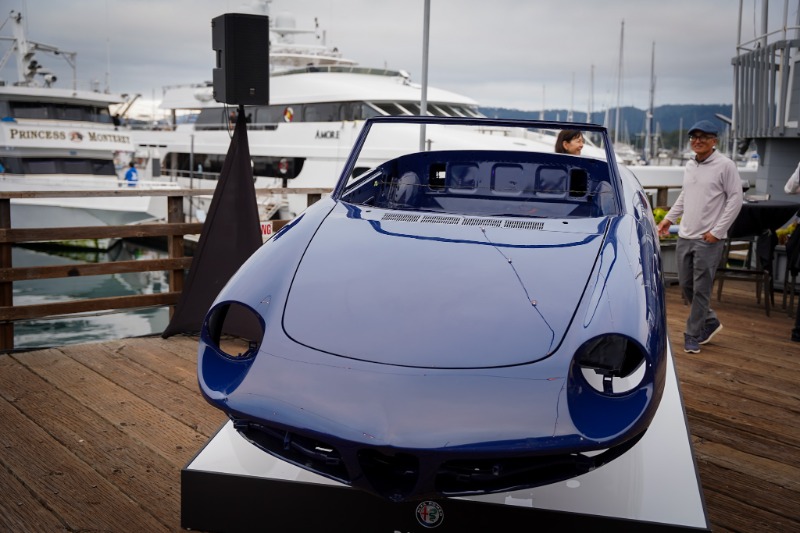
At the Cannery Row reception that evening, Dave Amantea, Pininfarina’s Chief Creative Officer, took the stage to present the Pininfarina Duetto Award — the evening’s own tribute, distinct from the morning’s Concorso Italiano honor.
Amantea has been recognized as an award-winning automotive designer, notably receiving a 2025 Automotive News Europe Rising Star in the Design category, Bloomberg 50 “One to Watch” for 2023, and other honors. Pininfarina’s official tagline, “We move dreams,” carries a weight that its founder, Battista “Pinin” Farina, could have only imagined. For Amantea, that tagline is a literal description of his illustrious career.
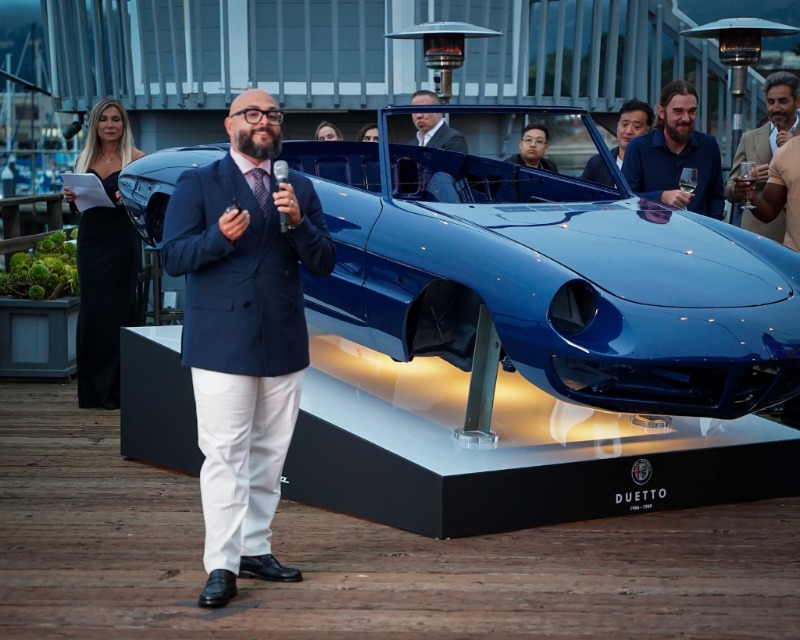
Growing up ten minutes from the Pininfarina facility in Turin, he fell in love with car design at just eight years old after a wealthy collector let him sit behind the wheel of a coachbuilt Ferrari at a Coffee & Cars meet. In a striking twist of fate, the Pininfarina family eventually helped launch his career, enabling him to realize the very future he imagined as a boy. His recent promotion to Chief Creative Officer brings his narrative full circle, transforming a childhood dream into a profound professional milestone.
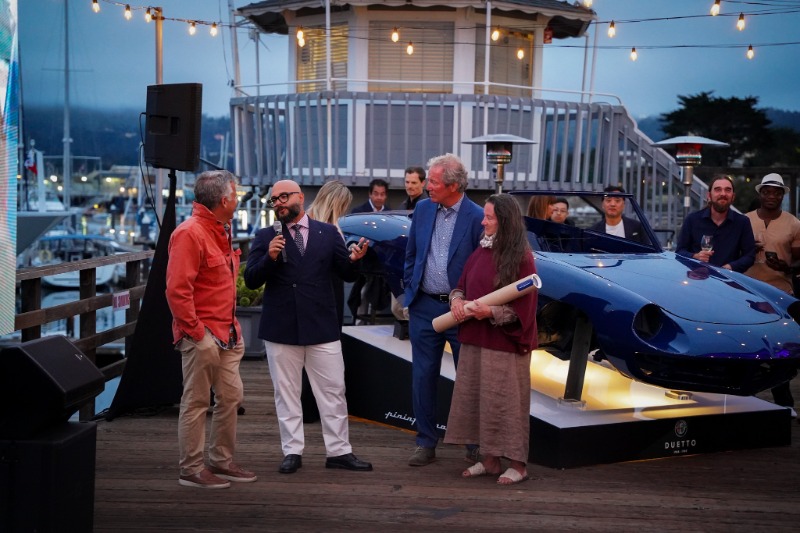
“The magic of design and the secret of Pininfarina is to create something that is a collectible, from one generation through the next generation,” he told the crowd, recalling the more than 50 Duettos admired earlier that day. “All cars could be and should be eligible for an award,” he added, “but we decided that this evening a 1967 Alfa Romeo Duetto in red color definitely opened our hearts more than the other.” The award went to owners Lori Wheeley and Michael Ingegno.
In Conversation with Paolo Dellachà
Pininfarina CEO Paolo Dellachà (who took the helm of Pininfarina S.p.A. in December 2025 after leading Automobili Pininfarina since 2023) shared insights into the Duetto’s legacy and the design house’s road ahead.
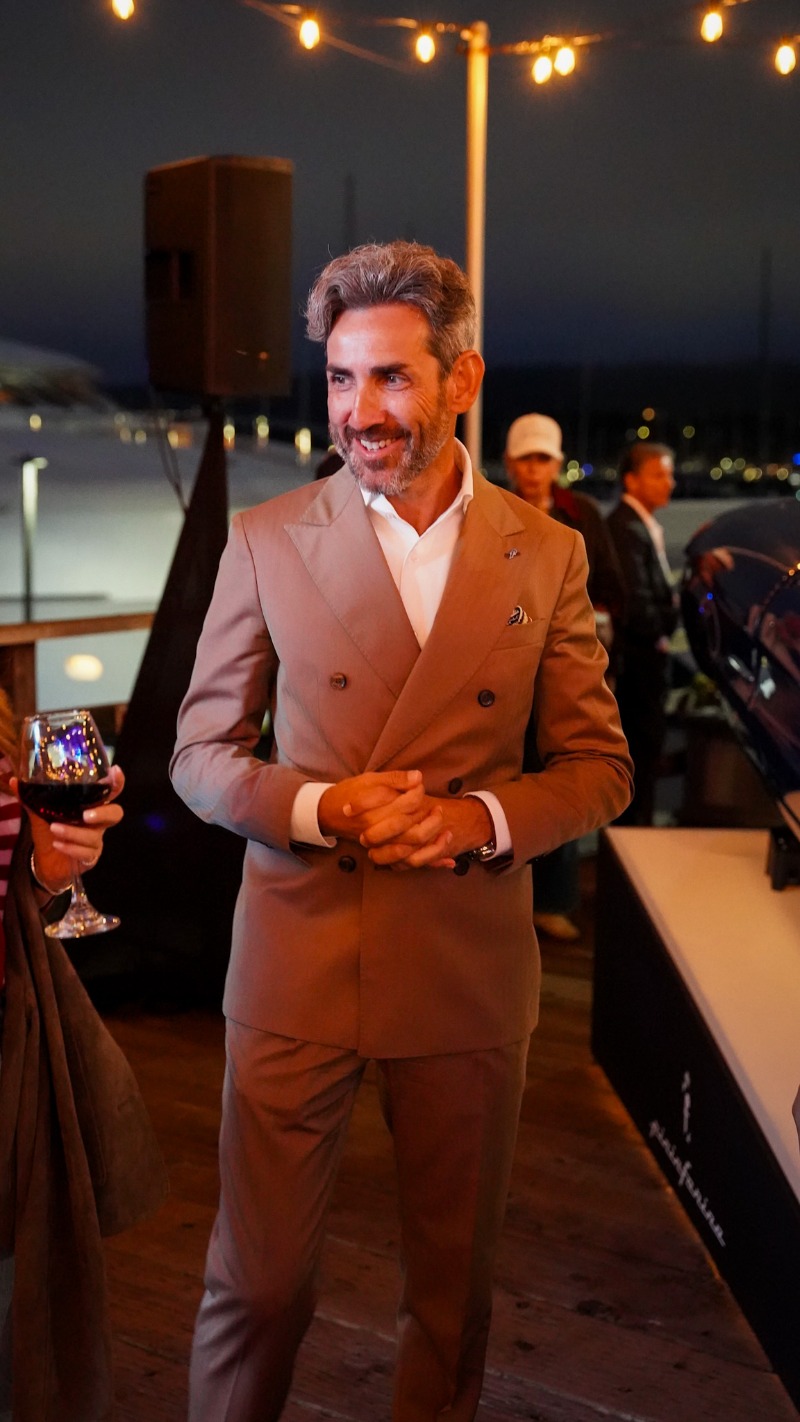
CLP: What does it mean personally to celebrate 60 years of a car your house designed?
PD: “It is an honour. Like many people of my generation, I grew up admiring cars that proudly carried the ‘Design by Pininfarina’ signature, and the Duetto has always been one of the purest expressions of that heritage. Celebrating its 60th anniversary is not simply about looking back at an iconic automobile; it is about recognising a design that has continued to inspire generations. For everyone at Pininfarina, it reminds us that great design has the power to transcend time.”
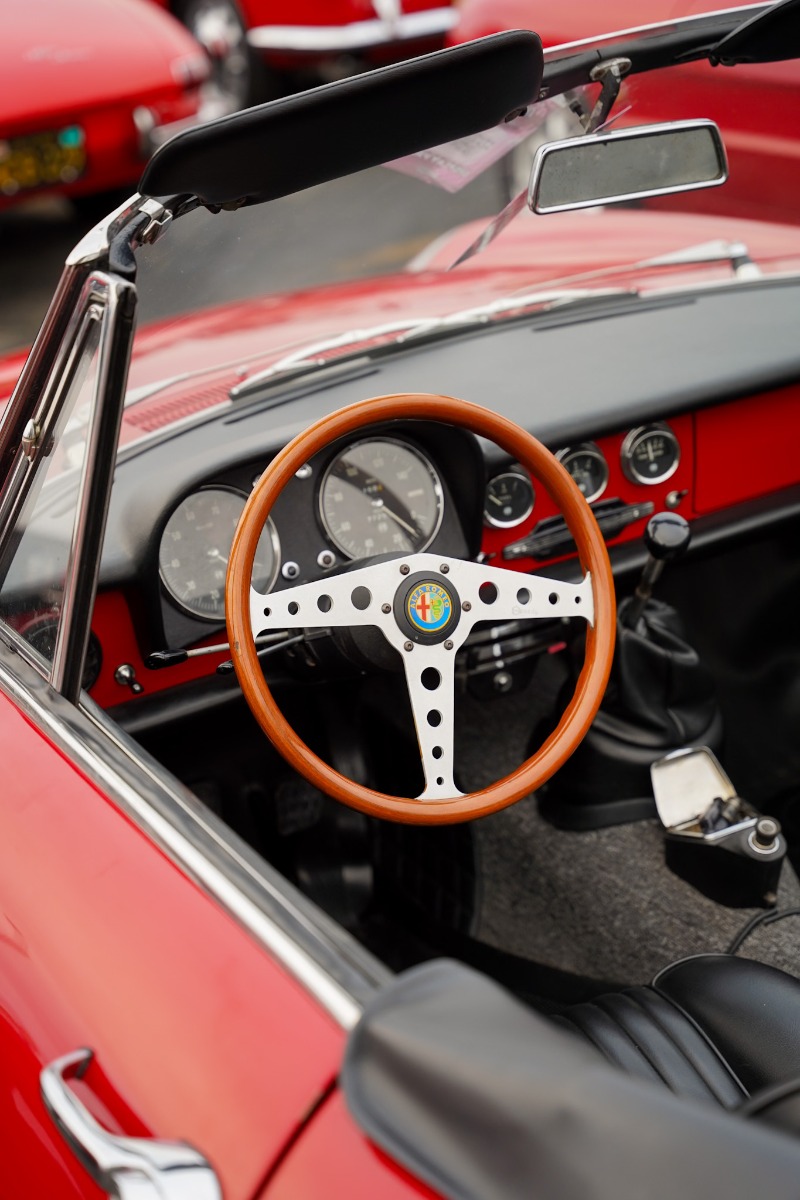
CLP: What made the Duetto’s lines so enduring that they still read as modern six decades later?
PD: “The Duetto is a perfect example of what happens when proportion, simplicity and emotion come together in harmony. It avoids unnecessary styling gestures and instead relies on purity of form, balanced surfaces and elegant proportions. Those principles never become obsolete because they are rooted in timeless design rather than fashion. At Pininfarina, we have always believed that beauty comes from restraint and clarity, and the Duetto remains one of the finest demonstrations of that philosophy.”
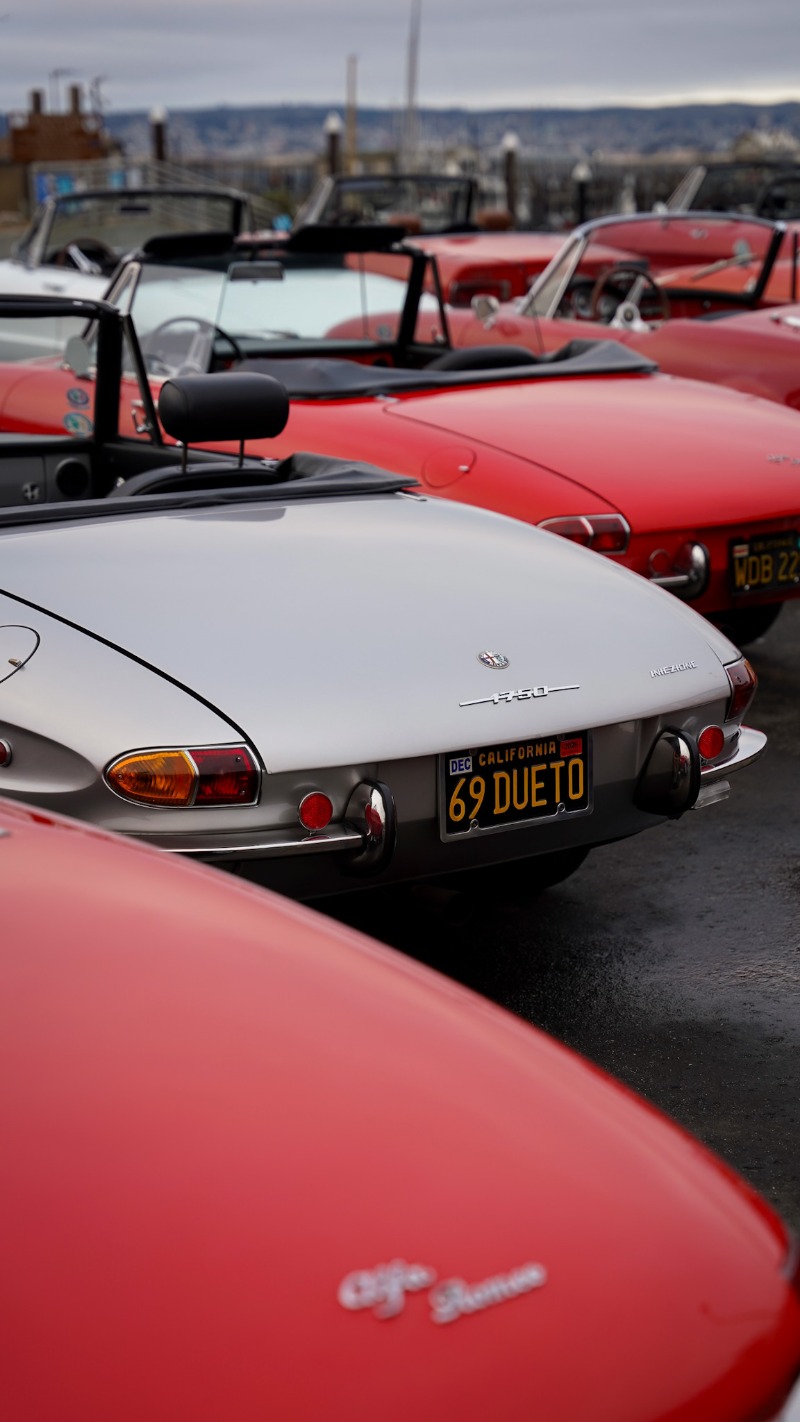
CLP: What criteria is the judging panel using for the Duetto Award at this year’s celebration?
PD: “The Duetto Award is intended to celebrate more than originality alone. We are looking for authenticity, respect for the spirit of the car, and an understanding of why the Duetto became an icon in the first place. Whether we are evaluating preservation, restoration, or the way owners keep the Duetto culture alive, the common thread is excellence, passion, and the ability to communicate the timeless values that the car represents.”
CLP: As someone now leading Pininfarina S.p.A. itself, how does an anniversary like this shape the way you think about the studio’s archive as a living design asset rather than just history?
PD: “Our archive is not a museum; it is a source of inspiration. Every project tells us something about proportion, innovation, craftsmanship, and the relationship between beauty and functionality. We do not revisit our history to reproduce it, but to understand the principles that made these designs endure. Those same principles continue to guide our work today, whether we are designing a vehicle, a building, or a completely different product. Heritage becomes valuable when it helps create the future.”
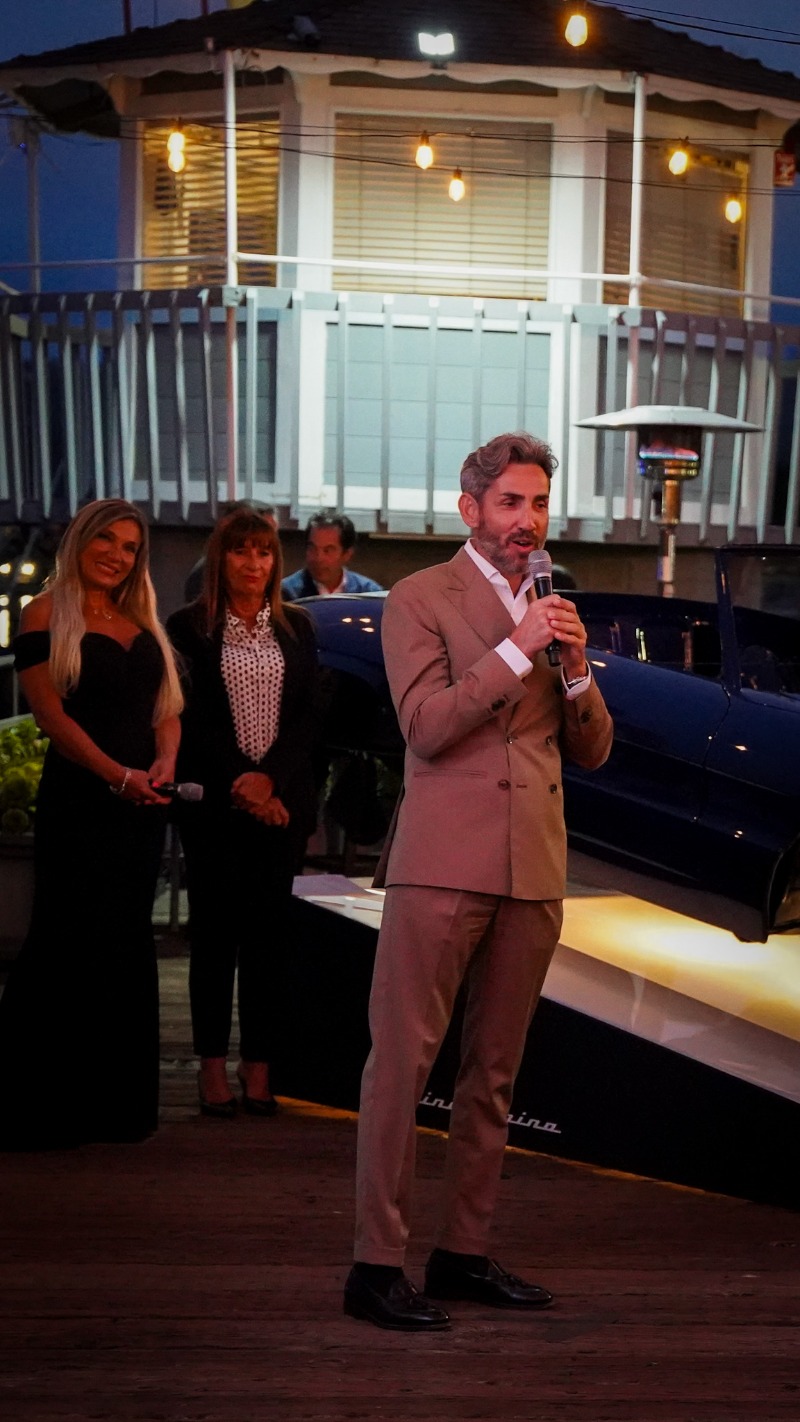
CLP: Pininfarina’s design work now spans well beyond cars — coachbuilding projects like the Morgan Midsummer, the AC Future living-space collection, styling the Foxconn Model B, award-winning architecture. Is there a common design thread running through all of it?
PD: “Absolutely. The sectors may be different, but our design philosophy remains the same. We always seek harmony between beauty, functionality and innovation. The disciplines continuously enrich one another; knowledge developed in automotive can influence architecture, while human-centred thinking from architecture can inspire mobility or product design. Regardless of the project, our ambition is always to create experiences that are elegant, meaningful and designed to last.”
CLP: How much of your attention as CEO goes toward that non-automotive design work versus the car brand specifically?
PD: “Automotive remains a fundamental part of Pininfarina’s identity and will always be central to who we are. At the same time, today’s company is much broader than automotive alone. My role is to ensure that all our business areas grow together while remaining faithful to the same design DNA. Whether we are working on mobility, architecture, industrial design, or living solutions, the objective is not diversification for its own sake; it is applying the Pininfarina philosophy wherever it can create value.”
CLP: Where do you see the design business expanding next — more architecture, more lifestyle categories, something new entirely?
PD: “We want Pininfarina to be the most desirable brand designing mobility and living solutions. The way of moving and living for us represents an integrated ecosystem, and our clients are at the center of this ecosystem. We see significant opportunities wherever design can improve people’s experience of mobility and living. Architecture will continue to grow, as will industrial design and lifestyle-related projects. We also see increasing opportunities in integrated solutions that combine design, engineering and technology. The common denominator is always creating environments, products and experiences that are both emotionally engaging and highly functional. Rather than chasing categories, we focus on identifying projects where our multidisciplinary approach can make a genuine difference.”
CLP: With Pininfarina S.p.A. heading toward its 100th anniversary in 2030, what does leadership look like right now — how do you balance protecting nearly a century of design legacy while pushing the studio into new categories?
PD: “Leadership today is about respecting our heritage while ensuring it remains relevant for the future. Pininfarina’s legacy is an extraordinary strategic asset, but it cannot become a constraint. Our responsibility is to preserve the values that have always defined the company — purity, elegance, innovation and humanity — while applying them to new technologies, new markets and new industries. As we approach our centenary, our ambition is not simply to celebrate one hundred years of history, but to build the foundation for the next hundred years of Pininfarina.”
More Than an Anniversary
If Dellachà’s answers made one thing clear, it’s that Pininfarina isn’t treating its history as something to be preserved behind glass. That philosophy was on full display throughout 2026, as the design house extended its reach across categories that have little to do with the automobile at all — several of which surfaced during Monterey Car Week itself.
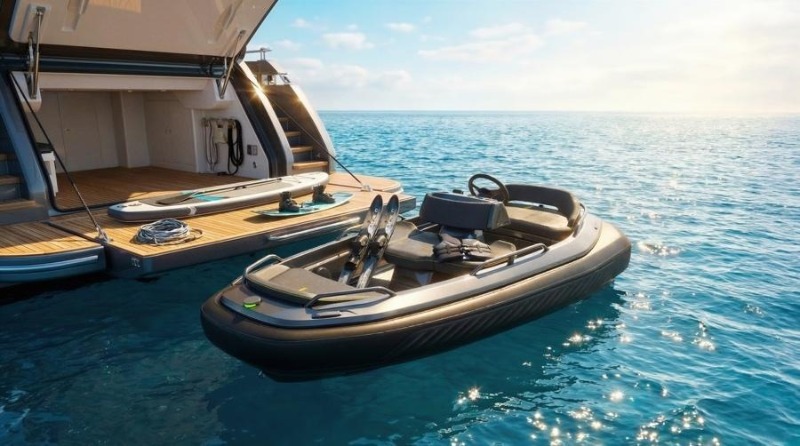
Earlier in 2026, Pininfarina extended its reach into the nautical world through a collaboration with Argos Nautic, unveiling the F-330 Design by Pininfarina at the Miami International Boat Show in February. The compact jet tender replaced conventional inflatable tubes with closed-cell foam construction — a first for the segment — allowing for a more sculpted, expressive silhouette without sacrificing durability or onboard space.
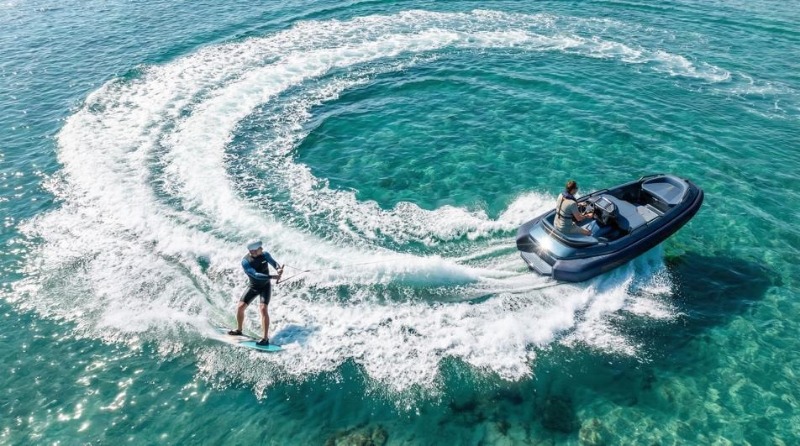
“As a yacht owner, I’ve always believed that a tender should feel like a natural extension of the yacht, not an afterthought,” said Ignacio Vadillo, President of Argos Nautic. “Working with Pininfarina gave us the opportunity to challenge conventions and create a tender that balances performance, practicality, and strong design identity.” Paolo Trevisan, SVP of Design at Pininfarina of America, called the project “far beyond a tender” — another marker of the design house’s expanding footprint from automotive into product, architecture, and now nautical design.
The Cannery Row reception did more than close out Duetto Day — it doubled as the launchpad for two new Pininfarina ventures. Airstream President and CEO Bob Wheeler joined Dellachà on stage to unveil a new design partnership between the two 95-year-old brands, aimed at reimagining Airstream’s next century ahead of its 2031 centennial, with further details promised in the coming months.
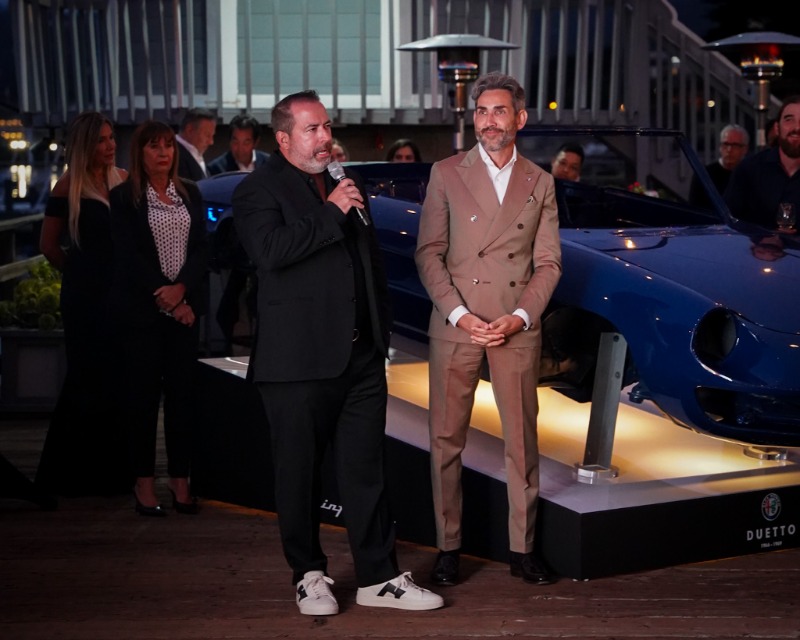
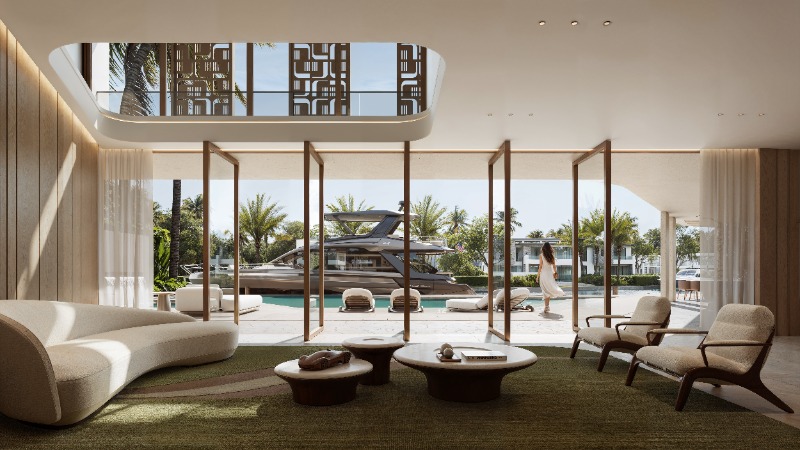
Moments later, against a backdrop of two Battistas, MV Group USA CEO & Founder Manny Angelo Varas took the stage to introduce Collection Sei Design by Pininfarina — the first branded villa collection in the U.S. — describing the six-residence project as “reverse engineering” nearly a century of automotive design discipline into architecture. “For nearly a century, Pininfarina has shaped the world’s most enduring design icons on the road, on the water, in the air, in the spaces that surround us,” Varas said. “Because some designs are made for a moment, others become part of history.”
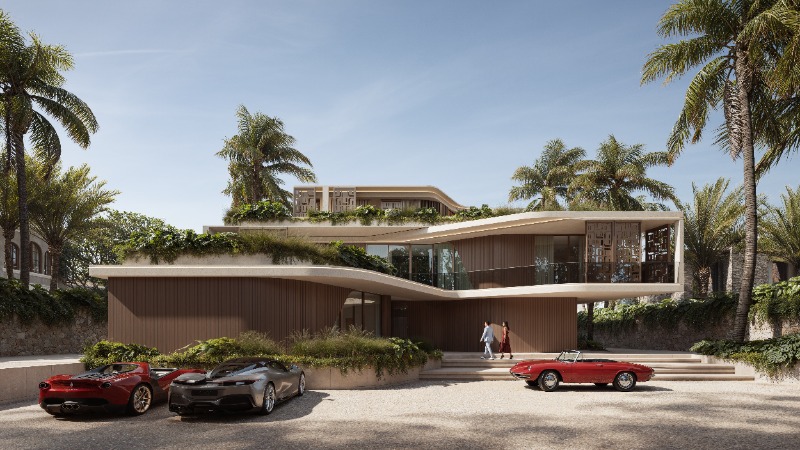
Dellachà echoed the sentiment in Collection Sei’s official announcement, tying the launch directly to the week’s celebrations: “We are proud to unveil this remarkable project as we celebrate the anniversary of the Duetto, one of Alfa Romeo’s most iconic cars, a timeless symbol that has inspired generations of Americans. There could be no more fitting occasion than the week that celebrates the world’s most elegant automobiles. Just as the Duetto became an icon of Italian style, this collection aspires to set a new benchmark for luxury living in the United States.”
A Fitting Bookend at Pebble Beach
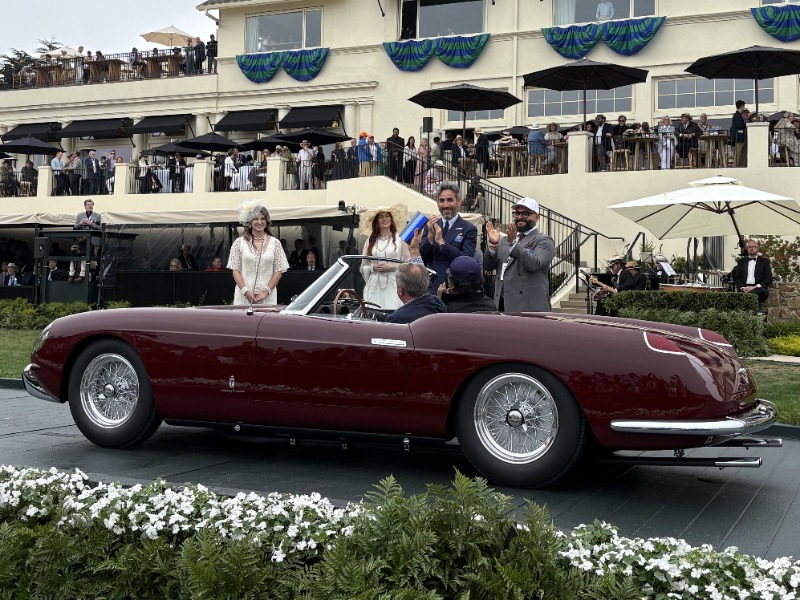
Duetto Day’s spirit carried through to the following morning, when Pininfarina returned to Pebble Beach Concours d’Elegance for the presentation of the 2026 Pininfarina Trophy — an award established in 2025 for the company’s 95th anniversary and now a permanent fixture of the Concours program.
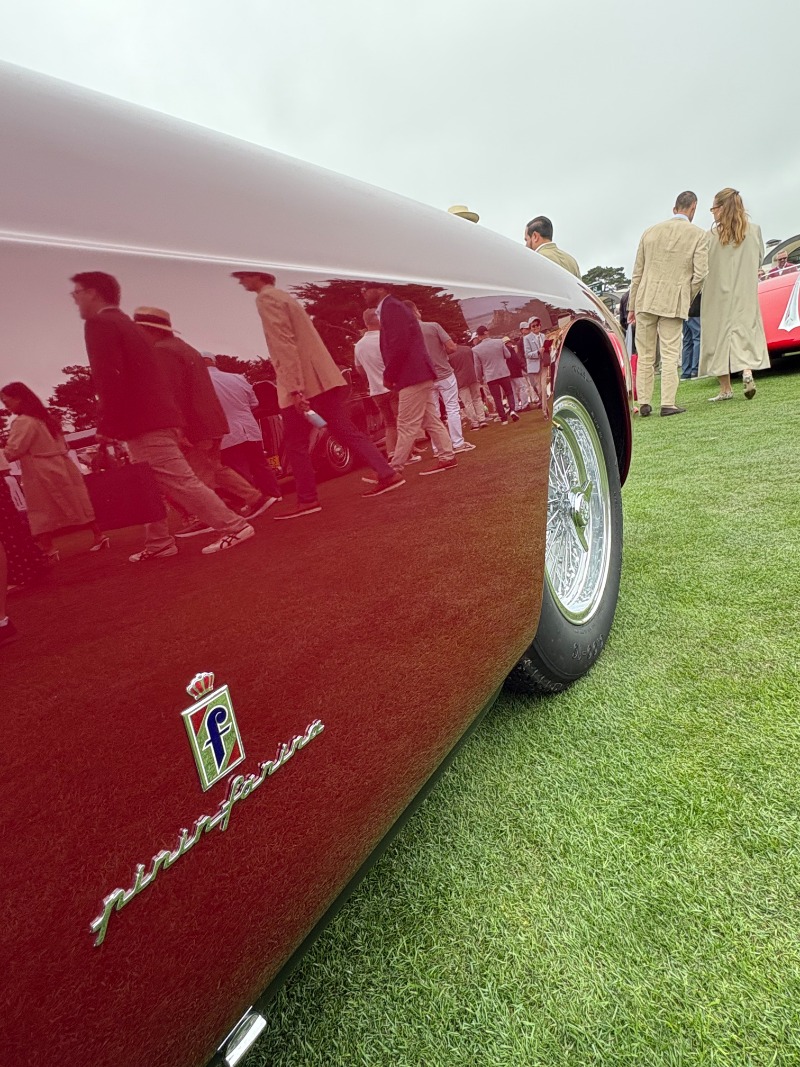
Dellachà, alongside Dave Amantea, presented the trophy to collector Julio Grosso of Danbury, Connecticut, for his 1958 Ferrari 250 GT Series I Pinin Farina Cabriolet, one of roughly 30 examples ever built and the product of a three-year restoration.
Between the Duetto’s 60th, a new documentary retracing nearly a century of design history, and partnerships stretching from nautical and automotive innovation to luxury villas, Pininfarina used Monterey Car Week to make its case plainly: the same principles that shaped a 1966 roadster are still shaping what the company builds today.
As Dellachà put it, the goal isn’t simply to mark a hundred years of Pininfarina history; it’s to build the foundation for the next hundred, while continuing to “move dreams”.
[Image credits: Christina-Lauren Pollack for Inspirations & Celebrations; Pininfarina; Collection Sei; Argos Nautic. Media access c/o Pininfarina. All opinions are my own.]