
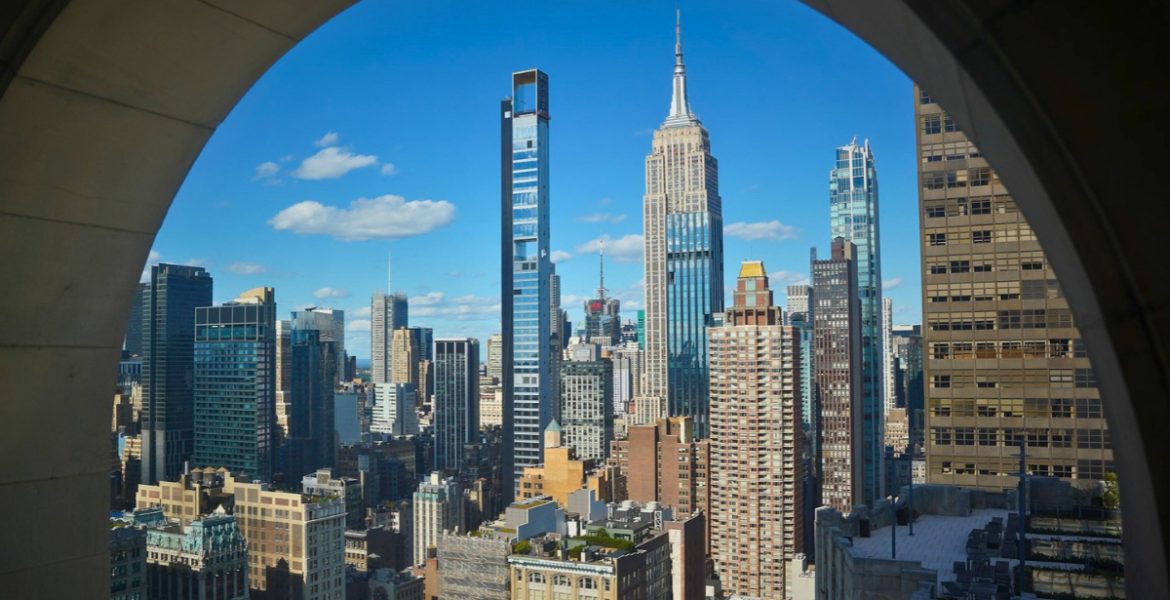
New York City luxury travel takes on a different feeling when you trade Midtown crowds for the storied blocks of Flatiron NoMad. Here, the city of the Gilded Age still stands in plain sight: marble clock towers modeled after Venice, gilded rooflines that glisten under the sun, and Beaux-Arts facades created during a bygone era when architects believed buildings should be works of art.
Recently, during a press trip with Jaguar, I spent a couple of days in the heart of this district, staying in a landmark 1909 tower, lingering over brunch at a Parisian-style bistro, wandering through a tree-lined park, and exploring the architectural marvels of the area.
To inspire you to experience a captivating getaway in New York City, this travel guide covers where to stay, where to dine, and what to explore for a refined vacation in Manhattan, with the Gilded Age as your muse.
Why Flatiron NoMad Is the Ideal Base
Flatiron NoMad sits in Midtown South, framed by Union Square to the south and Madison Square Park at its center, with leafy Gramercy just to the east. For luxury travelers, the appeal is a polished, lower-profile alternative to SoHo or the Upper East Side. The streets feel safe and easy to navigate on foot, and nearly everything in this guide is a short walk or quick taxi ride away.
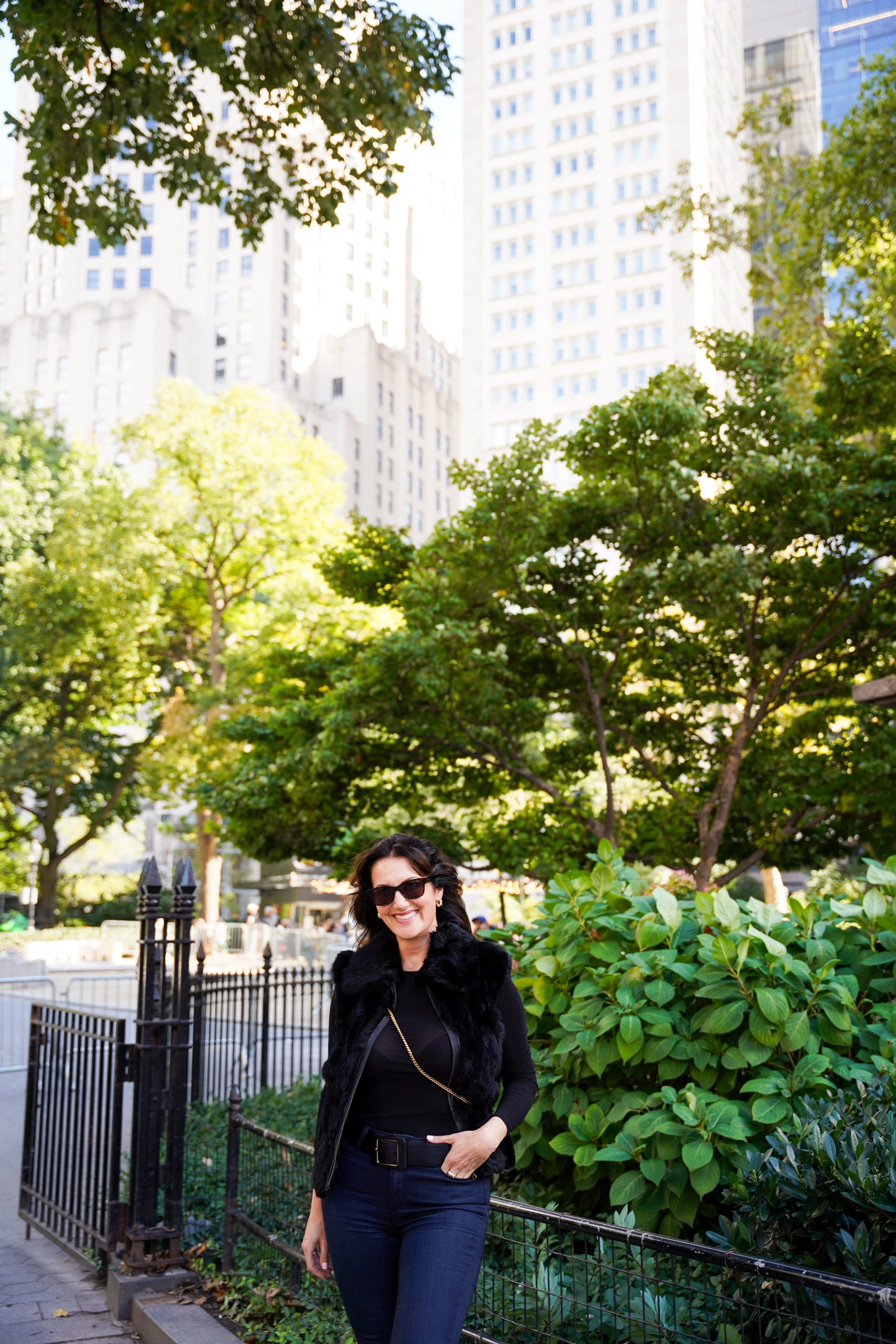
The district also holds one of the city’s most exclusive Gilded Age traditions. Nearby Gramercy Park, laid out in 1831, remains Manhattan’s only private park, open to residents who hold one of its coveted keys. A slow walk along its iron fence, past stately brownstones and clubhouses, sets the tone for the weekend.
Where to Stay: The New York EDITION
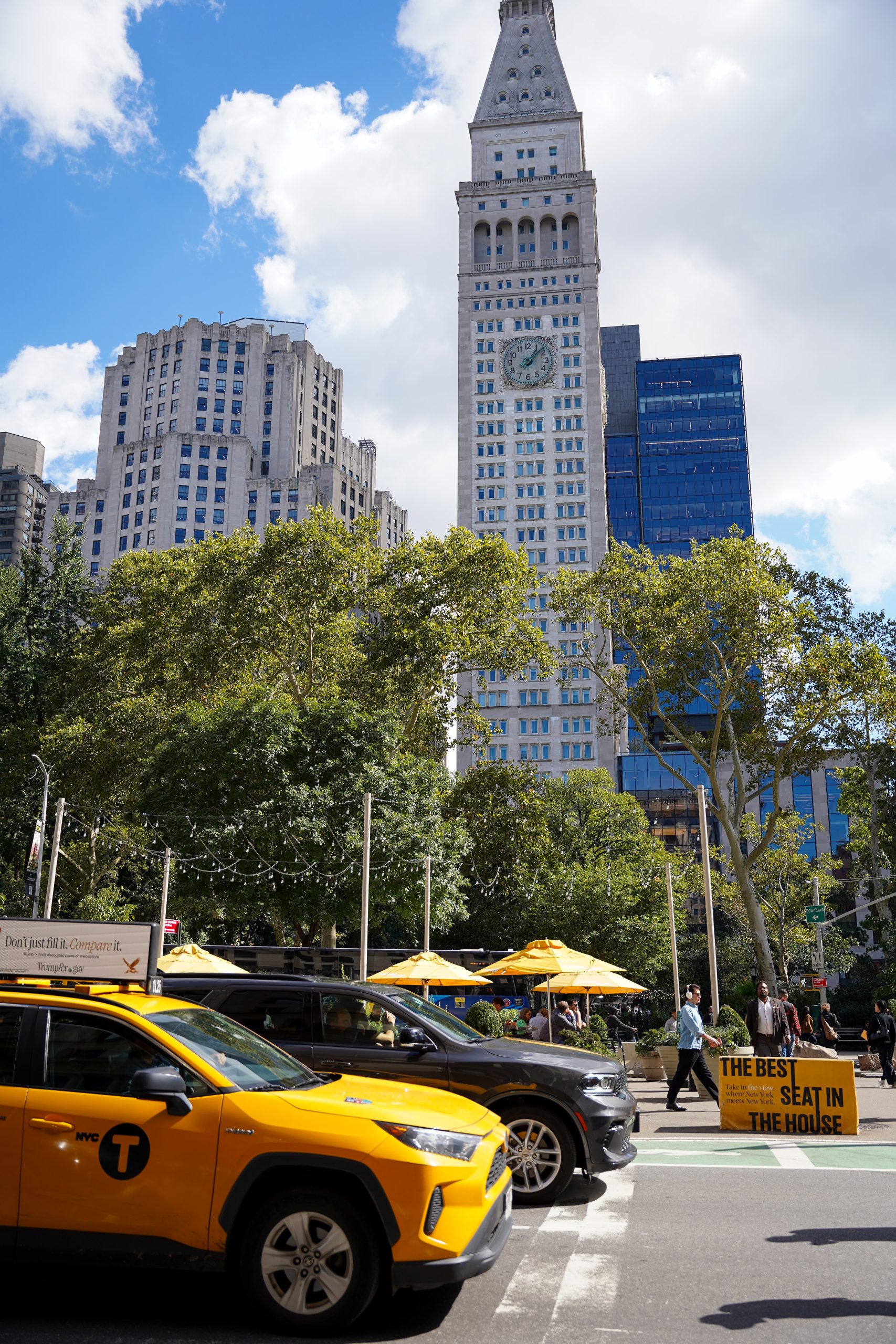
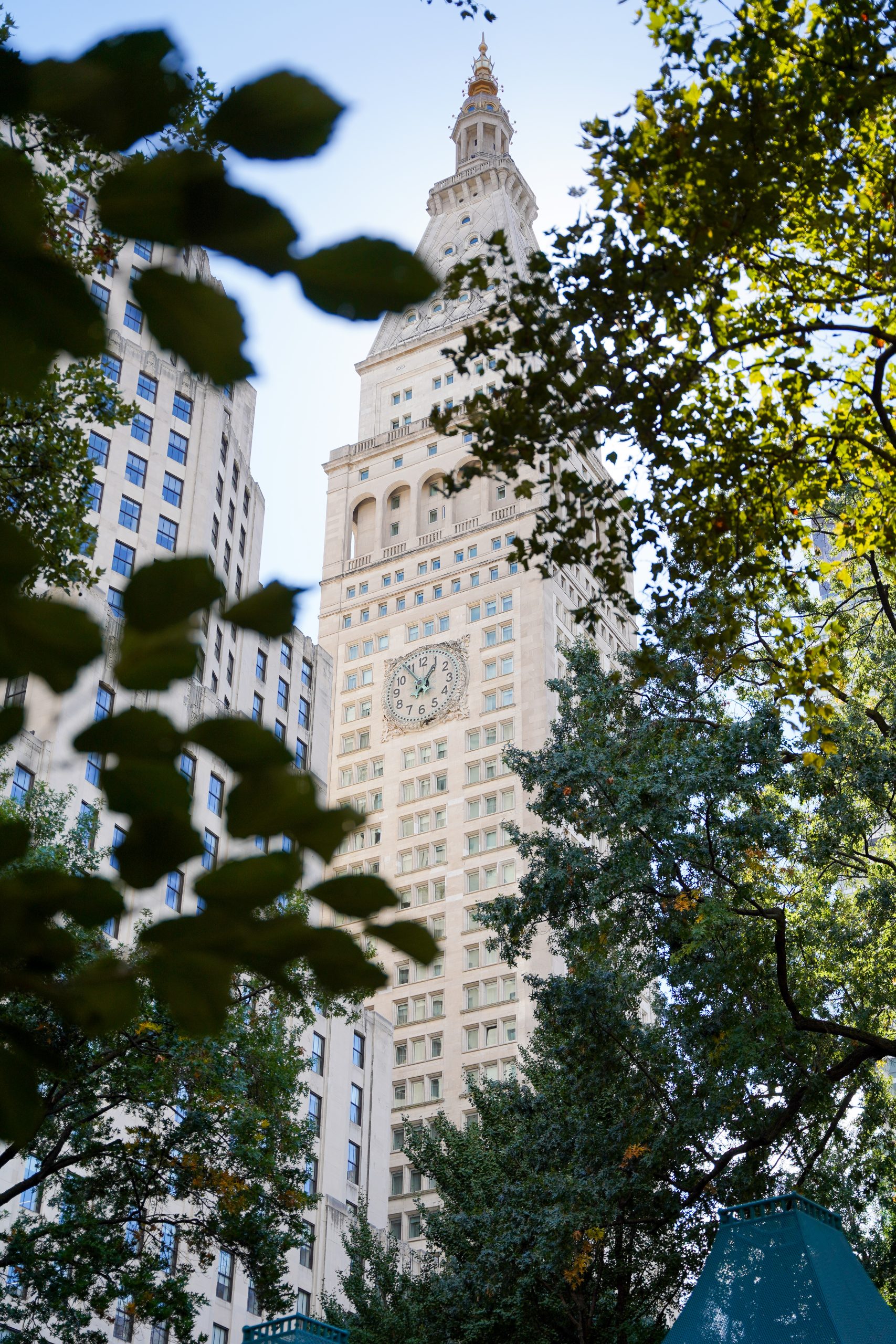
The New York EDITION occupies the landmark Metropolitan Life Insurance Company Tower at 5 Madison Avenue, directly across from Madison Square Park. Completed in 1909 and modeled after St. Mark’s Campanile in Venice, the 700-foot tower briefly reigned as the tallest building in the world. Its four clock faces still keep time over the park today.
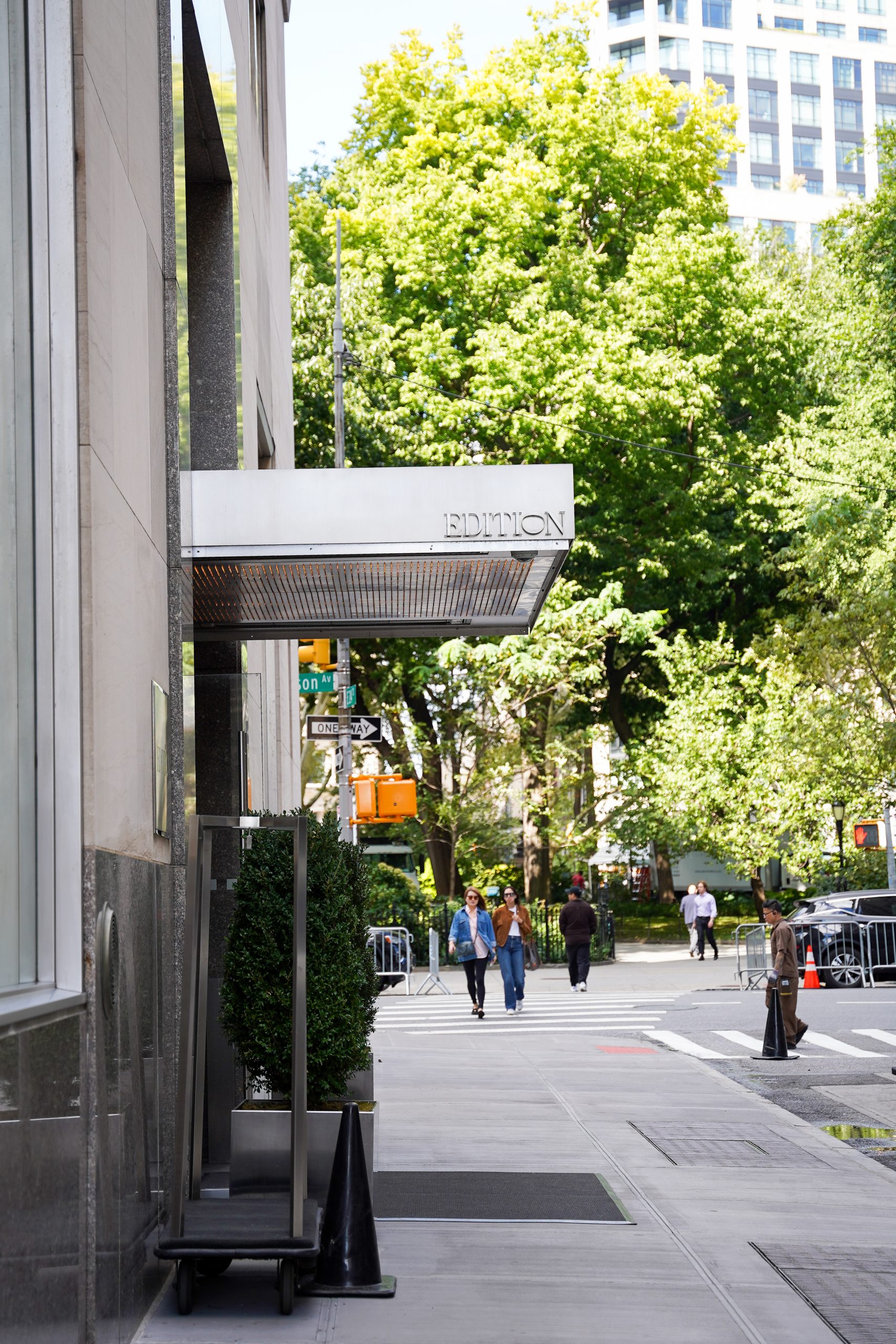
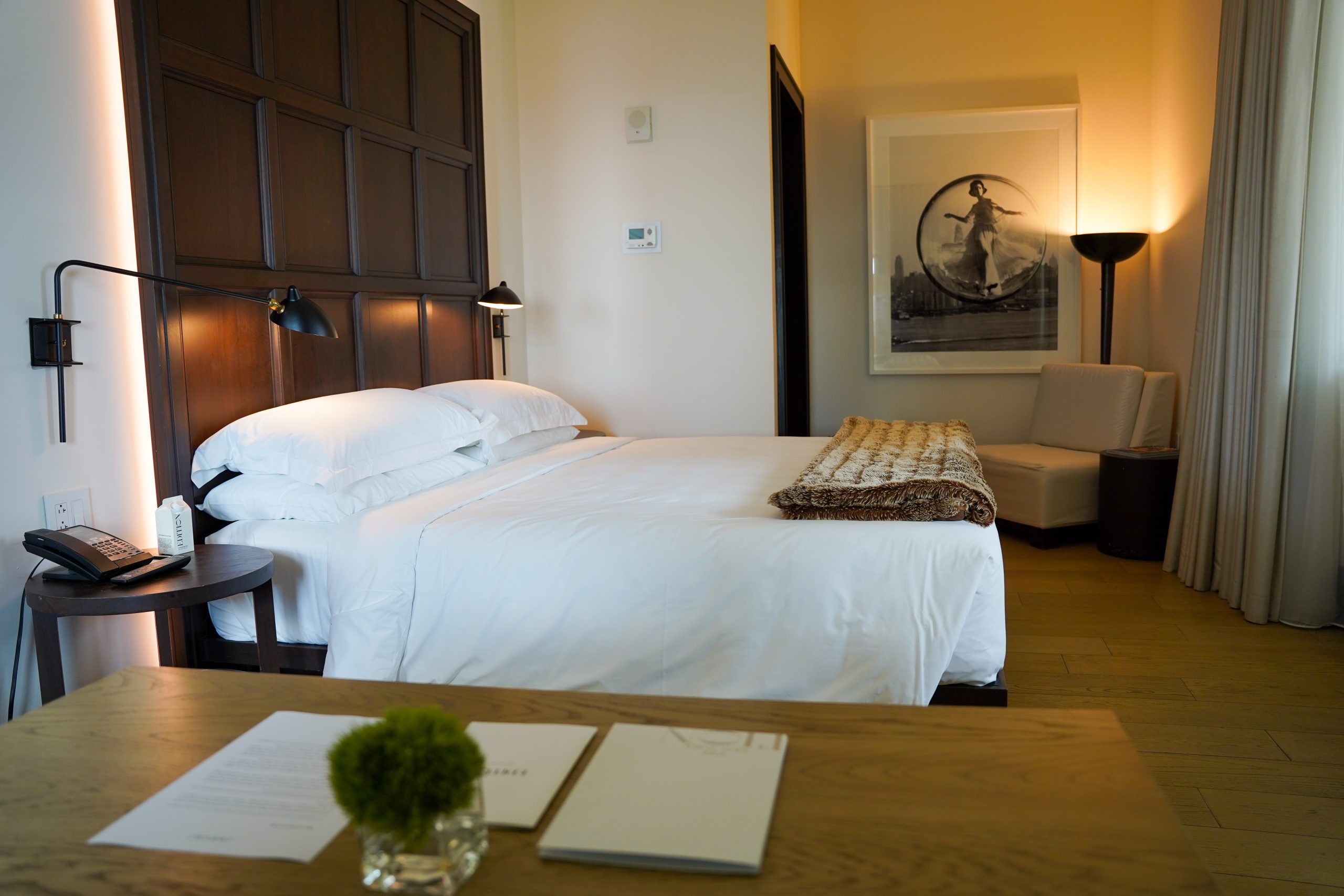
Hotelier Ian Schrager reimagined the tower with Marriott’s EDITION brand, opening the hotel in 2015 with 273 rooms and suites. The design is quietly glamorous: warm oak floors, dark wood-paneled headboards, sculptural sconces, plush faux fur throws, and oversized windows that frame the skyline. Black-and-white fashion photography lines the walls, a nod to the city’s long love affair with style.

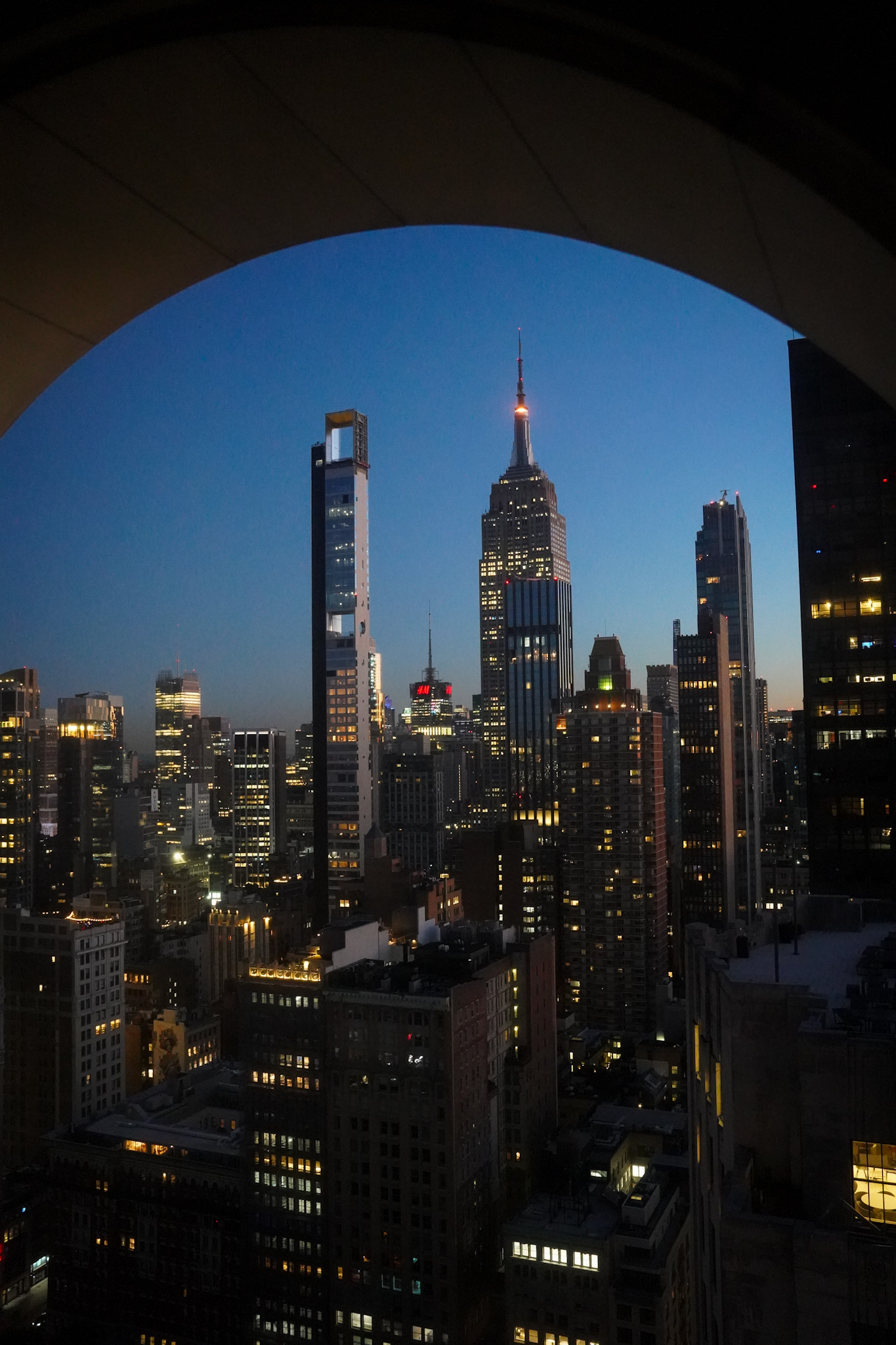
Booking tip: To wake up to the Empire State Building, request a north-facing room on a higher floor. Loft Studios and the corner rooms on the upper floors offer some of the most dramatic Midtown views, especially at night when the tower’s lights change color. Standard rooms typically overlook the park or the Flatiron District, which is a lovely view in its own right.
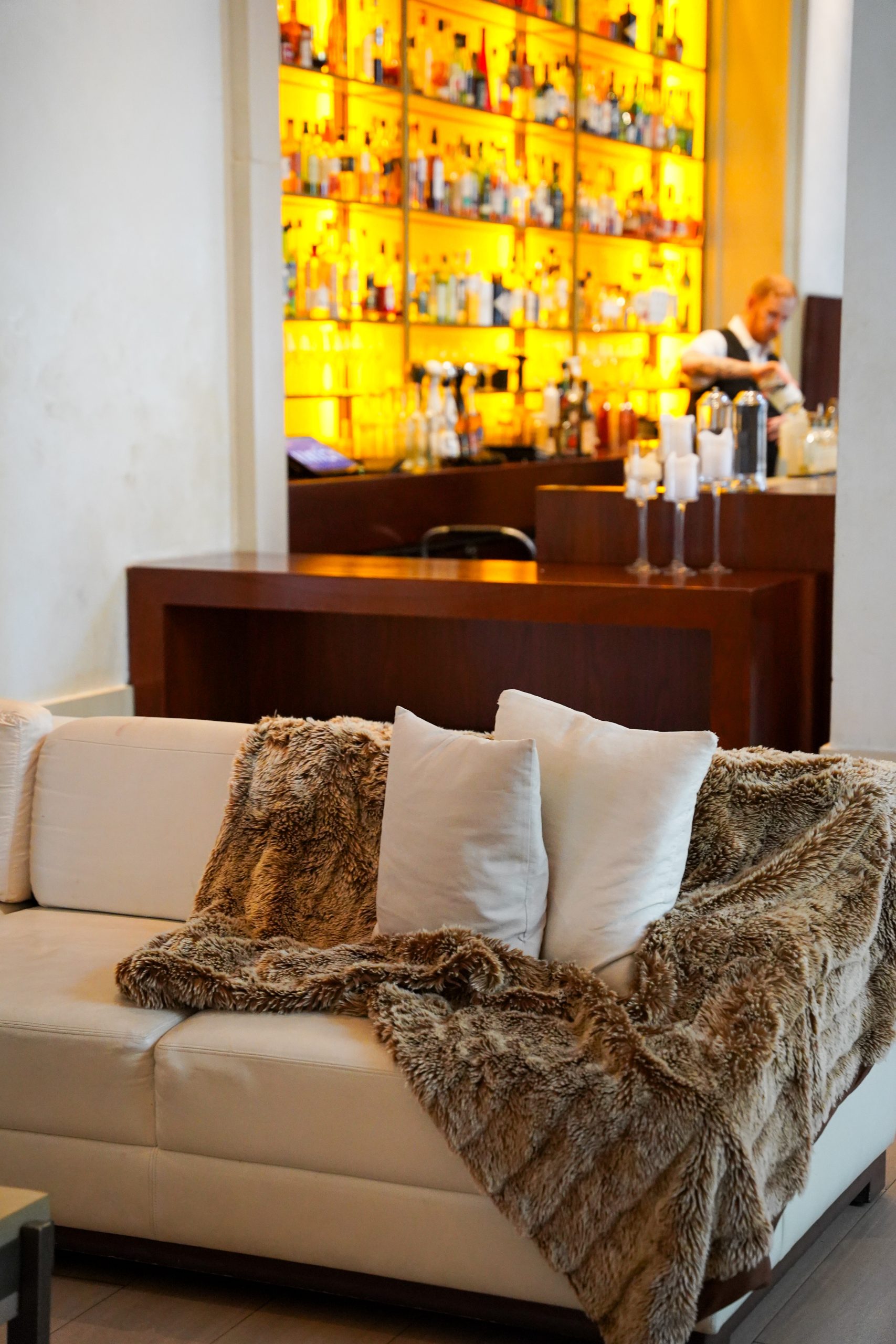
Downstairs, the Lobby Bar glows with backlit shelves of spirits and ivory sofas draped in fur, an ideal spot for a nightcap. For the most direct link to the Gilded Age, head up to The Clocktower on the hotel’s landmarked second floor, once part of the Metropolitan Life headquarters.
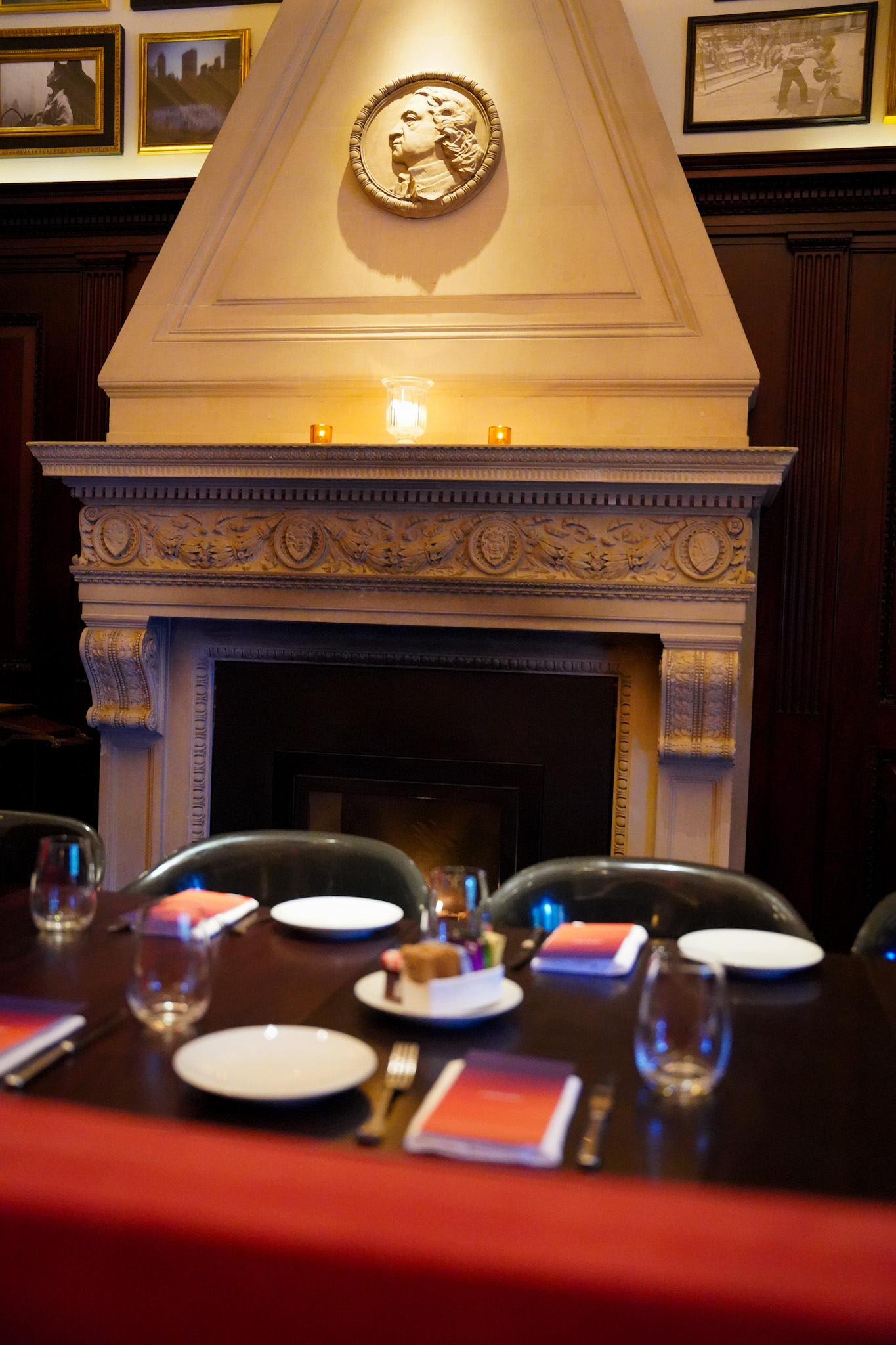
The restoration revived the original mahogany doors, wainscoting, and floors, along with a historic carved fireplace that anchors one of the dining rooms beneath walls of vintage New York photography. British chef Jason Atherton and restaurateur Stephen Starr serve modern cuisine with a London sensibility here, and a velvet-appointed billiards room sets the scene for a pre-dinner cocktail.
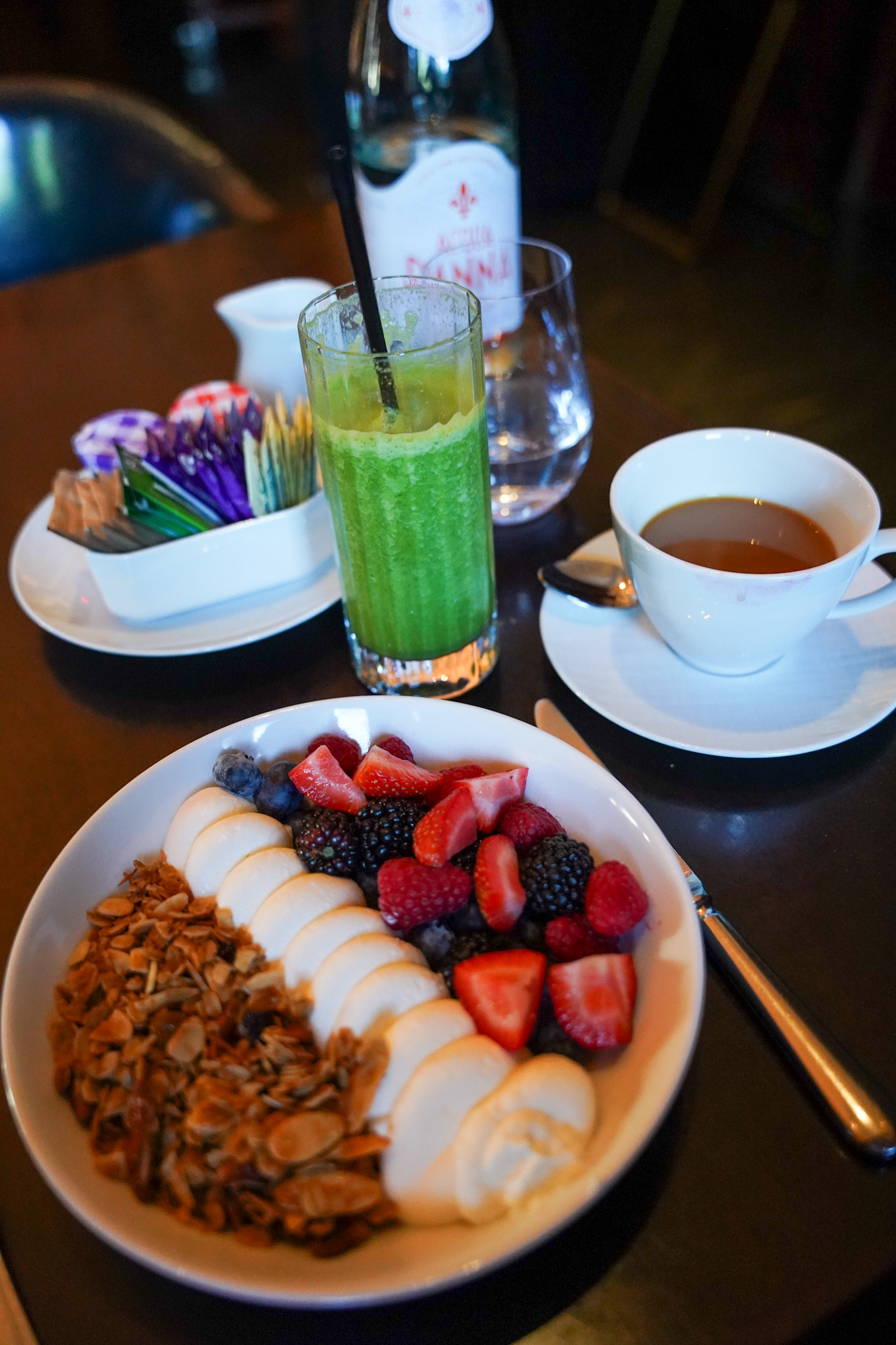
Mornings are just as memorable. I started one day with breakfast here: a bowl of house granola with yogurt and fresh berries, a bright green juice, and a pot of tea, served in the same wood-paneled rooms. The restaurant earned a Michelin star in 2018 and holds a Wine Spectator Best of Award of Excellence for its wine program, which includes a signature Champagne cart.
Madison Square Park: Where the Gilded Age Began
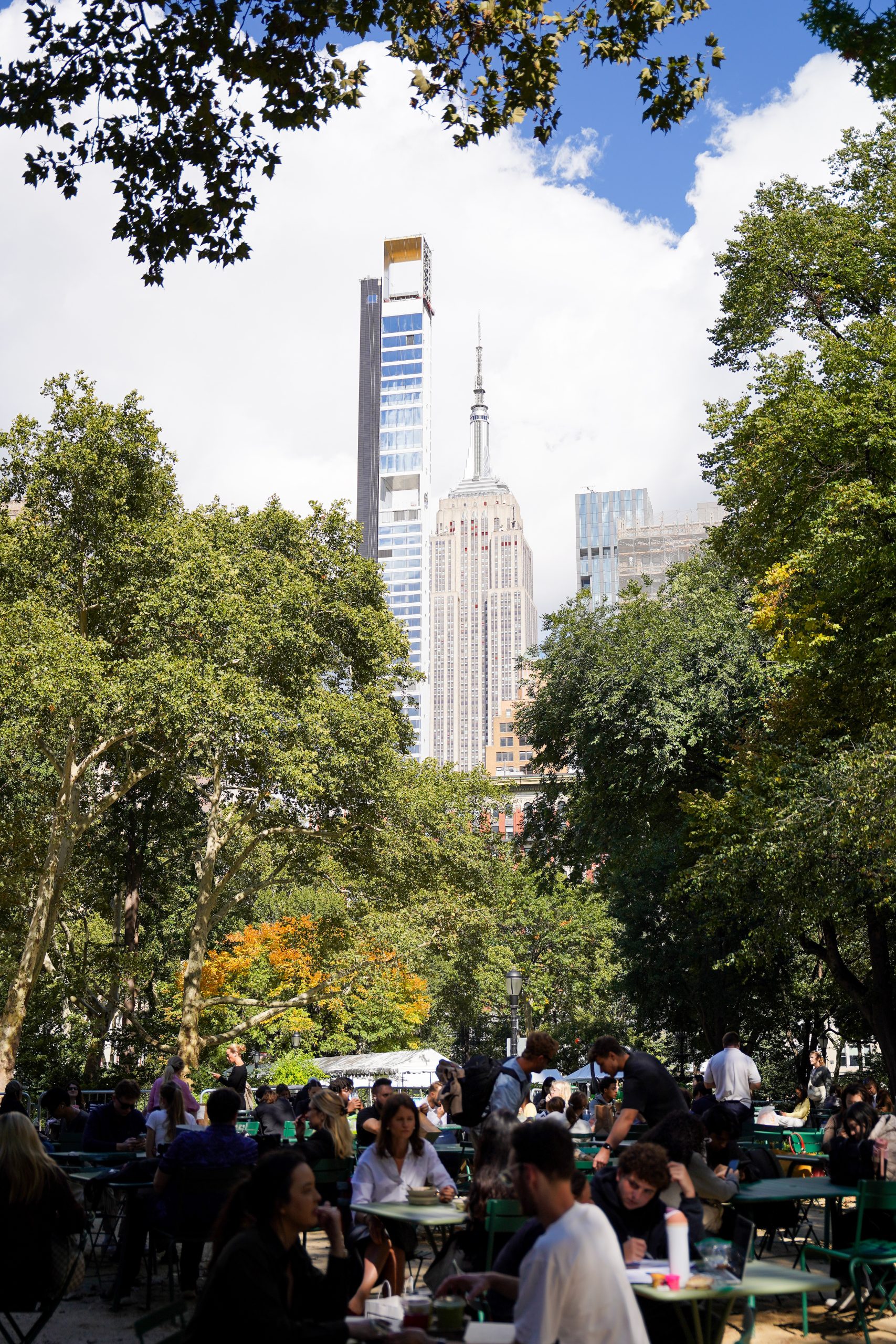
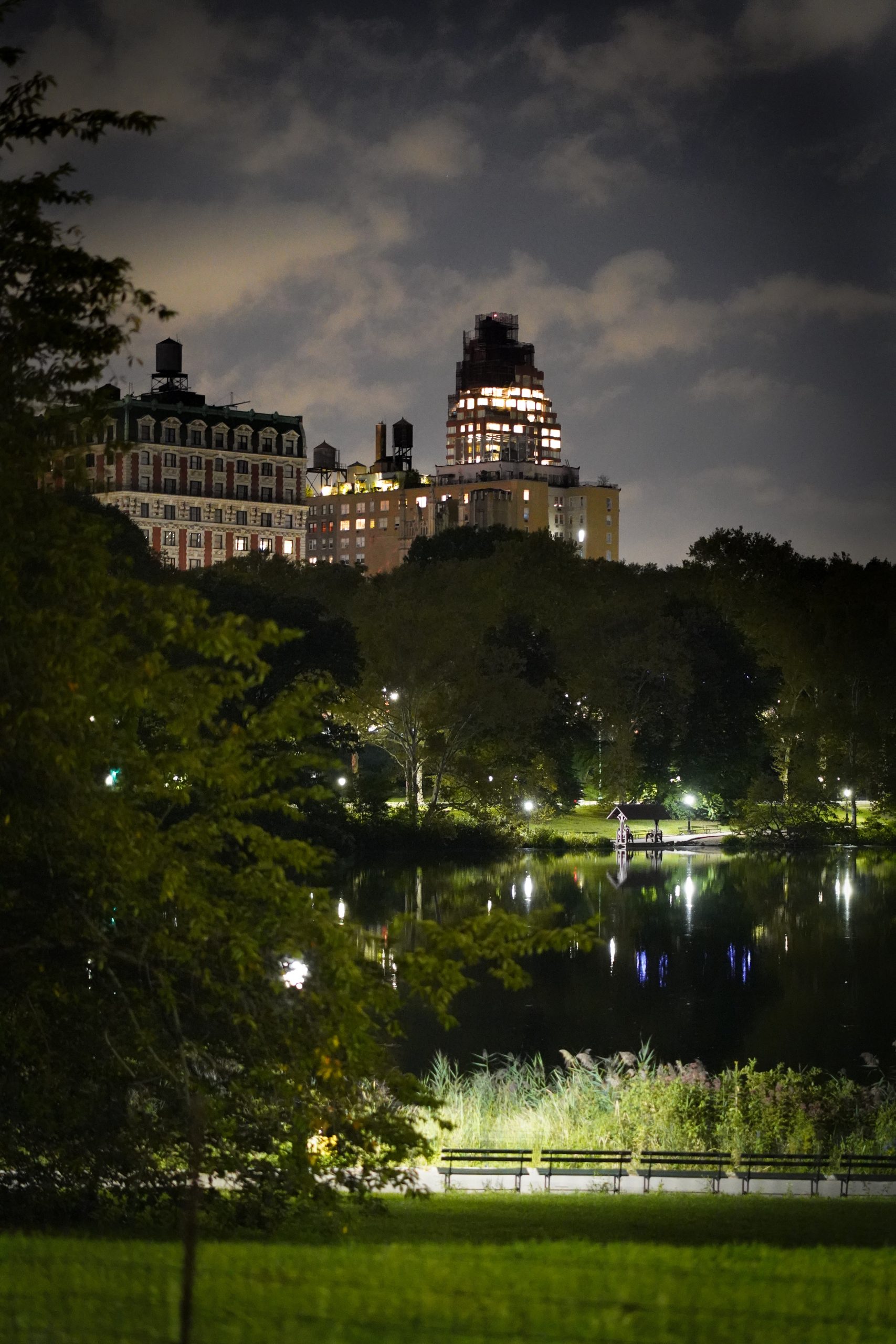
Madison Square Park, just across the street from the hotel, is the neighborhood’s living room. Opened in 1847, the park offers shaded paths beneath towering plane trees, bistro tables filled with locals at lunch, and a rotating program of contemporary public art from the Madison Square Park Conservancy. Look north through the canopy for a postcard view of the Empire State Building rising above the treetops.
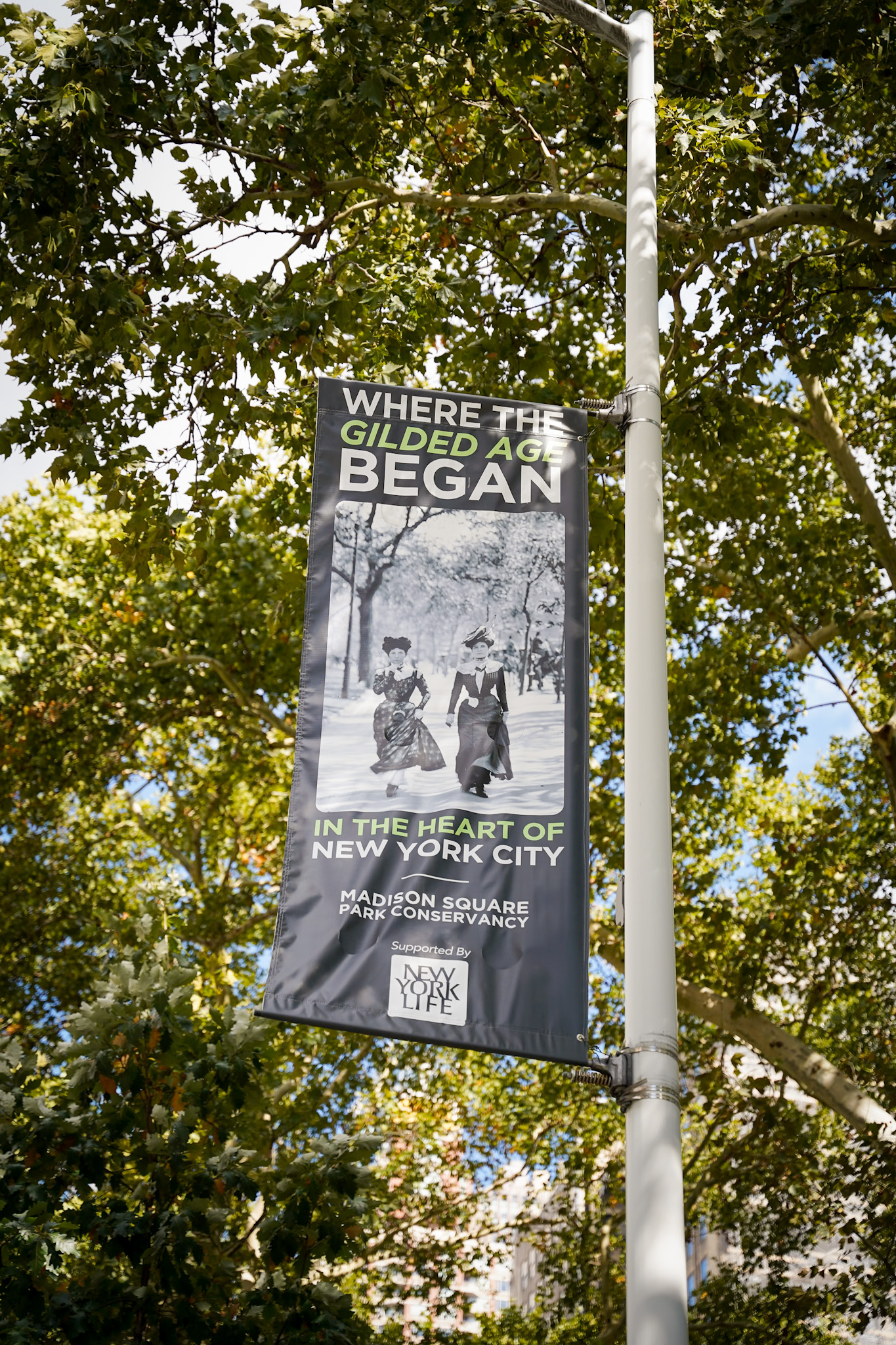
Banners from the Madison Square Park Conservancy along the park’s edge proclaim it the place where the Gilded Age began, and the claim holds up. In the late 1800s, the square was the center of New York society, ringed by grand hotels, Delmonico’s, and Stanford White’s original Madison Square Garden.
Its monuments read like an open-air sculpture gallery from that era. Augustus Saint-Gaudens’ 1881 bronze of Admiral David Farragut, set on a curved granite base designed by Stanford White, is considered a landmark of American sculpture. Nearby stand statues of Secretary of State William H. Seward, President Chester A. Arthur, and Senator Roscoe Conkling, each a portrait of the statesmen who shaped the age.
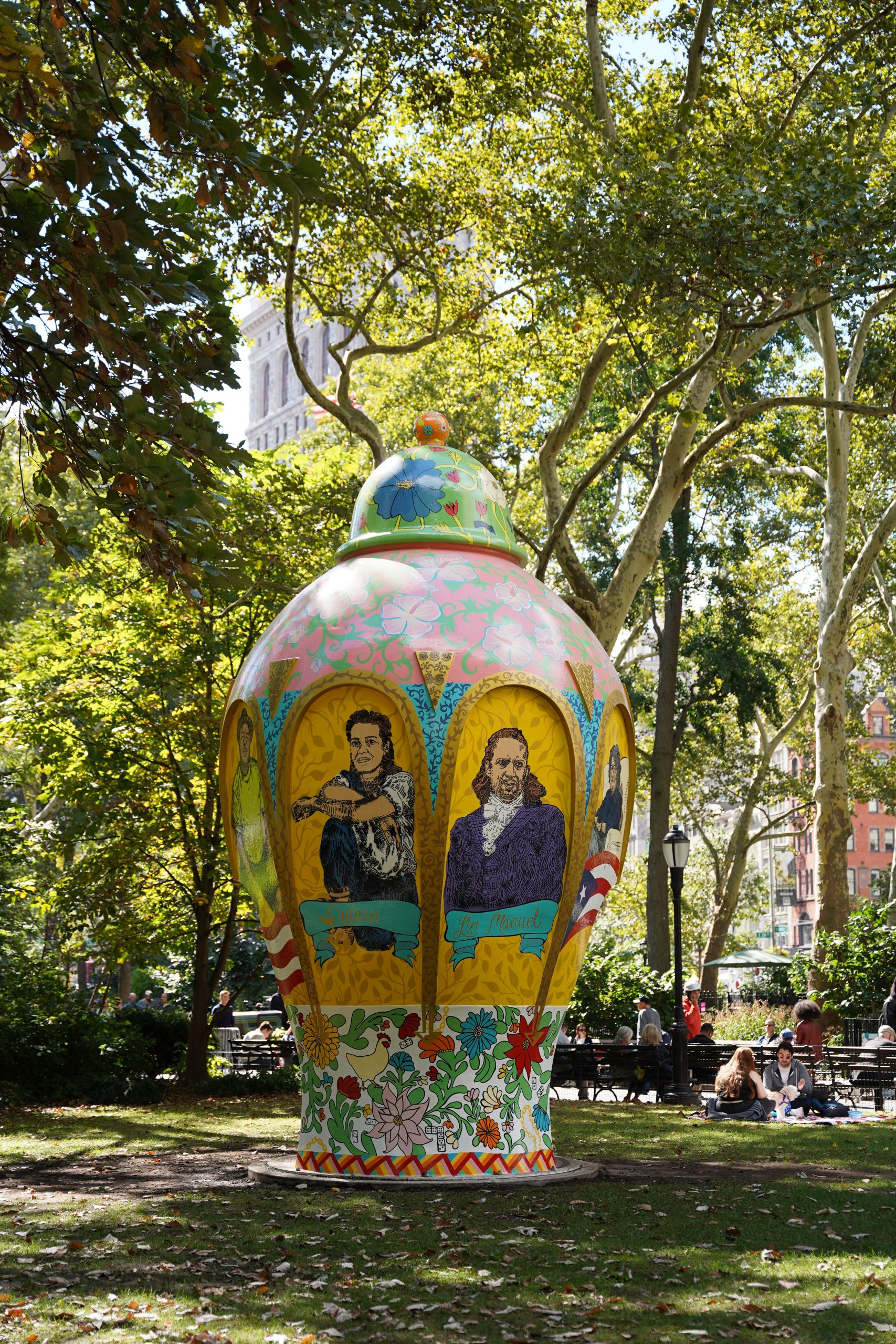
The park’s art conversation continues today. Through December 6, 2026, Roberto Lugo’s Alfarero del Barrio (Village Potter) fills the lawn with a 20-foot hand-painted urn modeled on a 19th-century Herend porcelain design first created for Queen Victoria. In place of the original’s butterflies and flowers, Lugo painted portraits of Puerto Rican luminaries, including Justice Sonia Sotomayor, Lin-Manuel Miranda, and Roberto Clemente, alongside his own parents. Visitors can walk through an archway in the urn, a playful contemporary answer to the bronze statesmen nearby.
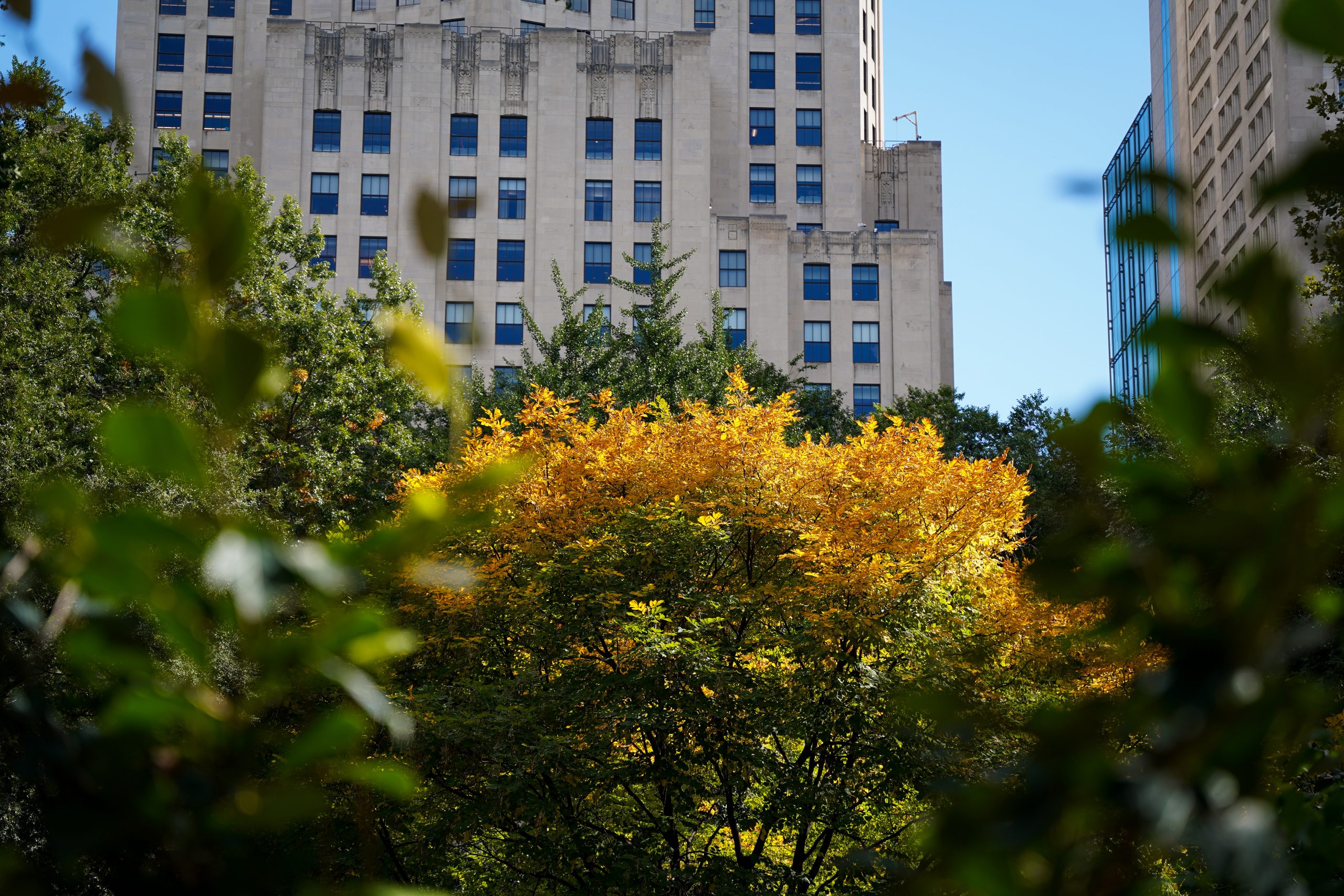
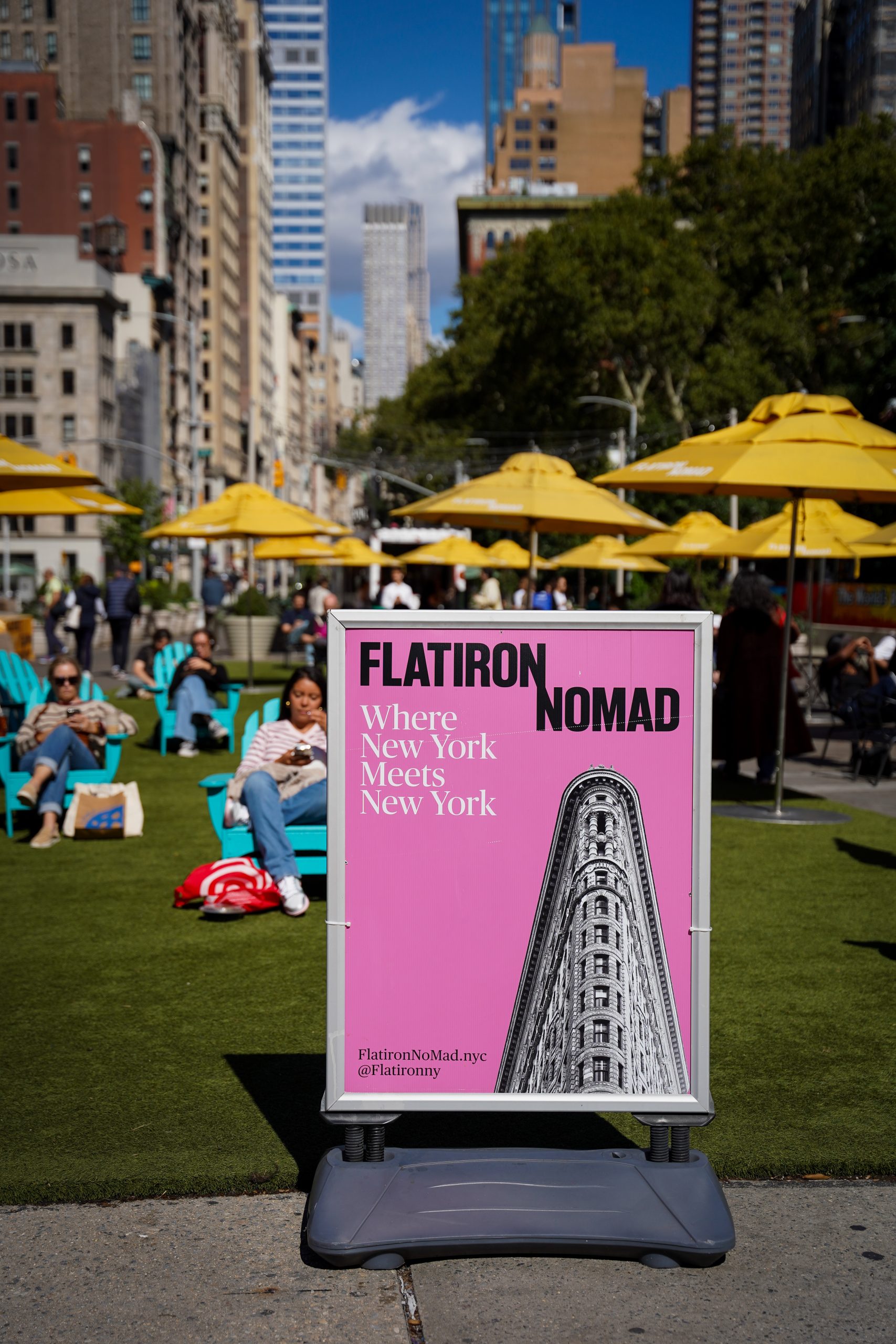
Grab a coffee and claim a table, or stroll toward the plazas at the park’s southern edge, where yellow umbrellas and turquoise Adirondack chairs face the Flatiron Building. The original Shake Shack also began here, as a humble park kiosk, and its line remains a local ritual. Whether you want a quiet morning or a leisurely afternoon reset between museum visits and dinner, the park makes an easy, restorative pause.
A Self-Guided Gilded Age Architecture Walk
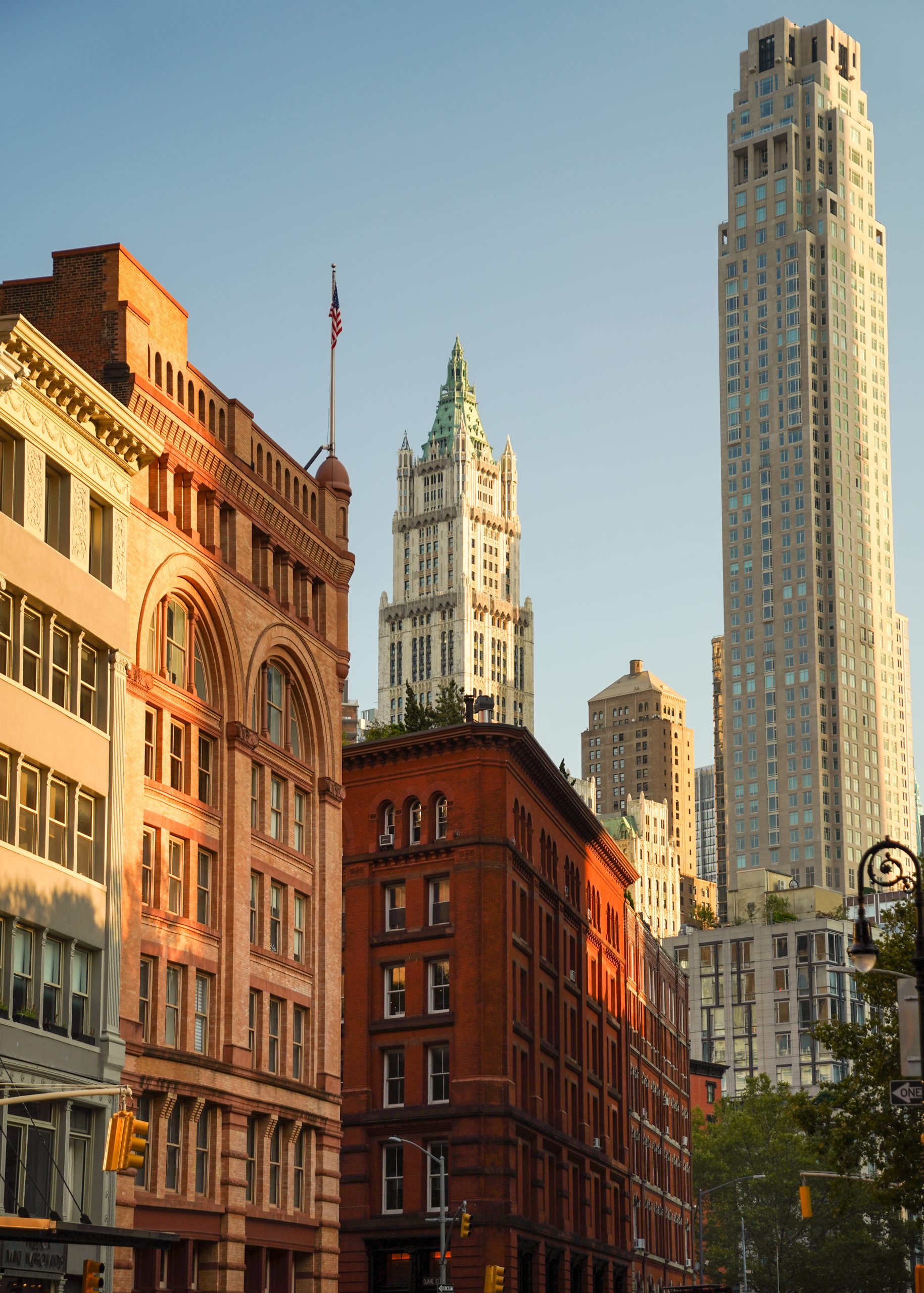
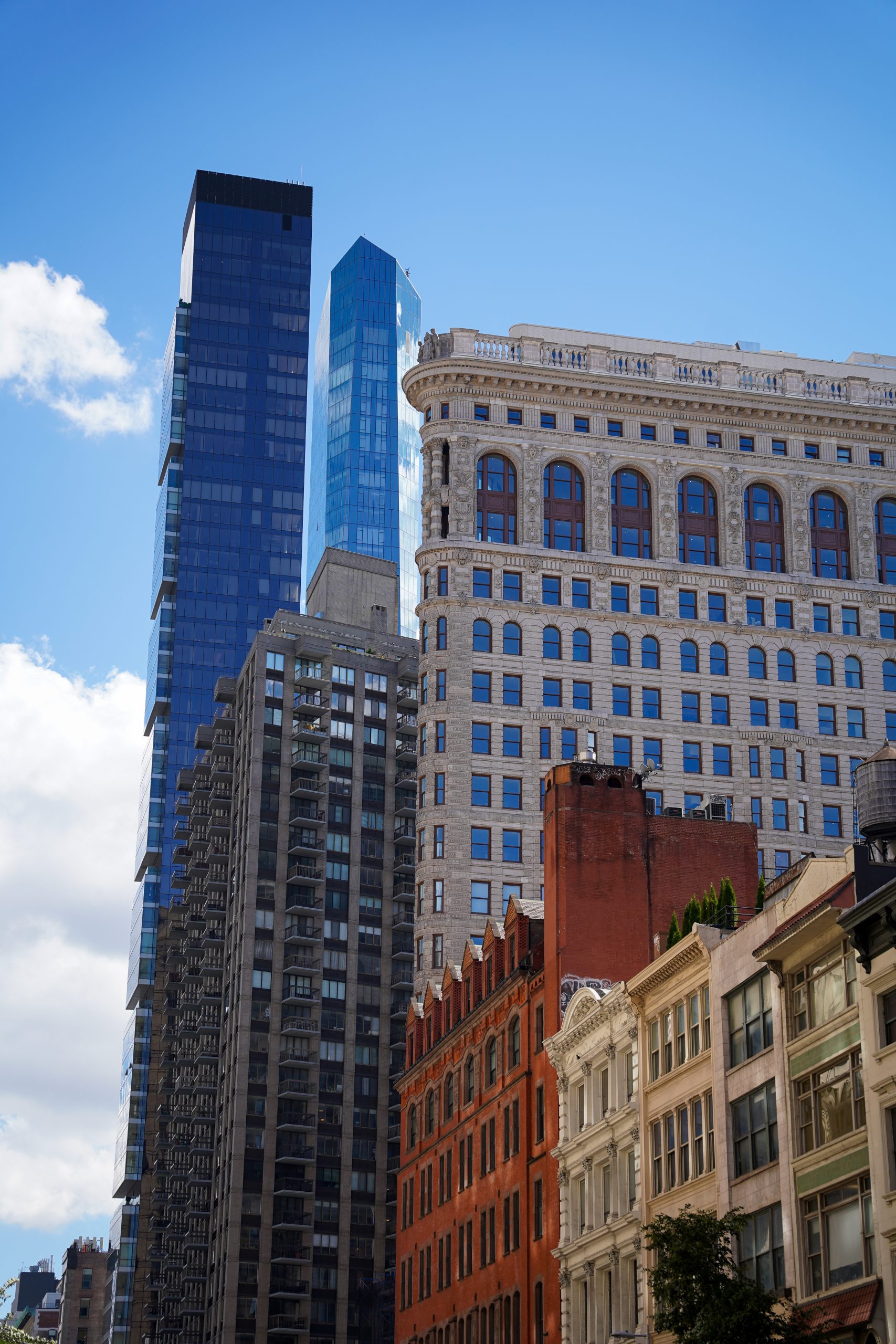
A self-guided walk around the neighborhood is one of the best ways to explore the area and take in the sights. Gilded Age architecture, built roughly between the 1870s and the early 1900s, reflects an era of enormous industrial wealth and a fascination with the grand styles of Europe. Developers wrapped revolutionary steel-frame engineering in hand-carved stone, terracotta, cornices, and classical columns so their headquarters would read as fine art. The blocks around Madison Square Park hold some of the city’s finest examples, all within a 20-minute loop of the hotel.
- The Metropolitan Life Tower. Begin at your hotel. Originally clad in white Tuckahoe marble, the campanile brought Venetian Renaissance romance to the Manhattan skyline.
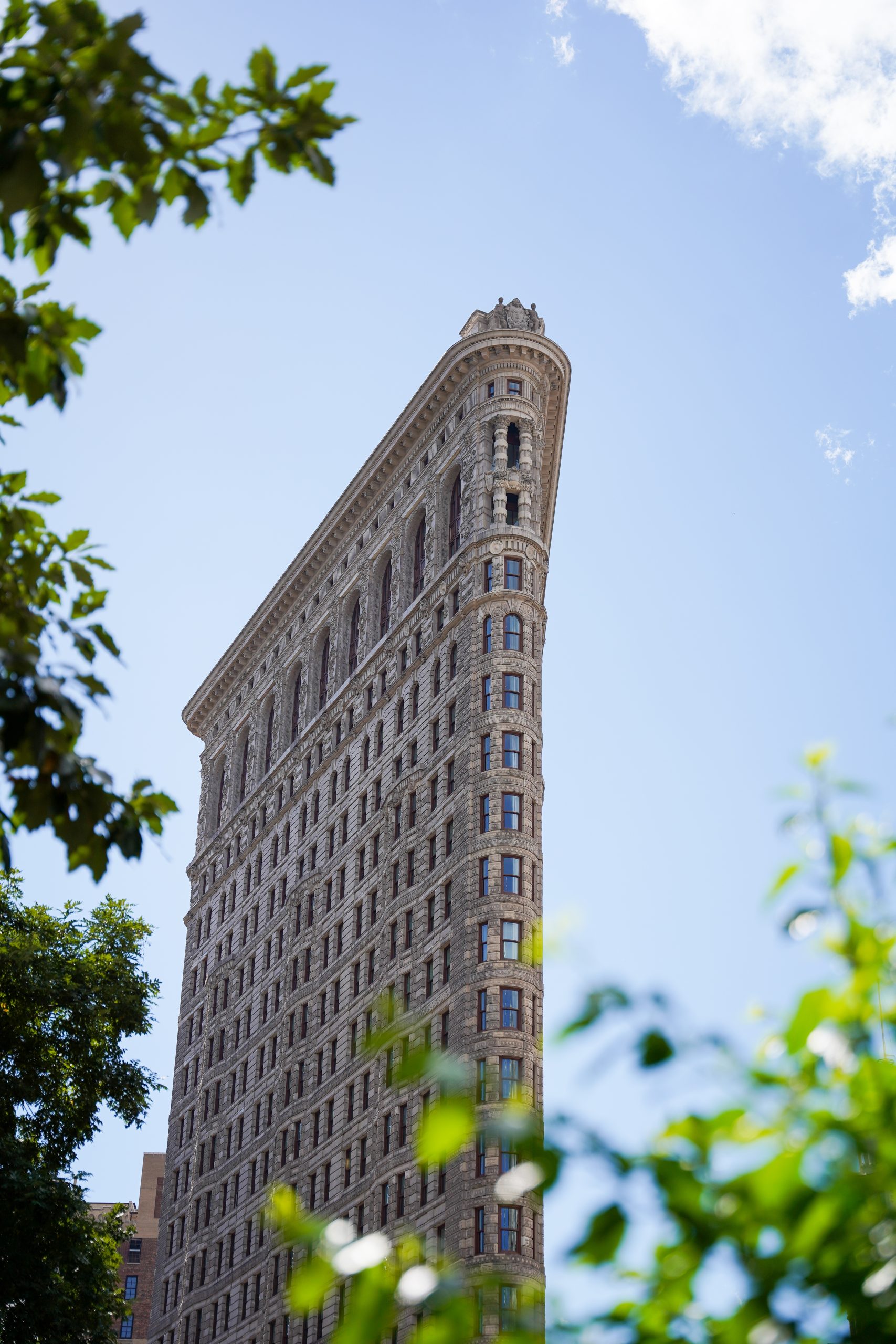
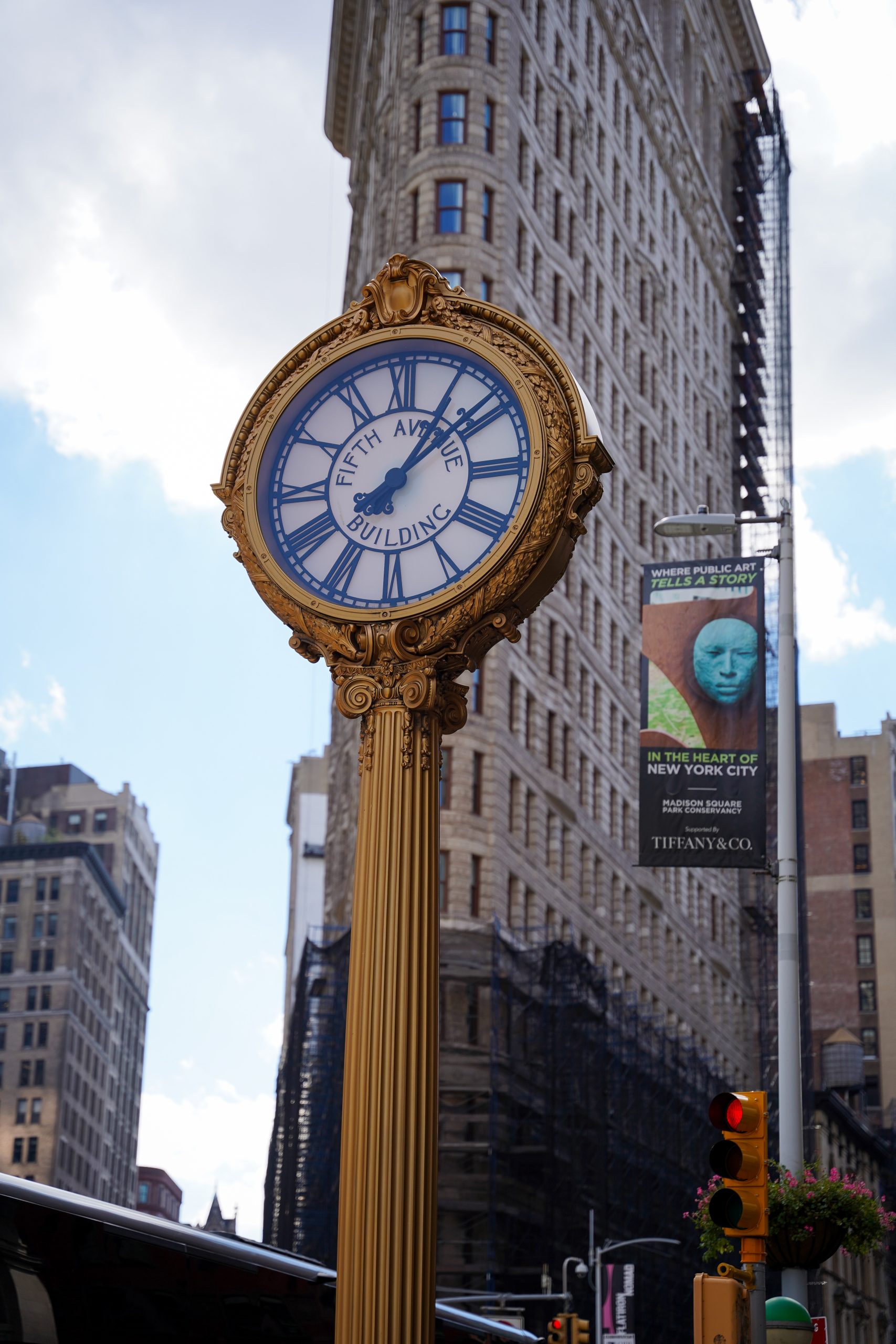
- The Flatiron Building. Daniel Burnham’s 1902 triangular icon anchors the intersection of Fifth Avenue and Broadway. Its limestone and terracotta facade follows a classical column: a heavy base, a long shaft, and an ornate crown. Across the street at 200 Fifth Avenue, look for the 19-foot gilded sidewalk clock installed in 1909, a designated city landmark and one of the most elaborate street clocks left in New York.
- The Appellate Division Courthouse. At Madison Avenue and 25th Street, this 1900 Beaux-Arts courthouse by James Brown Lord is a marble jewel box lined with statues of history’s great lawgivers.
- The New York Life Building. Finish at Cass Gilbert’s gold-topped tower on Madison Avenue at 26th Street. Completed in 1928, it carries the Gilded Age love of ornament into the Jazz Age, its pyramid roof glinting above the park at sunset.
Brunch: L’Express
L’Express, a Parisian-style bistro and Lyonnaise bouchon at 249 Park Avenue South, sits a brisk walk from the hotel at the crossroads of Flatiron, Gramercy, and Union Square. Open since 1996, it has become one of the city’s most beloved neighborhood bistros and a fixture of New York’s late-night dining scene. It also carries on a Gilded Age tradition: French cuisine was the ultimate status symbol of that era, when Delmonico’s, which once had a location on Madison Square, set the standard for fine dining in New York.
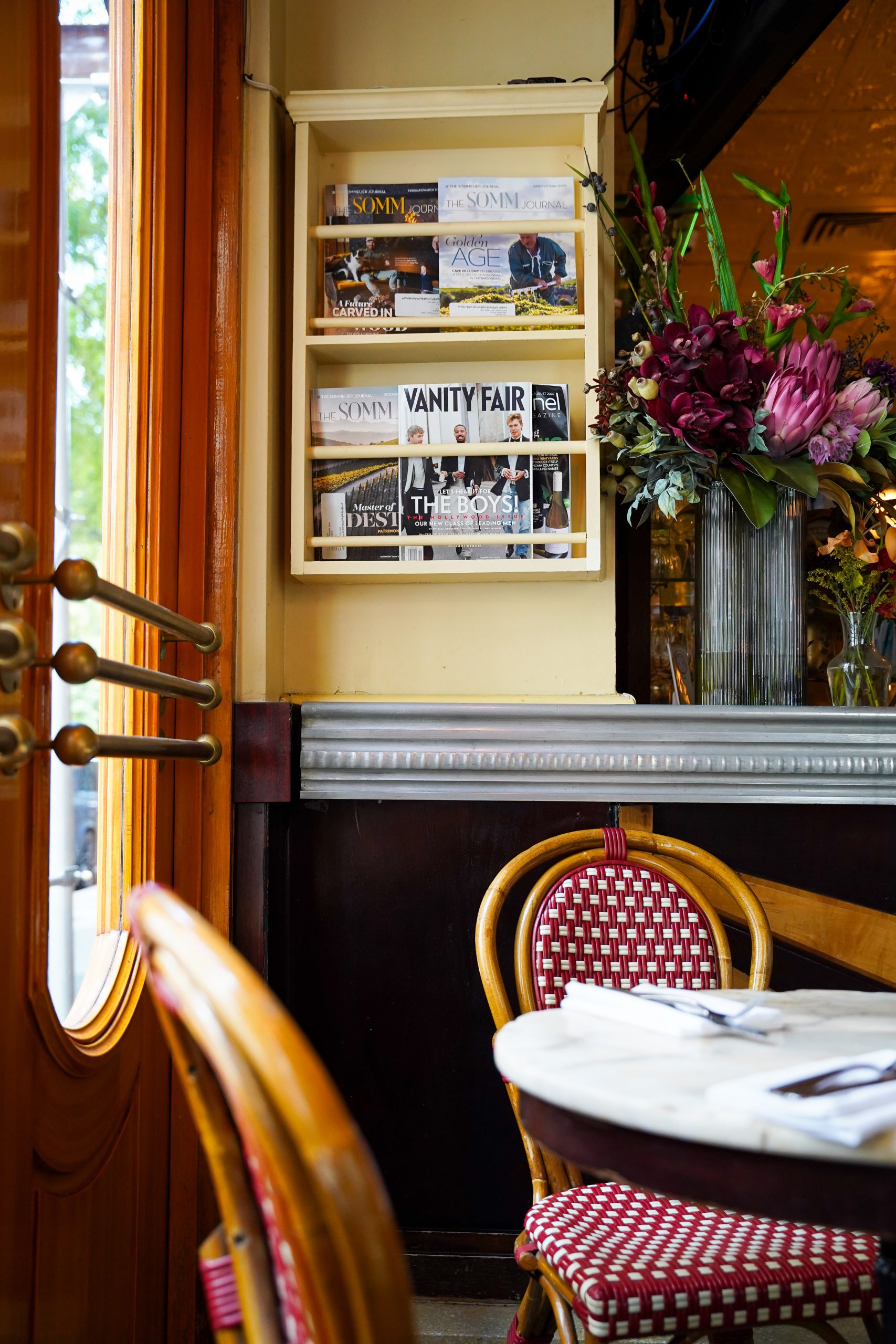
Step inside and the 1920s Art Deco spirit takes over: upbeat jazz playing overhead, cozy banquettes and marble bistro tables, seasonal flower arrangements, and a wraparound bar. Executive Chef Amitzur Mor’s menu covers the French classics, from steak frites and onion soup to moules.
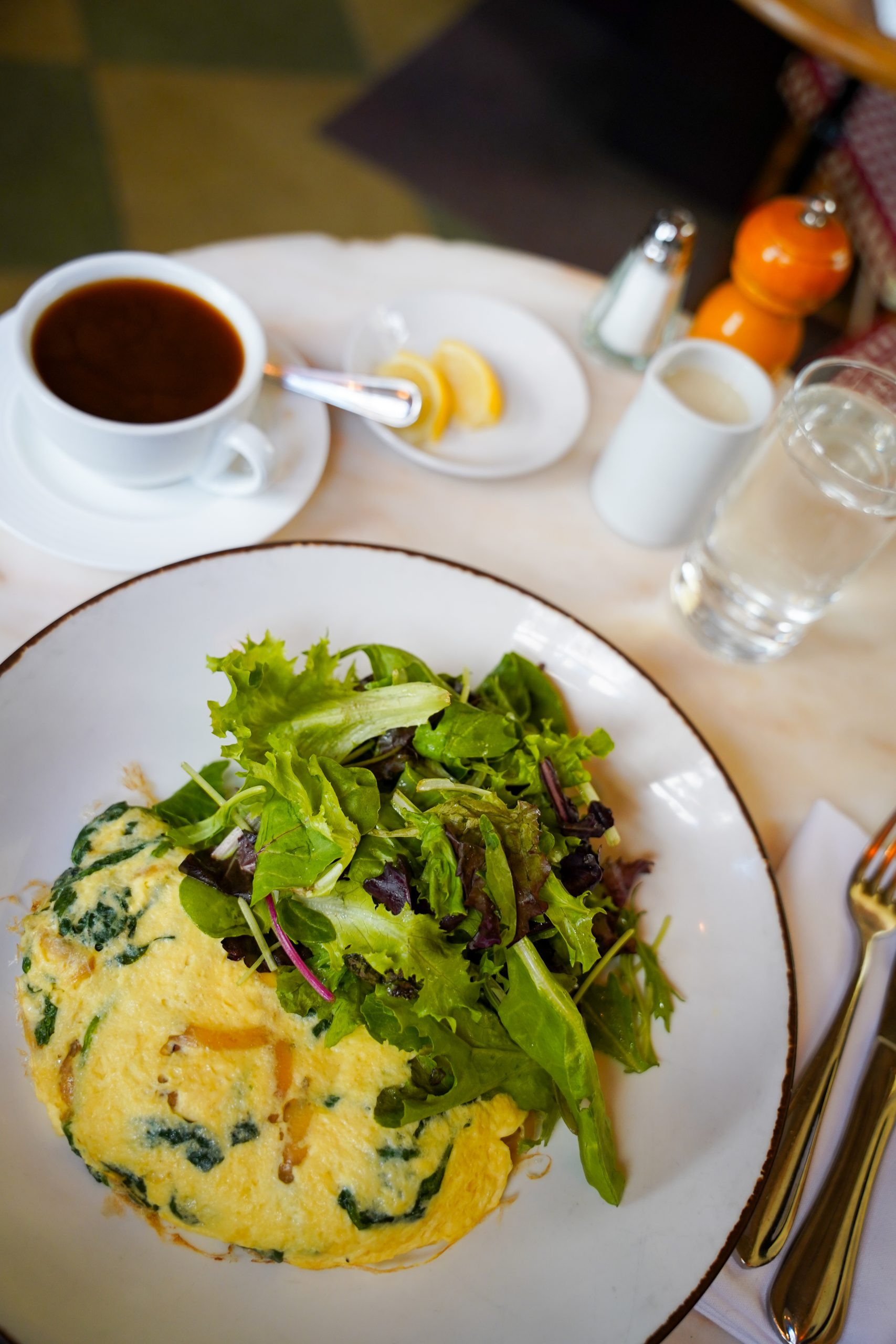
For brunch, I loved a fluffy spinach omelette with a bright mixed green salad and a strong cup of coffee, the kind of unhurried meal that makes a weekend feel like a weekend.
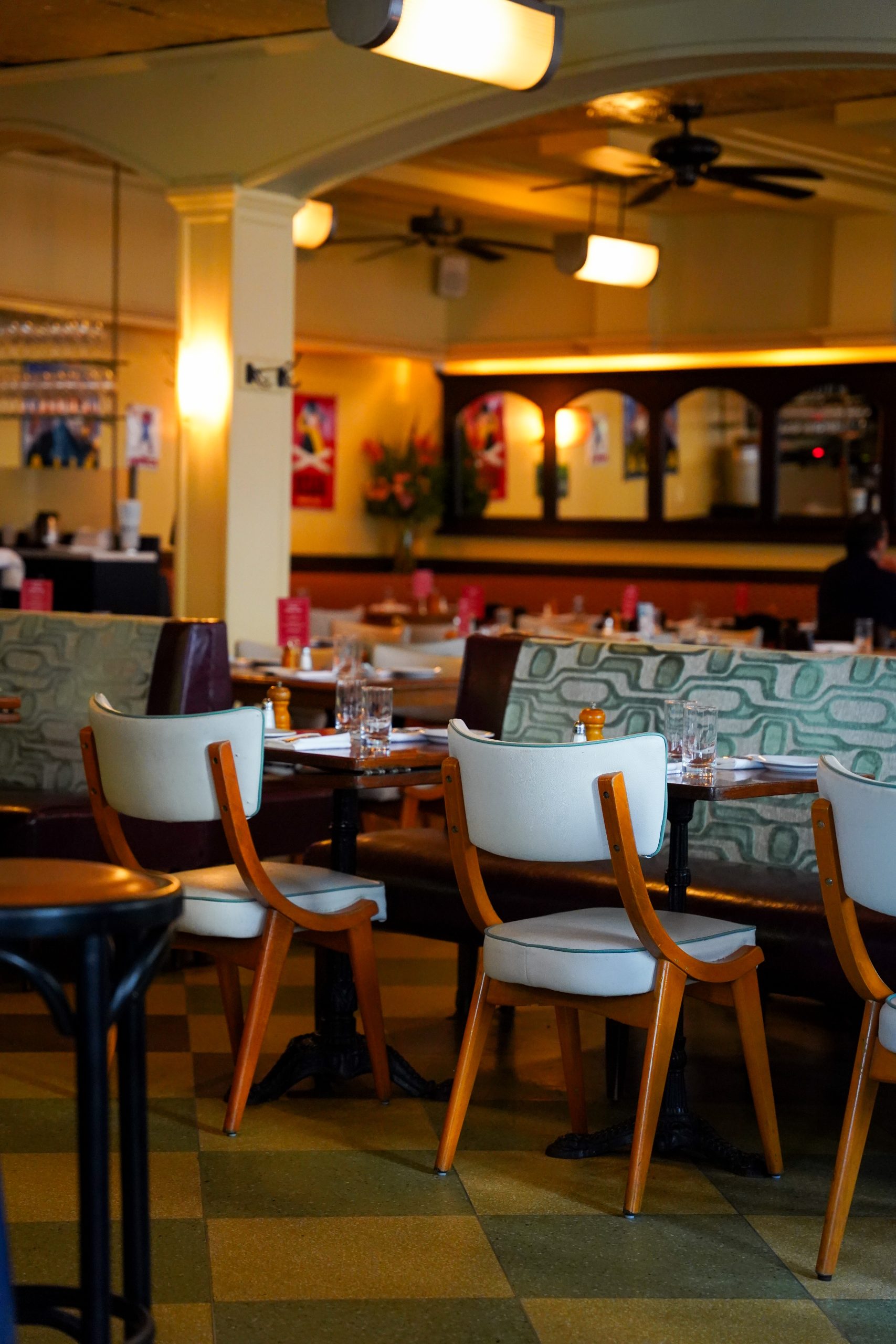
Wine lovers will appreciate the cellar, too. L’Express has held a Wine Spectator Award of Excellence since 1999 for its France-focused list of more than 300 selections.
Afternoon of Art: The Metropolitan Museum of Art
The Metropolitan Museum of Art is a short taxi ride up Fifth Avenue and a fitting Gilded Age pilgrimage. Its grand Beaux-Arts facade was designed by Richard Morris Hunt, the architect behind many of the era’s most opulent mansions, and completed in 1902. Much of the collection itself came from the fortunes of that age.
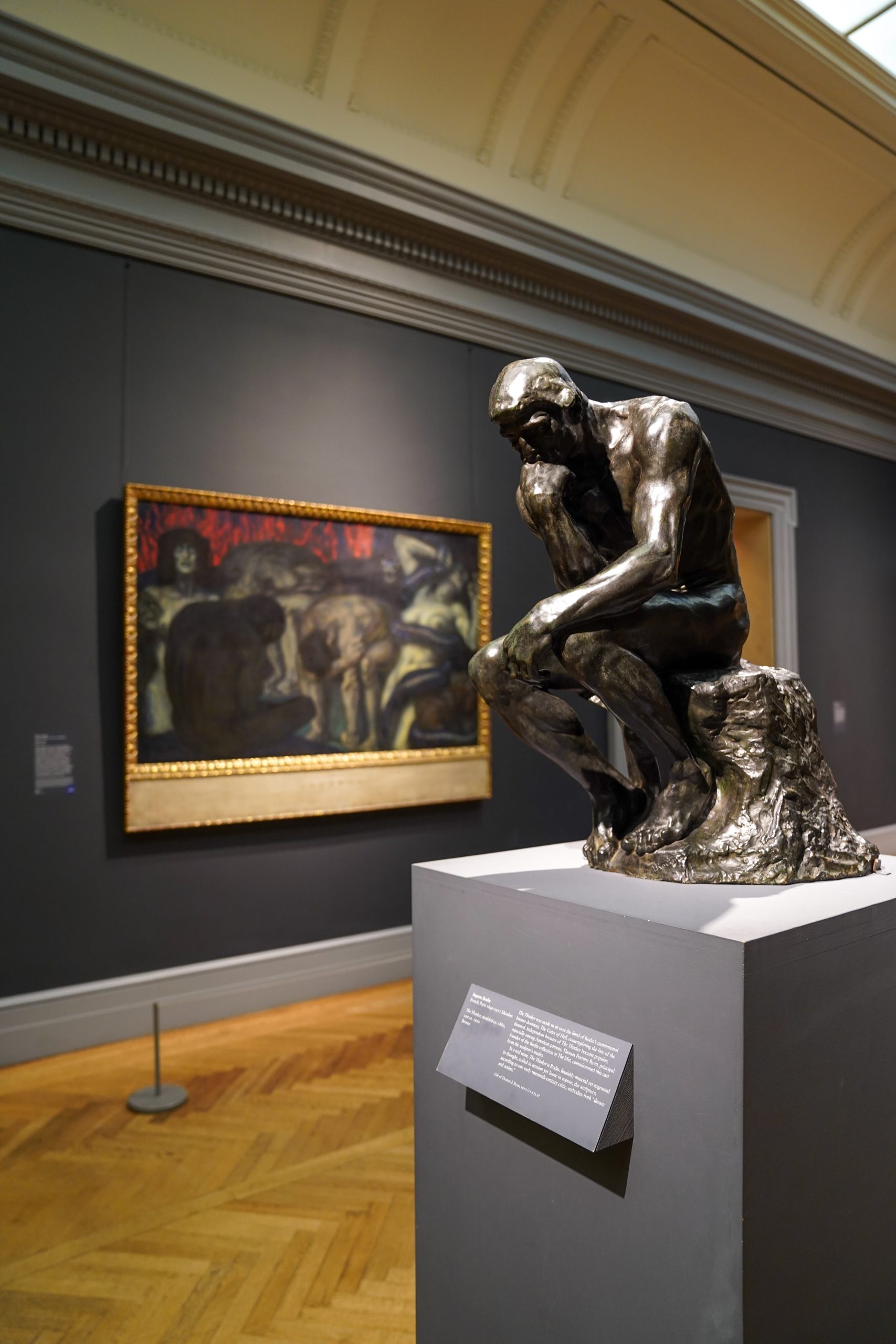
In the 19th-century European galleries, Auguste Rodin’s The Thinker sits in bronze against charcoal walls and herringbone floors. Modeled around 1880 for Rodin’s monumental Gates of Hell, this cast was commissioned by financier Thomas Fortune Ryan, a principal founder of The Met’s Rodin collection. Nearby, the museum’s Impressionist holdings include beloved works by Claude Monet, from shimmering water lilies to sunlit French landscapes.
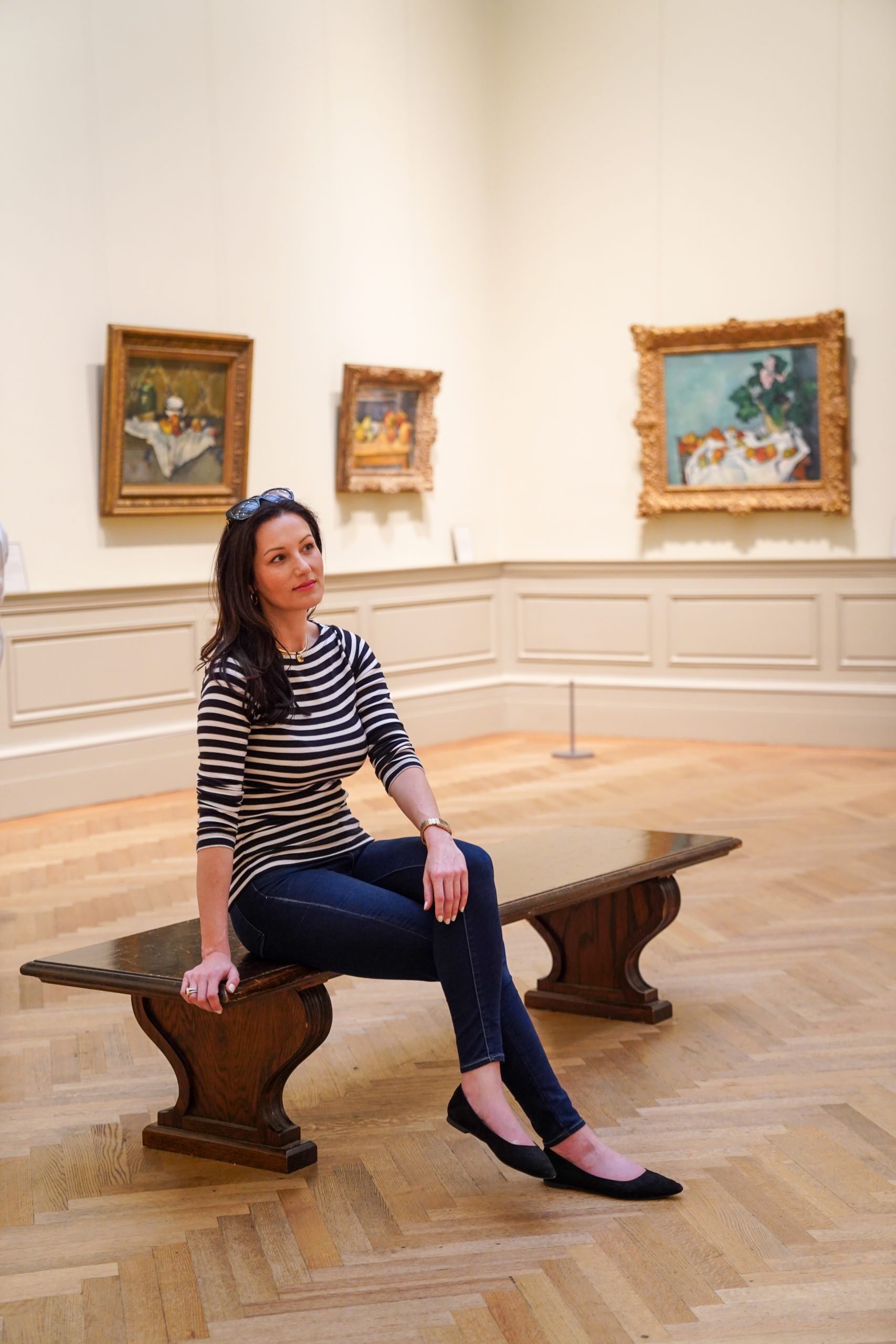
Over the next few months, you can explore current exhibits including: Krasner and Pollock: Past Continuous, Costume Art, Designing The Gilded Age: Drawings from the Studios of Louis C. Tiffany, Orientalism: Between Fact and Fantasy, and more.
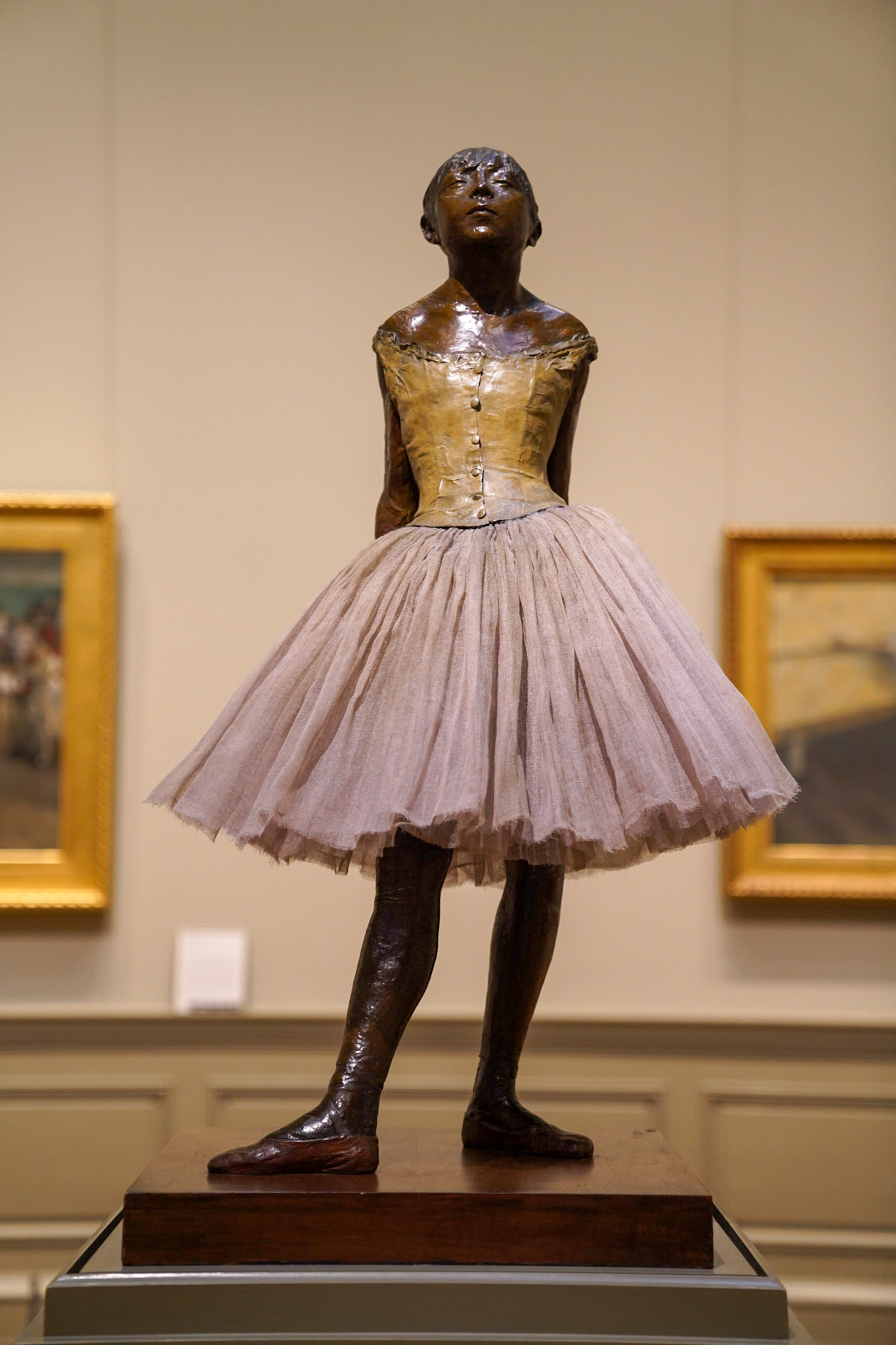
Plan for at least three hours, and consider a Friday or Saturday visit, when the museum stays open into the evening, and the galleries feel calmer.
Dinner: 1803 NYC in Tribeca
1803 NYC brings the spirit of New Orleans’ French Quarter to 82 Reade Street in Tribeca, about 15 minutes from Flatiron by taxi.
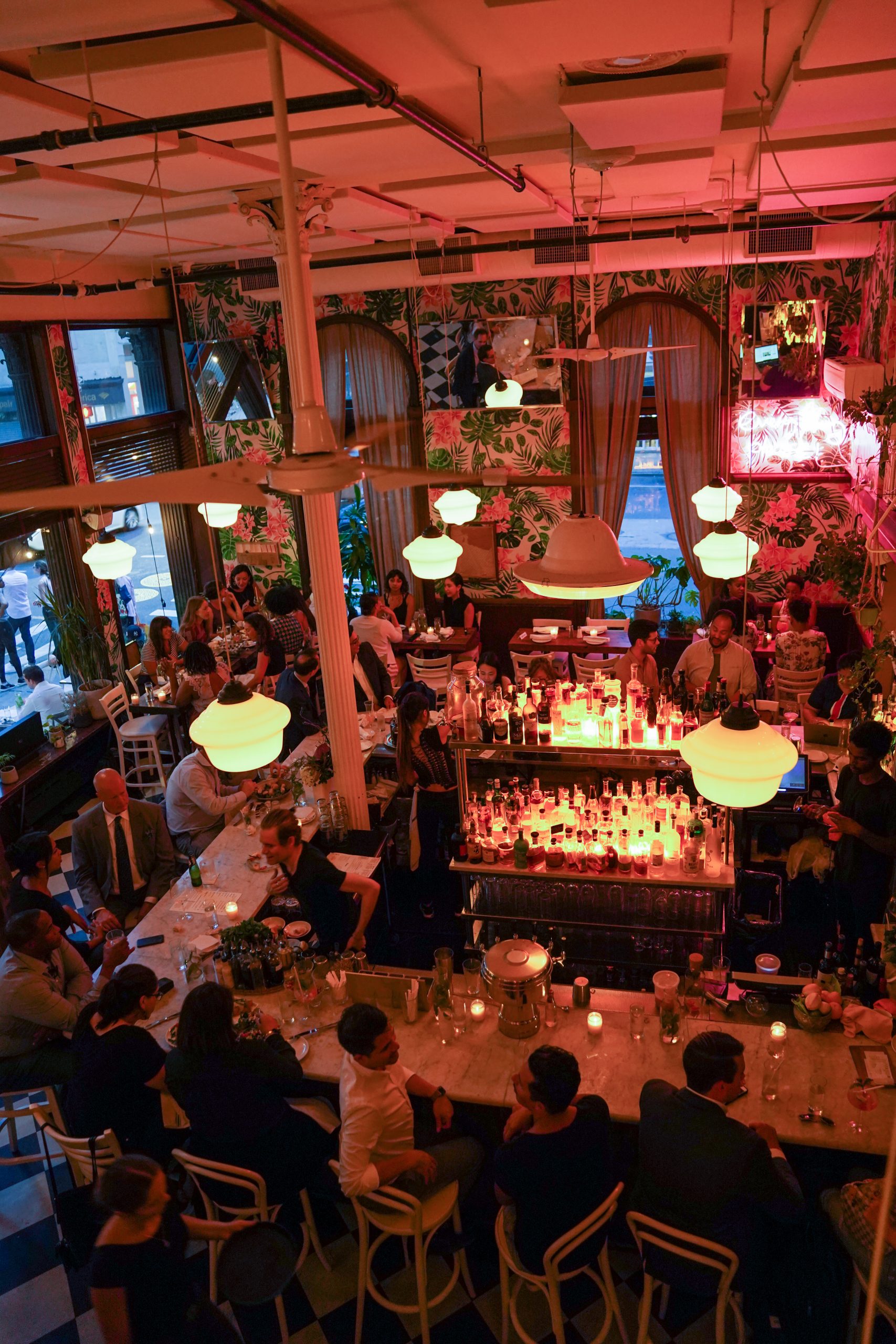
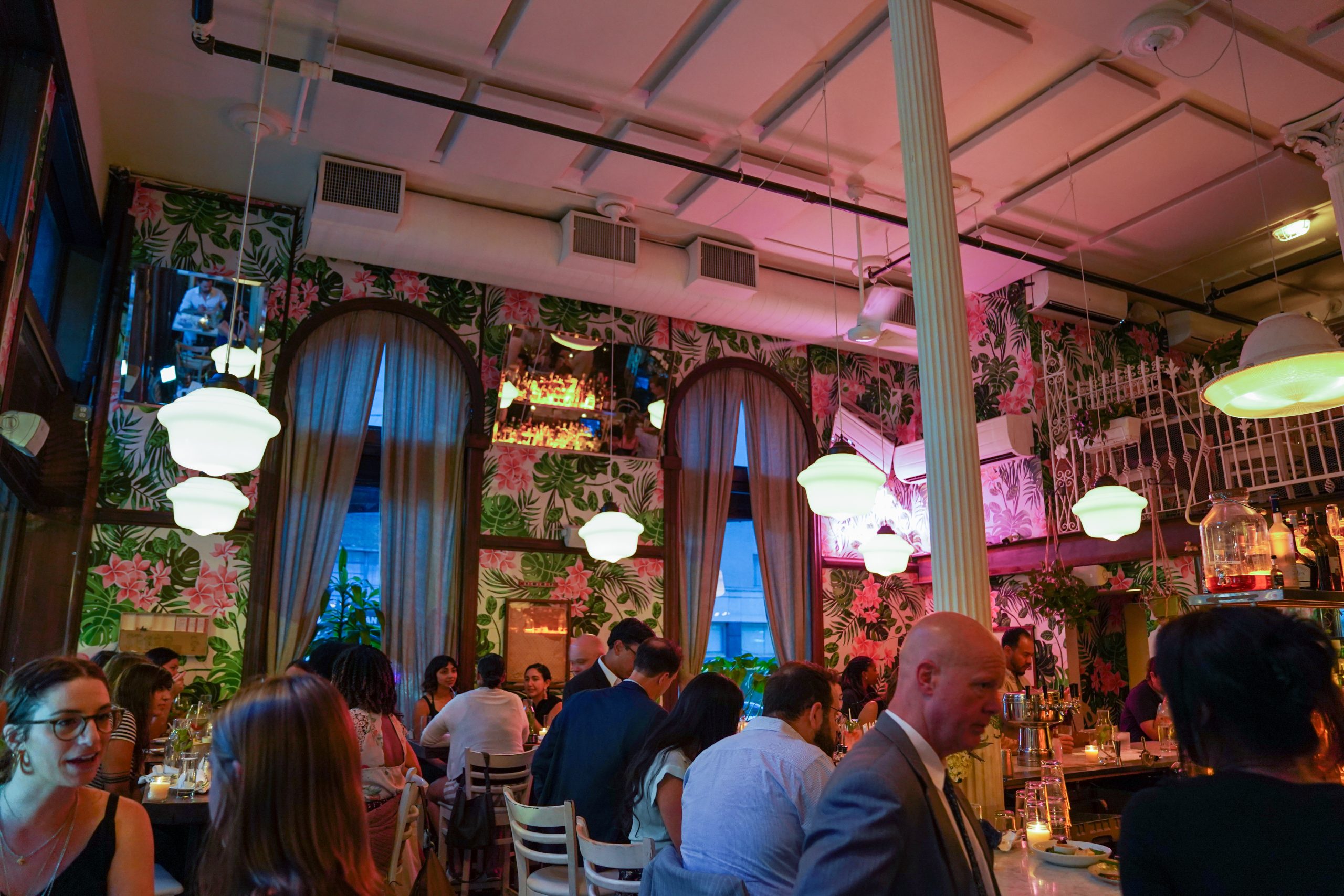
The room delivers Big Easy energy from the moment you walk in: tropical floral wallpaper in pink and green, milk-glass pendant lights, arched windows, and a marble bar glowing with bottles. A wrought-iron balcony overlooks the dining room, where live music plays nightly.
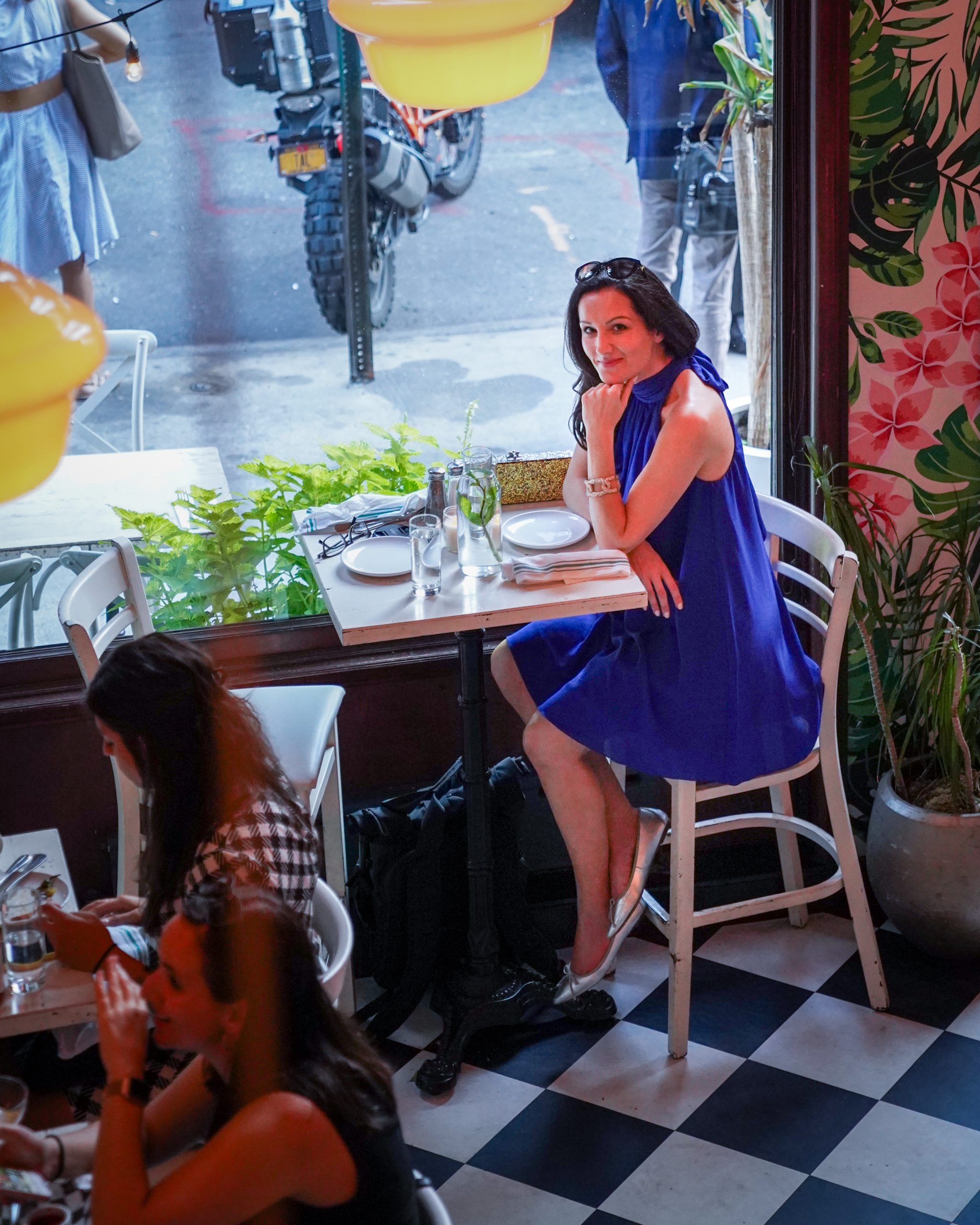
The connection to the theme is jazz itself, which took shape in New Orleans around the turn of the 20th century as the Gilded Age came to a close, making 1803 a spirited, retro finale to the weekend.
The Cajun and Creole menu leans into comfort, with gumbo, jambalaya, crab dip, oysters, and beignets to close the night. On select evenings, Bon Courage, the candlelit speakeasy downstairs, keeps the jazz going late. Book ahead on weekends, as the lively room fills quickly.
More Fine Dining Near the Hotel
For a celebratory dinner within steps of the EDITION, the neighborhood is a culinary epicenter. Chef Daniel Humm’s Eleven Madison Park, at 11 Madison Avenue, holds three Michelin stars and serves its multi-course tasting menu in an Art Deco dining room overlooking the park. A few blocks north, Atomix, from Junghyun and Ellia Park, holds two Michelin stars for its contemporary Korean tasting menu. Reservations at both open weeks in advance and go fast.
Plan Your Gilded Age Weekend in New York City
A weekend in Flatiron NoMad shows a side of New York City that rewards slowing down. Sleep inside a 1909 clock tower, start the morning with coffee beneath the plane trees of Madison Square Park, trace the Gilded Age through marble and terracotta, and spend the evening between Parisian brunch tables and New Orleans jazz. Everything sits close enough to explore on foot, leaving more time for the moments that make a luxury getaway memorable.
[Disclosure: Travel and accommodations hosted by JLR. Image credits: Christina-Lauren Pollack for Inspirations & Celebrations. All opinions are my own.]